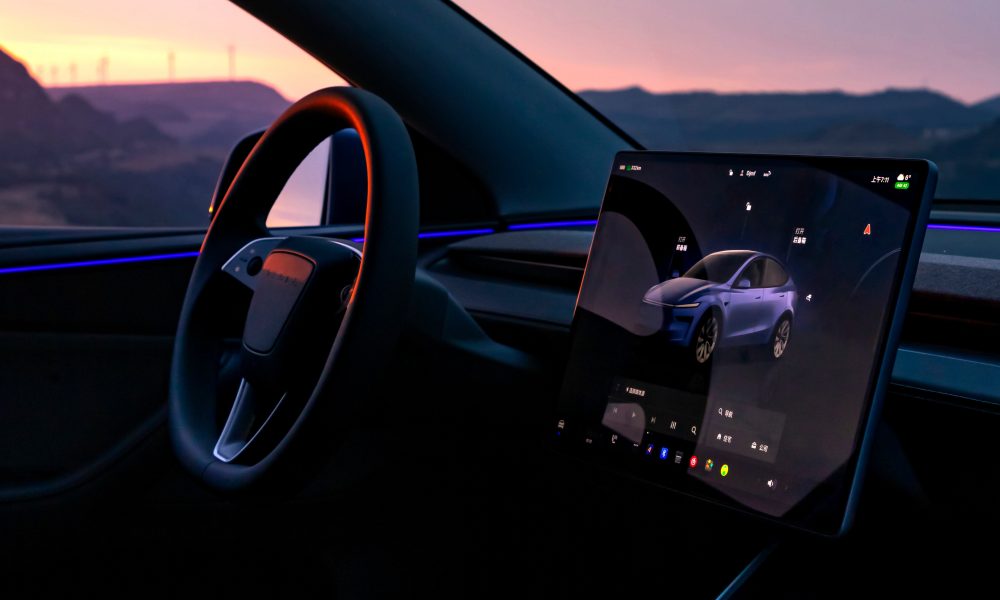
In the traditional automotive world, a car's peak potential is locked in the moment it rolls off the assembly line, its value beginning an inexorable decline. Tesla has shattered this century-old paradigm. Through its industry-defining Over-the-Air (OTA) software updates, a Tesla can gain new features, enhanced performance, and improved safety years after purchase, fundamentally altering its depreciation curve and reshaping the very DNA of the used car market.
The Appreciating Asset: How OTA Updates Defy Depreciation
Unlike any other manufacturer, Tesla treats its vehicles as updatable platforms. A 2018 Model 3 purchased today is not the same car it was six years ago; it has likely received dozens of free updates adding everything from video streaming services and video games to improved braking performance and advanced driver-assist features. This continuous enhancement creates a unique value proposition for second-hand buyers. They are not just purchasing a used car; they are buying into a platform that has a documented history of meaningful improvement. This phenomenon helps certain Tesla models, particularly those with the Full Self-Driving (FSD) capability package, retain a significantly higher percentage of their original value compared to internal combustion engine vehicles and even some rival EVs.
Navigating the New Valuation Landscape
This new dynamic creates both opportunity and complexity for buyers and sellers. Key factors now critically influence a used Tesla's price. The vehicle's software configuration is paramount: Does it include the premium Enhanced Autopilot or FSD package? Has the original owner transferred these features? Furthermore, the car's hardware generation (e.g., HW3.0 for FSD) dictates its update eligibility for future major upgrades. Sellers must clearly articulate this software spec, as it can add thousands to the vehicle's value. Buyers, meanwhile, must become savvy in verifying these digital assets through the car's touchscreen before purchase, understanding that a Tesla's true worth is a blend of its physical mileage and its digital capability.
The implications of this software-centric model extend far beyond individual transactions. It pressures legacy automakers to accelerate their own OTA strategies to remain competitive in resale markets. For Tesla, it fosters unprecedented brand loyalty and creates a powerful ecosystem lock-in, as owners see tangible, long-term returns on their initial investment. The company's direct sales model further reinforces this, allowing it to maintain a closer relationship with the vehicle—and by extension, its subsequent owners—throughout its entire lifecycle.
For Tesla owners, this means your vehicle is a more resilient financial asset. Keeping the car updated and maintaining its software subscriptions directly supports its resale value. For investors, it underscores the profound competitive moat created by Tesla's integrated software and hardware approach. This strategy generates high-margin revenue streams long after the initial sale and builds a sustainable, loyal customer base that views their car as a connected device that improves with age. As the automotive industry continues its electric and digital transformation, Tesla's mastery of the OTA update has not just changed how we drive—it has irrevocably changed what a car is worth.