Tesla is turning what could have been a logistical headache into a seamless digital fix. The automaker has announced it will remedy a recall affecting nearly 219,000 vehicles in the United States through a simple over-the-air software update, meaning owners will not need to schedule a service appointment or visit a physical repair center. The recall, formally filed with the National Highway Traffic Safety Administration (NHTSA), addresses a software glitch that could delay the display of the rearview camera feed, a critical safety feature required by federal regulations.
The Scope of the Recall and the Underlying Issue
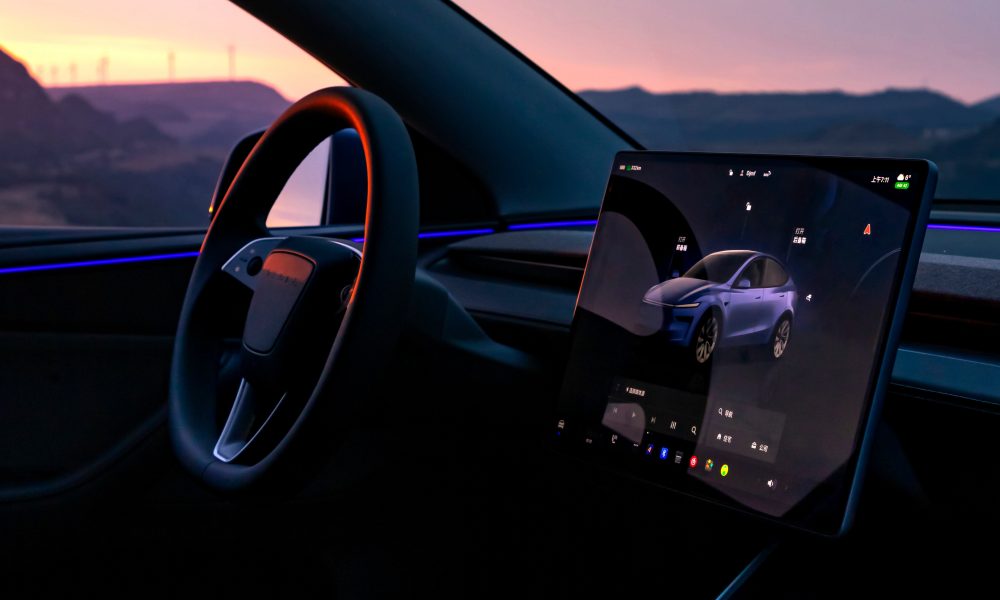
The recall specifically covers 218,868 vehicles, encompassing a wide swath of Tesla’s lineup, including the popular Model 3 and Model Y, as well as the premium Model S and Model X. According to regulators, the software glitch can cause the rearview camera image to appear on the touchscreen after a brief delay, potentially violating the Federal Motor Vehicle Safety Standard for rear visibility. While Tesla has not reported any crashes or injuries linked to the issue, the company proactively moved to address the deficiency after identifying it during an internal audit. This marks another instance where the EV giant leverages its advanced software capabilities to rectify hardware-adjacent problems without the traditional, costly recall process.
Why This Matters for Tesla Owners and the EV Industry
This recall highlights a fundamental shift in how automotive defects are managed. For the 219,000 owners affected, the fix is as simple as ensuring their vehicle is connected to Wi-Fi and accepting the pending update. Tesla’s over-the-air (OTA) update system, a cornerstone of its software-defined vehicle approach, allows the company to push patches to vehicles remotely, often without the owner even being aware of the change. This contrasts sharply with legacy automakers, who frequently require physical parts replacements or dealer visits. The move reinforces Tesla’s position as a technology-first automaker, where software is the primary differentiator. It also sets a benchmark for the broader EV industry, proving that recalls can be instantaneous, efficient, and minimally disruptive to the customer experience.
Implications for Tesla Owners and Investors
For current Tesla owners, this recall is a non-event in terms of inconvenience. The primary takeaway is to ensure your vehicle remains connected to a stable Wi-Fi network to receive the update promptly. For investors, the incident underscores a dual-edged reality. On one hand, Tesla’s ability to fix thousands of cars with a single keystroke demonstrates operational efficiency and strengthens brand loyalty by avoiding service center queues. On the other hand, it raises questions about the frequency of software-related defects in a rapidly evolving platform. However, the long-term outlook remains bullish: as Tesla continues to refine its OTA capabilities, it reduces liability and warranty costs, ultimately protecting margins. This recall is a clear signal that Tesla’s software-first architecture is not just a gimmick, but a core competitive advantage that is redefining vehicle safety and maintenance in the electric vehicle era.