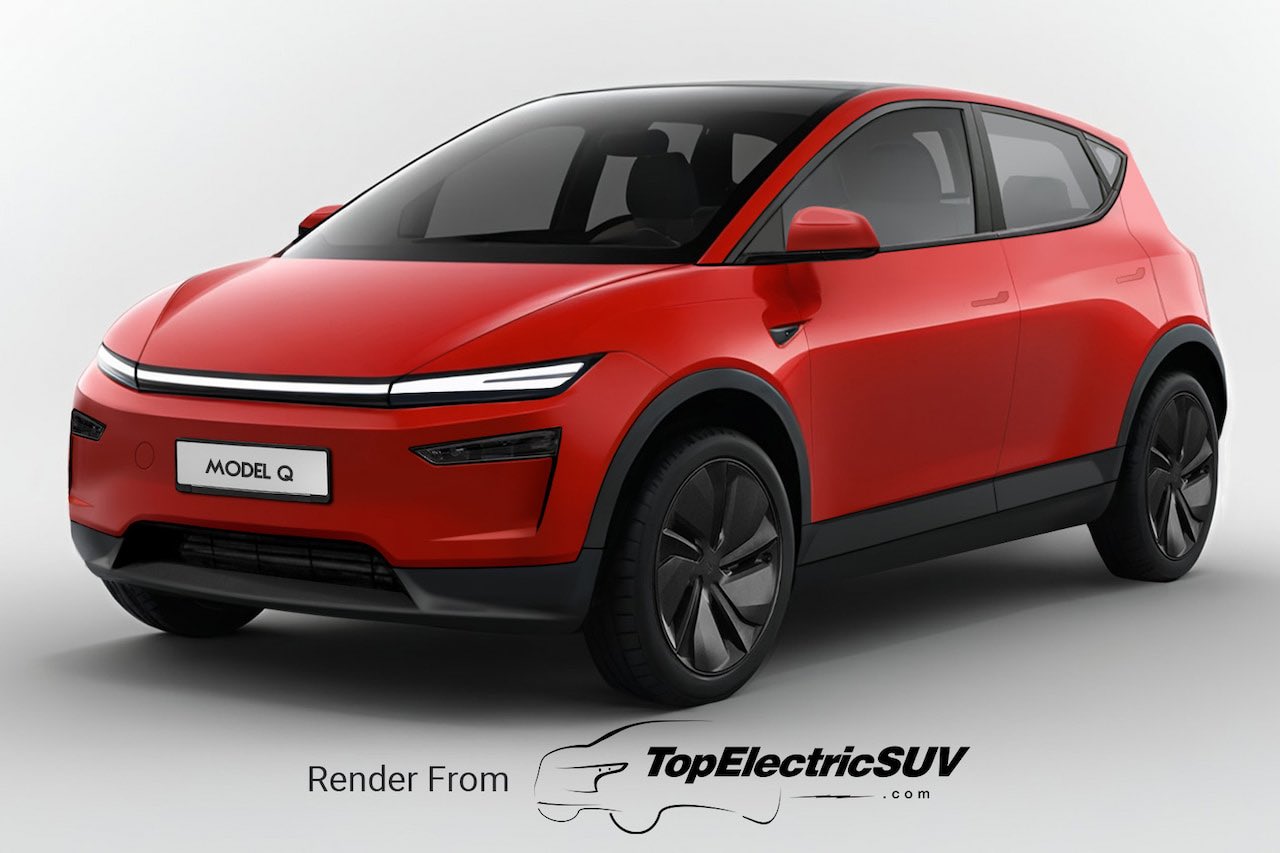
While the world's eyes are fixed on the promise of a robotaxi, Tesla's most critical maneuver is taking shape much closer to the ground. Codenamed "NV9," the automaker's next-generation vehicle project is far more than a simple compact car; it is being positioned as a strategic bulwark against the accelerating dominance of Chinese EV manufacturers. This isn't just a battle for market share—it's a fight for the future of the global electric vehicle landscape, and Tesla is preparing its most important counter-offensive yet.
The NV9 Mandate: Affordability as a Strategic Weapon
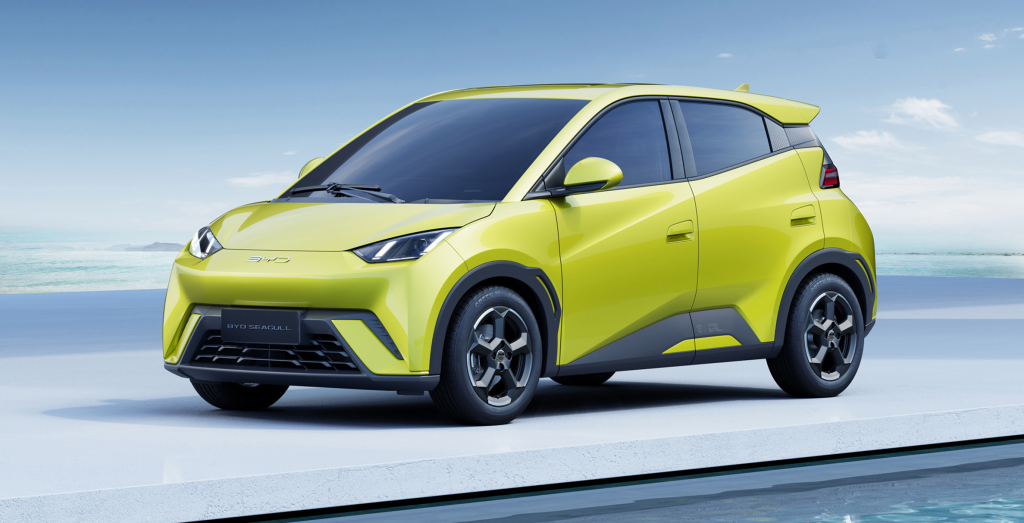
The core mission of Project NV9 is to create a high-volume, truly affordable electric vehicle. Industry analysts suggest Tesla is targeting a price point below $25,000, a segment currently underserved in Western markets but where Chinese brands like BYD excel. Tesla aims to leverage its upcoming "unboxed" manufacturing process, a revolutionary assembly technique that reduces parts, complexity, and—critically—cost. This isn't merely about expanding Tesla's lineup; it's about creating a defensive product that can directly compete with the flood of competitively priced EVs from China and Europe, preventing rivals from establishing an unassailable lead in the entry-level market.
The Chinese Challenge: A Market Under Siege
The urgency behind NV9 is underscored by the staggering rise of China's auto industry. In the final quarter of 2023, BYD surpassed Tesla in global pure-EV sales, a symbolic shift that highlighted the scale of the competition. Chinese manufacturers have mastered the art of producing compelling, tech-forward EVs at costs that legacy automakers struggle to match. With these brands now expanding aggressively into Europe, Southeast Asia, and other key regions, Tesla faces a dual threat: pressure in its home market and intensified competition abroad. The NV9 project is Tesla's calculated response to this geopolitical and economic reality on the road.
For Tesla, success with NV9 hinges on achieving a profitability equation that has eluded most Western automakers in the low-margin, high-volume segment. The company's bet is that its vertical integration, from batteries to software, and its radical new manufacturing philosophy will provide the necessary edge. If executed correctly, NV9 could do more than defend territory; it could redefine mass-market expectations for range, technology, and ownership experience, forcing the entire industry to adapt to a new standard set by Tesla once again.
Implications for Owners and the Investment Thesis
For current and prospective Tesla owners, NV9 represents the democratization of the brand's technology and the potential for a vastly expanded Supercharger network as volumes grow. For investors, the project is a pivotal test of Tesla's innovation scalability and its ability to transition from a premium player to a true mass-market automotive powerhouse. The financial stakes are enormous. Success would unlock a new wave of growth and solidify Tesla's moat, while failure could cede the most populous segment of the global auto market to foreign competitors for a generation. As the Robotaxi vision captures imaginations, NV9 is the gritty, ground-level project that may well determine Tesla's resilience and relevance in the coming decade.