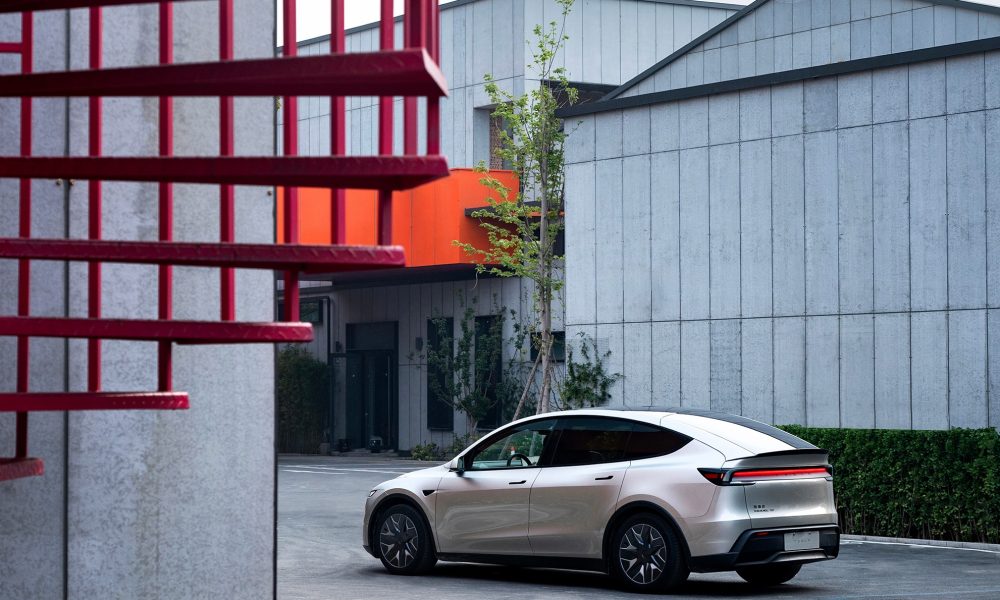
For American families seeking a three-row electric SUV without the bulk and price tag of a Model X, the wait continues. While Tesla's long-wheelbase Model Y, often dubbed the Model Y "L" or "Long," has become a coveted option in key markets like China and Europe, its arrival on U.S. shores remains conspicuously absent. The model's latest expansion into new regions only amplifies the question for North American customers: when, or if, this most practical Tesla will finally come home.
The Anatomy of a Family-Focused EV
The allure of this specific Model Y variant lies in its thoughtful, passenger-first engineering. Unlike the standard global model, the long-wheelbase version undergoes a significant transformation. It stretches the wheelbase by 150 mm and the overall length by 177 mm to 4,976 mm. This isn't a minor tweak; it's a complete reimagining of the interior package. The extended platform allows engineers to implement a genuine 2-2-2 seating layout for six adults. Each passenger gets proper legroom, moving the experience far beyond the cramped, compromise-laden third rows often found in midsize SUVs. Combined with increased cargo utility, it transforms the Model Y from a compact crossover into a true, electric family hauler.
A Strategic Global Rollout, Minus North America
Since its debut, this elongated Model Y has followed a distinct strategic path, targeting markets where larger families or ride-hailing services prioritize passenger space. It found immediate success in China and has been steadily rolling out across Europe and other regions. Each new market announcement is met with renewed speculation from U.S. and Canadian Tesla enthusiasts. However, Tesla's silence regarding a North American release is deafening. Industry analysts suggest the decision may hinge on manufacturing capacity, a desire to segment it from the Model X, or a calculated bet that the standard five-seat Y and the larger Cybertruck cover the market's needs sufficiently for now.
The continued exclusion of the U.S. market, Tesla's largest and home base, is a fascinating commercial puzzle. It leaves a clear product gap in Tesla's lineup between the five-seat Model Y and the far more expensive Model X. Competitors are beginning to eye this very space, with several automakers preparing three-row electric SUVs in the midsize segment. Every quarter that passes without the long Model Y in North America represents a potential missed opportunity in a highly competitive and evolving EV landscape.
For Tesla owners and investors, the situation is a mix of frustration and strategic curiosity. Prospective buyers who need the space must choose between upgrading to a much costlier Model X, waiting indefinitely, or looking at non-Tesla alternatives—a scenario Tesla typically aims to avoid. Investors watch to see if this regional product strategy will pay off by dominating specific markets abroad, or if it will eventually be viewed as a misstep in failing to address a core segment of the home market. The long-wheelbase Model Y's journey underscores Tesla's often unpredictable global prioritization, where consumer demand doesn't always immediately align with corporate rollout plans.


