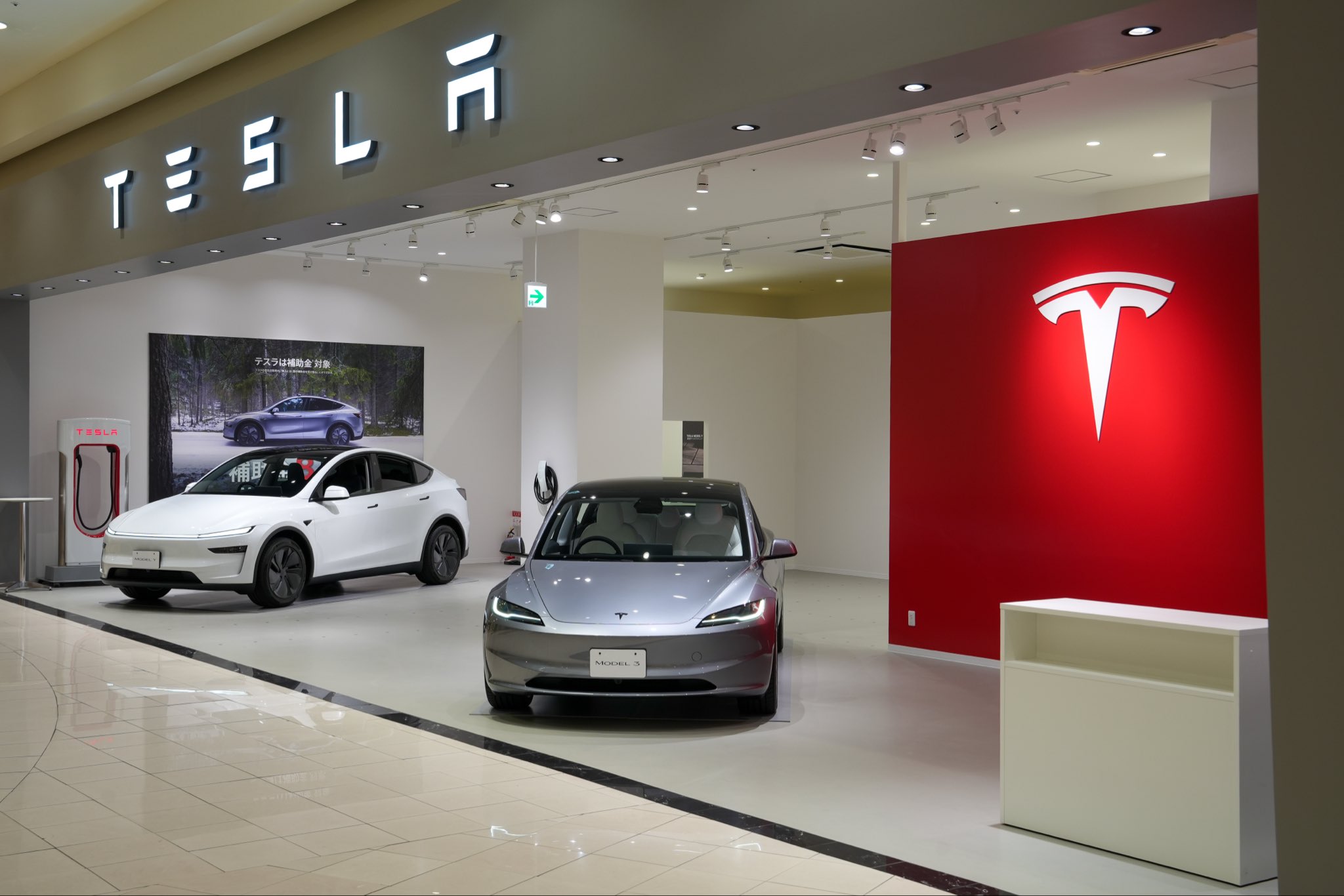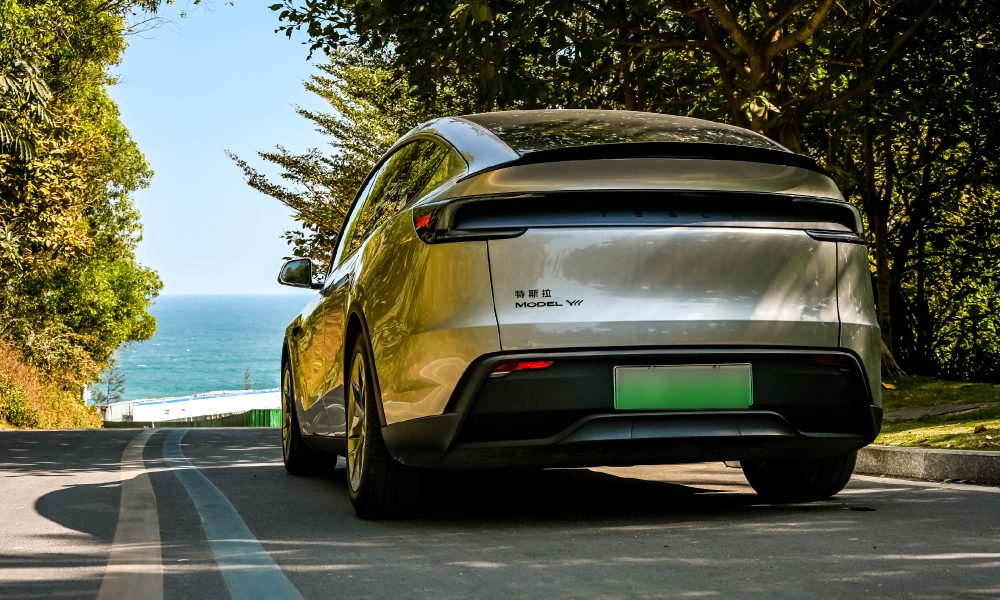
In a milestone that underscores its transformative impact on the automotive industry, Tesla has officially surpassed 9 million vehicles in its global fleet. The announcement, made via Tesla China's social media channels, arrives as the company navigates an intensely competitive landscape, proving that demand for its electric vehicles remains robust on a planetary scale. This figure represents not just cumulative sales, but a rapidly expanding network of mobile batteries and data points that is fundamental to Tesla's long-term autonomy and energy ambitions.
A Milestone Forged in the World's Toughest Arena
The decision by Tesla China to announce this achievement is strategically significant. China is the largest and most fiercely contested EV market globally, with domestic brands like BYD launching relentless assaults on Tesla's market share. By highlighting this global fleet milestone from within this battleground, Tesla sends a powerful message about its enduring brand strength and manufacturing prowess. The company's Shanghai Gigafactory, a key export hub, has been instrumental in reaching this number, demonstrating the success of Tesla's localized production strategy.
Beyond Sales: The Data and Ecosystem Advantage
Reaching 9 million vehicles is about far more than manufacturing volume. Each Tesla on the road is a connected data-generating asset, providing invaluable real-world information for training its Full Self-Driving (FSD) system. This fleet is the cornerstone of Tesla's controversial but potentially industry-shattering robotaxi plans. Furthermore, these millions of vehicles represent a distributed energy resource; through technologies like bidirectional charging potential and virtual power plant programs, Tesla's fleet could one day play a critical role in grid stability, turning parked cars into a massive collective battery.
The pace of this growth is staggering. Tesla celebrated its 5 millionth vehicle just over a year and a half ago, in September 2022. To add another 4 million vehicles in such a short timeframe—despite economic headwinds and increased competition—highlights the scalability of its production and the underlying demand. This acceleration is a direct result of the operational efficiency of its Gigafactories in Berlin, Texas, and Shanghai, which have steadily increased output even as the company prepares for its next-generation platform and more affordable models.
Implications for Owners and Investors
For current and prospective Tesla owners, a larger fleet translates directly into a more valuable ecosystem. It means more robust Supercharger network expansion, faster software innovation driven by more data, and stronger residual values as Tesla solidifies its position as the definitive electric vehicle brand. For investors, the 9-million mark is a key indicator of operational scale and market penetration that competitors will struggle to match for years. However, the challenge ahead is clear: maintaining this growth rate and profitability in the face of a price war, especially in China, while successfully launching new products like the Cybertruck and a next-gen affordable model. The milestone is a testament to a vision that redefined the auto industry, but the race for the next 9 million has already begun.