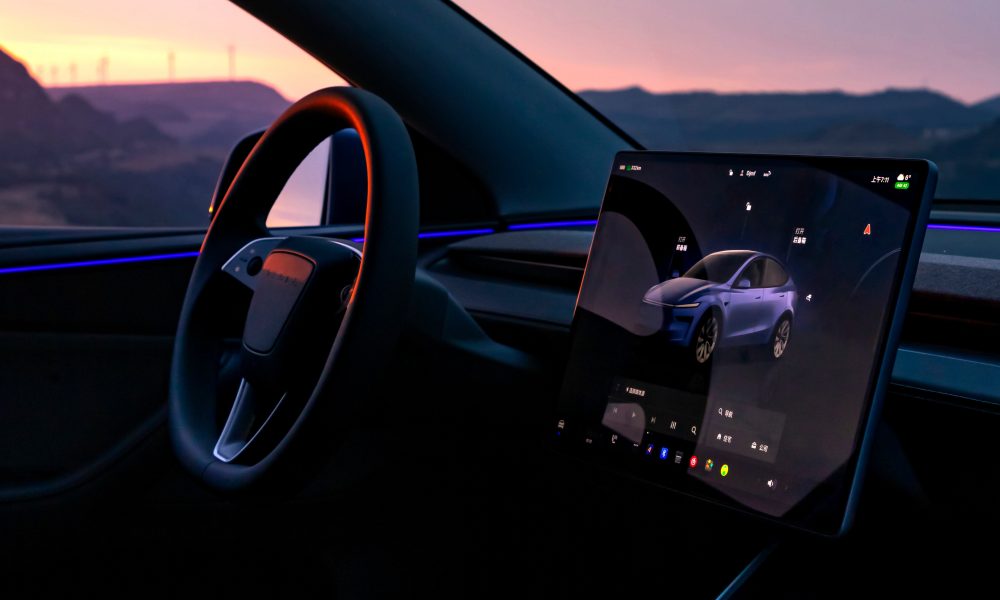
A new legal challenge has emerged for Tesla, this time targeting a core feature of its modern driving experience: the voice assistant. Songbird Tech, a relatively unknown entity in the automotive and social media spheres, has filed a pair of patent infringement lawsuits against both Tesla and X, the social media platform owned by Elon Musk. The suits allege that the companies' voice-assistance integrations violate Songbird's intellectual property, potentially putting a spotlight on the complex, often-overlooked patent landscape underpinning in-car AI and connectivity.
The Core of the Legal Dispute
According to court documents, Songbird Tech accuses Tesla and X of infringing on its U.S. patent titled "Audio Message Driven Customer Interaction." The specifics of the alleged infringement remain detailed within the legal filings, but the core issue revolves around how voice commands are processed to facilitate interactions between users and services. For Tesla, this could implicate the functionality of its proprietary voice command system, which allows drivers to control navigation, media, and vehicle settings hands-free. For X, the suit may relate to voice-driven features or integrations within its platform. The dual lawsuits suggest Songbird's patent covers a broad method of using audio messages to trigger and manage digital customer interactions, a technology now ubiquitous in smart devices and vehicles.
Context and Precedent in Tech Patent Battles
Patent infringement lawsuits, particularly from non-practicing entities (often called "patent trolls"), are a recurring hazard for major technology firms. Tesla is no stranger to such litigation, having faced numerous suits over everything from battery technology to Autopilot features. What makes this case notable is its direct link to the user interface and the voice-activated ecosystem—a critical component of Tesla's minimalist, screen-focused cabin design. The outcome could hinge on the breadth and validity of Songbird's patent claims and whether Tesla's implementation is deemed a unique innovation or an infringement of a pre-existing method. The inclusion of X in the suit adds a layer of complexity, potentially pointing to integrated functionalities between the car and the social media platform.
The implications for Tesla and its stakeholders are multifaceted. A prolonged legal battle could result in significant financial costs, either through a potential settlement or damages awarded. More critically, an unfavorable ruling could force Tesla to alter or license the voice command technology in its vehicles, possibly leading to a degraded user experience or increased software development costs. For Tesla owners, the immediate impact is likely negligible, but future software updates could be influenced by the litigation's trajectory. Investors should monitor the case for any material financial disclosures, though the greater risk lies in the precedent it might set for other patent holders to challenge core software features that define the modern EV experience.