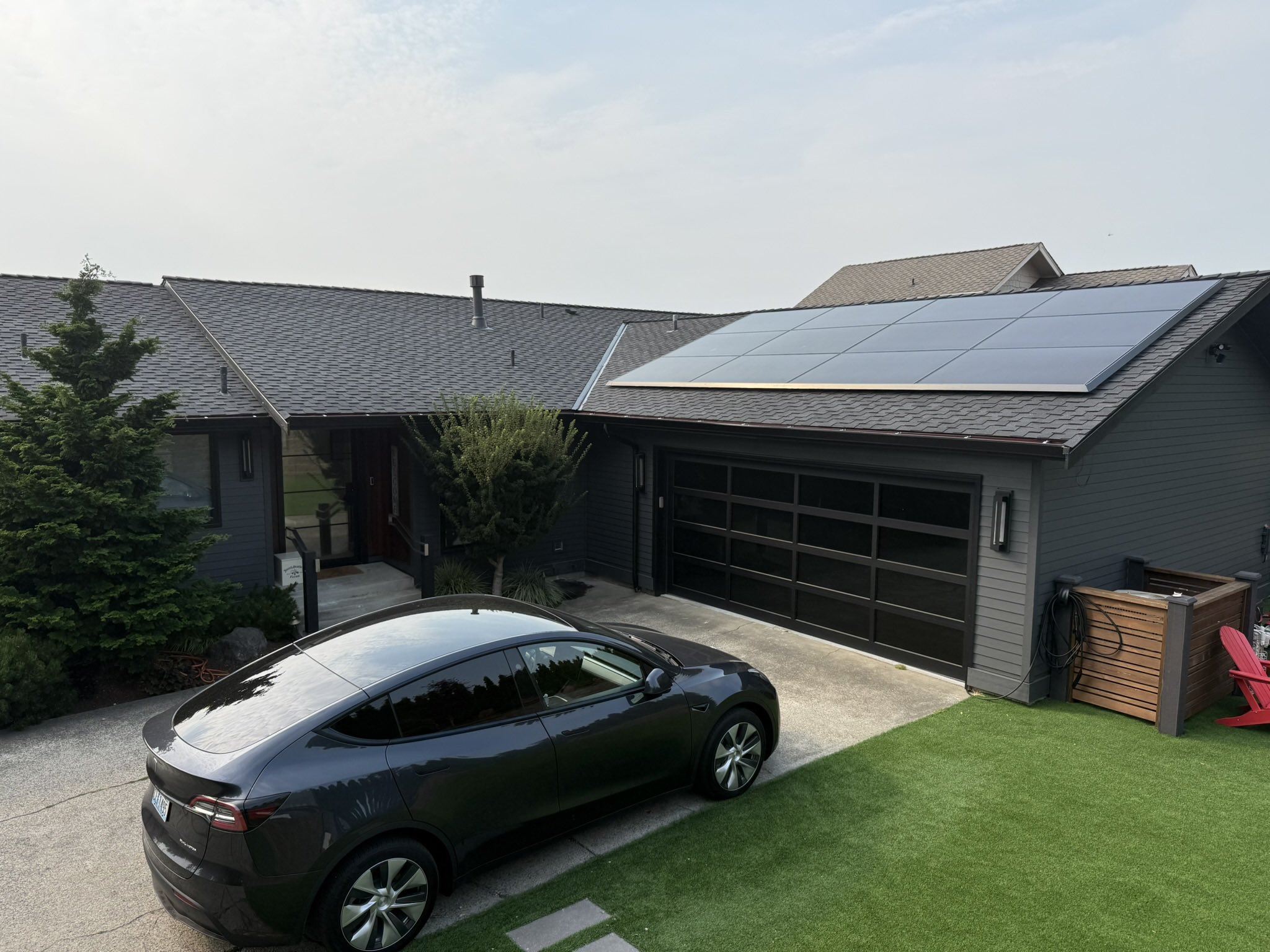
While Tesla's electric vehicles continue to dominate headlines, a quieter revolution is unfolding behind the scenes, one that is rapidly becoming the company's most dynamic growth engine. New financial data reveals that Tesla's energy storage division is expanding at a staggering pace, significantly outpacing the growth rate of its automotive sector. This surge is not a fluke but a strategic shift, positioning Tesla as a dominant force in the global transition to sustainable energy infrastructure.
The Megapack Effect: Powering Utility-Scale Growth
The primary driver of this explosive growth is the Megapack, Tesla's utility-scale battery product. Designed for massive grid-level storage, the Megapack is the cornerstone of the world's largest battery projects. Demand has skyrocketed as governments and utility companies race to stabilize grids inundated with intermittent renewable energy from solar and wind. Tesla's Q1 2024 results were telling: energy storage deployments soared to a record 4.1 GWh, a figure that underscores the scale of this business. The company's Giga factory in Lathrop, California, is ramping production to meet a backlog that extends well into 2025, signaling that this is a sustained trend, not a temporary spike.
From Powerwall to Megablock: A Complete Ecosystem
Tesla's strategy extends beyond the utility market into a comprehensive ecosystem. The residential Powerwall remains a key product, integrating seamlessly with solar roofs to create self-powered homes. However, the introduction of the Megablock represents a crucial middle-market innovation. This larger, containerized system is tailored for commercial and industrial (C&I) customers, data centers, and smaller municipalities, filling the gap between the Powerwall and the massive Megapack. This three-tiered product lineup allows Tesla to address virtually every segment of the energy storage market, from a single home to a national grid.
The context for this boom is a global energy landscape in flux. The push for decarbonization, coupled with rising energy security concerns, has made battery storage a critical infrastructure priority. Tesla's first-mover advantage, vertically integrated manufacturing, and proven software for energy management give it a formidable competitive edge. While other companies are entering the space, Tesla's ability to deliver at scale and its brand recognition in battery technology have created a powerful moat.
For Tesla investors, the implications are profound. The energy business is transforming from a promising side project into a core pillar of the company's valuation, offering higher margins and more predictable, recurring revenue streams than the cyclical auto industry. For Tesla owners and advocates, this growth reinforces the company's broader mission. It demonstrates that Tesla is not just a car company but an integrated sustainable energy company, where every Megapack deployed accelerates the world's transition away from fossil fuels, making the electric grid itself more resilient and clean.