The dream of true energy independence is accelerating, moving from a distant ideal to a near-term financial imperative. For Tesla owners, the synergy between a sleek electric vehicle and a personalized power ecosystem has never been more compelling. Industry analysts and energy innovators are now pointing to 2026 as a critical inflection point, a narrow window where market forces, technology maturity, and policy shifts converge to make pairing your Tesla with a solar and battery system not just an eco-conscious choice, but a strategically vital investment.
The 2026 Convergence: Policy, Economics, and Grid Reality
Several powerful trends are aligning to create this pivotal moment. First, the regulatory landscape for solar energy is in flux in many regions, with favorable net metering policies—which credit solar owners for excess power sent to the grid—being phased out or redesigned. Installing a system before these changes fully take effect locks in better financial returns for years. Secondly, the continued, though slowing, reduction in solar panel and battery storage costs means systems are more affordable than ever, yet prices are expected to stabilize. Most critically, aging electrical grids are struggling with increased demand from EVs and extreme weather, leading to more frequent outages and time-of-use rates that punish peak consumption. By 2026, the economic penalty for relying solely on the grid will be starkly clear.
From Roof to Road: The 360-Degree Tesla Ecosystem
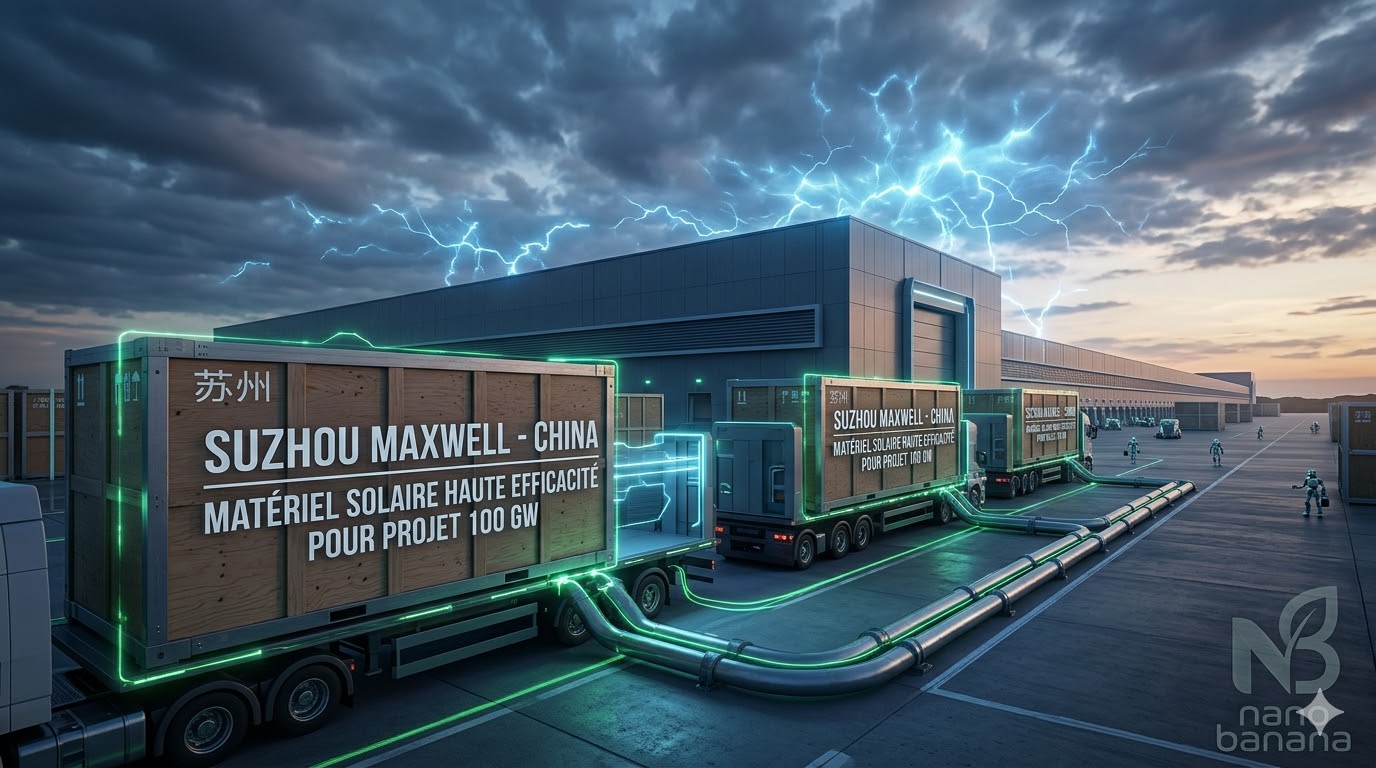
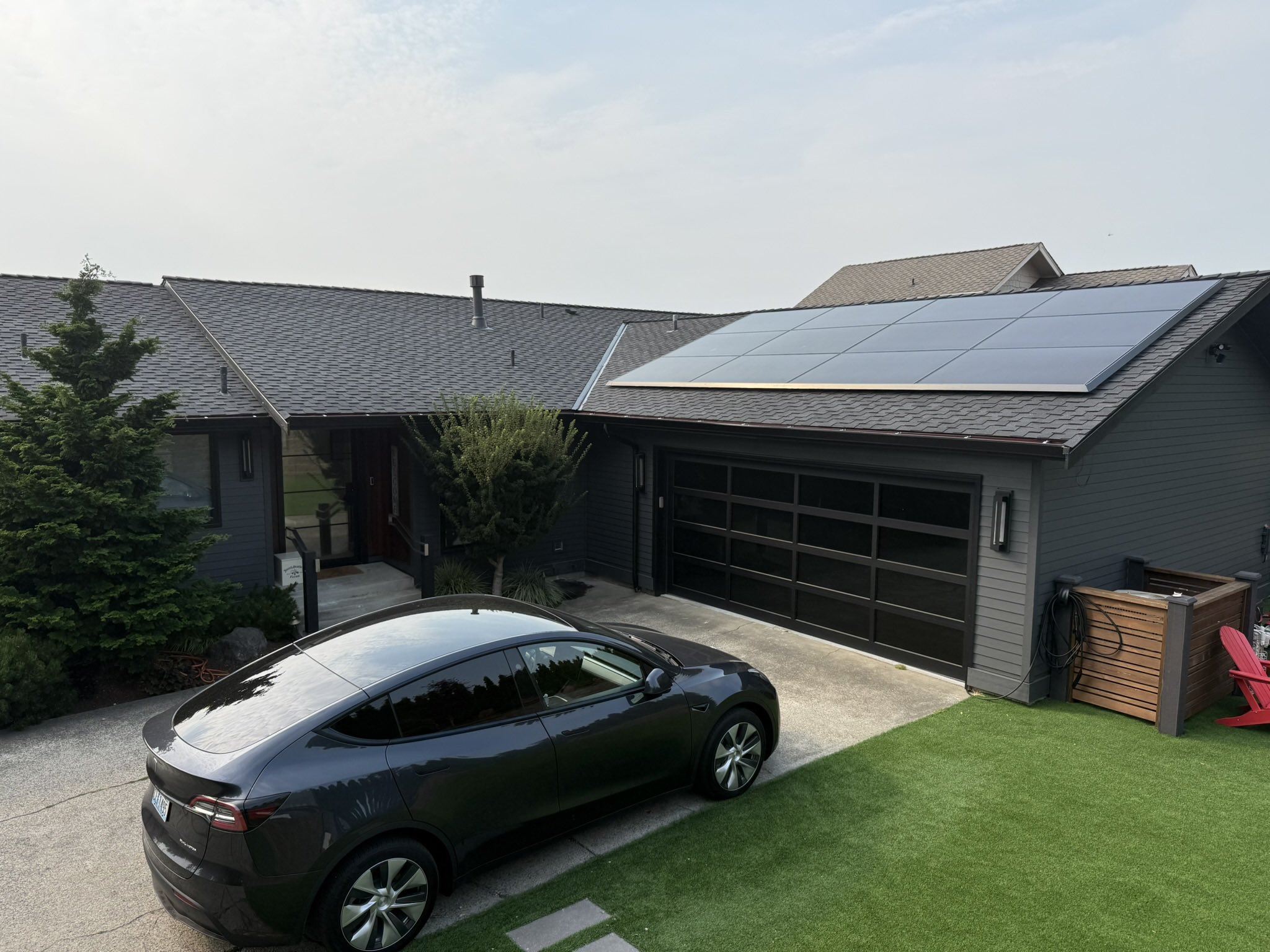
This isn't just about rooftop panels. The modern energy transition leverages every available surface, from residential roofs to vast commercial parking lots, transforming them into profitable power assets. Companies are now offering integrated solutions that combine photovoltaic generation, large-scale battery storage, and managed EV charging into a single, intelligent network. For a Tesla owner, this means your Powerwall stores solar energy by day to charge your car at night, bypassing high evening rates. On a larger scale, a business can install a solar canopy over its parking lot, using the energy to power its operations and a bank of Tesla Superchargers, creating a resilient, revenue-generating microgrid that supports electric mobility.
The true power lies in the seamless integration that Tesla's ecosystem promises. Your vehicle becomes more than transport; it's a mobile battery on wheels, part of a home system that can power essential circuits during an outage. The software-driven intelligence of Tesla's energy products optimizes when to draw from the grid, when to store, and when to consume, maximizing self-reliance. This 360-degree expertise—managing generation, storage, and consumption holistically—is what redefines ownership from a simple purchase to participation in a decentralized energy network.
Strategic Implications for Owners and Investors
For current and prospective Tesla owners, the implication is urgent: delay could be costly. Evaluating solar and storage now positions you to install before potential policy sunsets and escalating grid instability make energy more expensive and less reliable. The investment directly protects against rising electricity costs and enhances the utility of your EV, effectively "fueling" it with free sunlight for decades. For investors, this convergence underscores the immense value of Tesla's integrated energy division. As the electric vehicle market grows, so does the adjacent need for the infrastructure to support it sustainably. Tesla's unique position at the nexus of vehicles, storage, and software creates a formidable moat and a significant long-term growth engine beyond the automotive sector alone.