In an era defined by escalating trade tensions and a global scramble for technological supremacy, Tesla has made a decisive move to secure its own destiny. The company has officially relaunched production of battery packs using its proprietary 4680 cells for select Model Y vehicles, a pivotal step that transcends mere product evolution. This isn't just about a new battery format; it's a calculated drive for industrial sovereignty, positioning Tesla to navigate geopolitical risks and trade barriers with unprecedented independence.
The 4680: More Than Just a Battery Cell
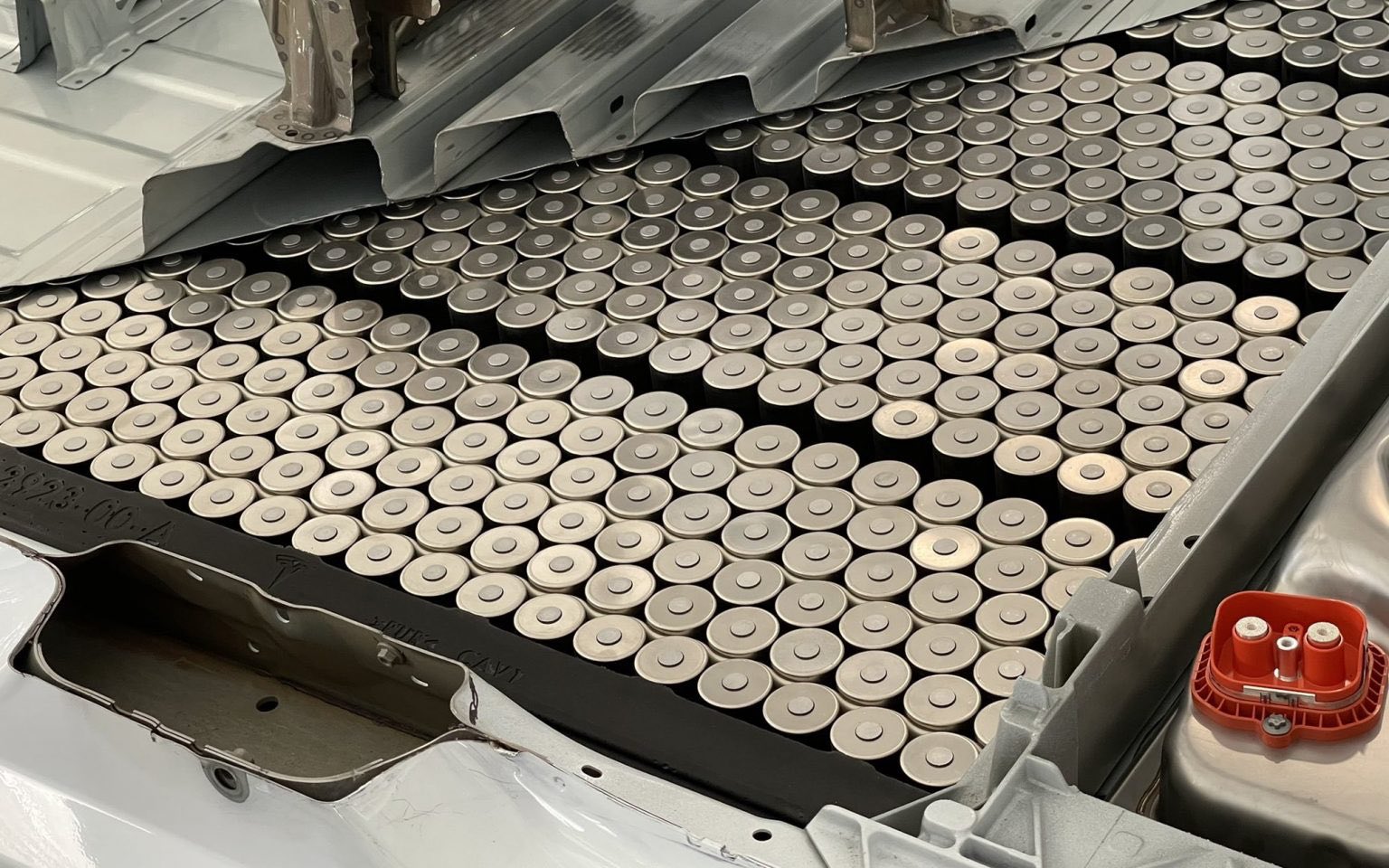
The 4680 cell, named for its 46mm width and 80mm height, represents the core of Tesla's vertical integration strategy. Its larger, tabless design promises significant gains: greater energy density, lower production costs, and a 16% range increase for vehicles. However, its true strategic value lies in control. By mastering the design and manufacturing of this critical component in-house, Tesla reduces its reliance on external suppliers like Panasonic, LG Energy Solution, and CATL. This autonomy is becoming a critical asset as governments worldwide enact policies favoring domestically produced electric vehicle components, from the U.S. Inflation Reduction Act to the European Union's Green Deal Industrial Plan.
Navigating the Geopolitical Minefield
The relaunch of 4680 pack production is a direct response to a fragmented global trade landscape. Rising tariffs, stringent local content rules, and supply chain vulnerabilities have made reliance on imported battery cells a significant business risk. By producing its own cells and packs at facilities like Giga Texas and soon Giga Berlin, Tesla can circumvent punitive tariffs and qualify for lucrative consumer tax credits. This move transforms the 4680 battery from a performance feature into a strategic weapon against trade barriers, ensuring the company can competitively manufacture and sell its vehicles in key markets regardless of shifting international trade winds.
This push for sovereignty extends beyond the final assembly line. Tesla is vertically integrating the entire battery production process, from raw material refining to cell manufacturing and pack assembly. This control over the most expensive and complex part of an EV allows for faster innovation cycles, tighter cost management, and a more resilient supply chain. In a world where battery supply is the new oil, Tesla is building its own wells, refineries, and distribution network.
For Tesla owners and investors, the implications are profound. Owners of vehicles equipped with the new 4680 structural battery packs are at the forefront of Tesla's manufacturing revolution, benefiting from the promised improvements in range and vehicle structural integrity. For investors, this move de-risks the company's growth trajectory. It mitigates exposure to external supplier constraints and geopolitical disputes, potentially safeguarding margins and ensuring more predictable production scaling. The success of the 4680 program is now intrinsically linked to Tesla's ability to maintain its industry-leading profitability and navigate the complex transition to a protectionist global electric vehicle market.