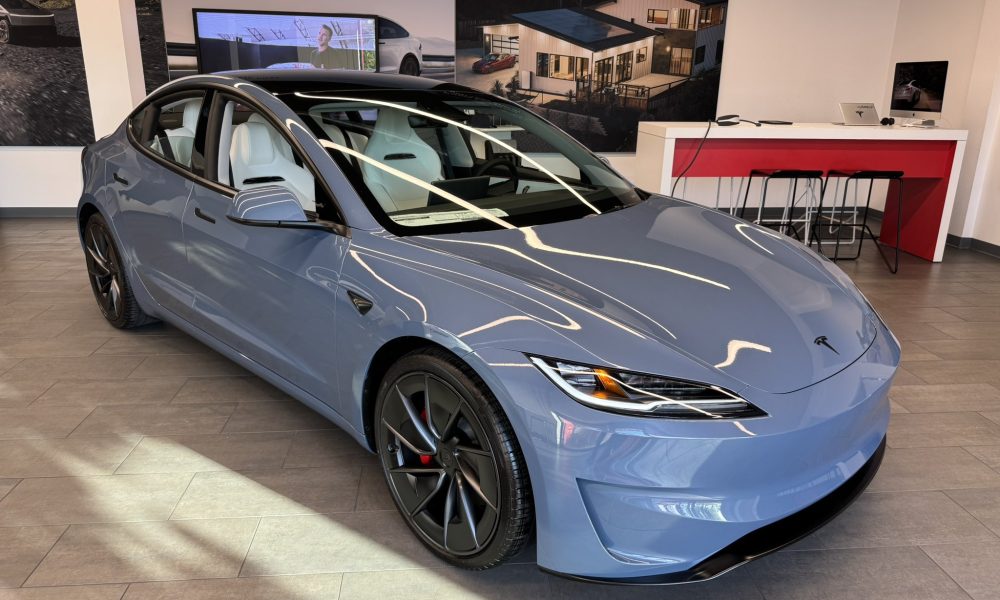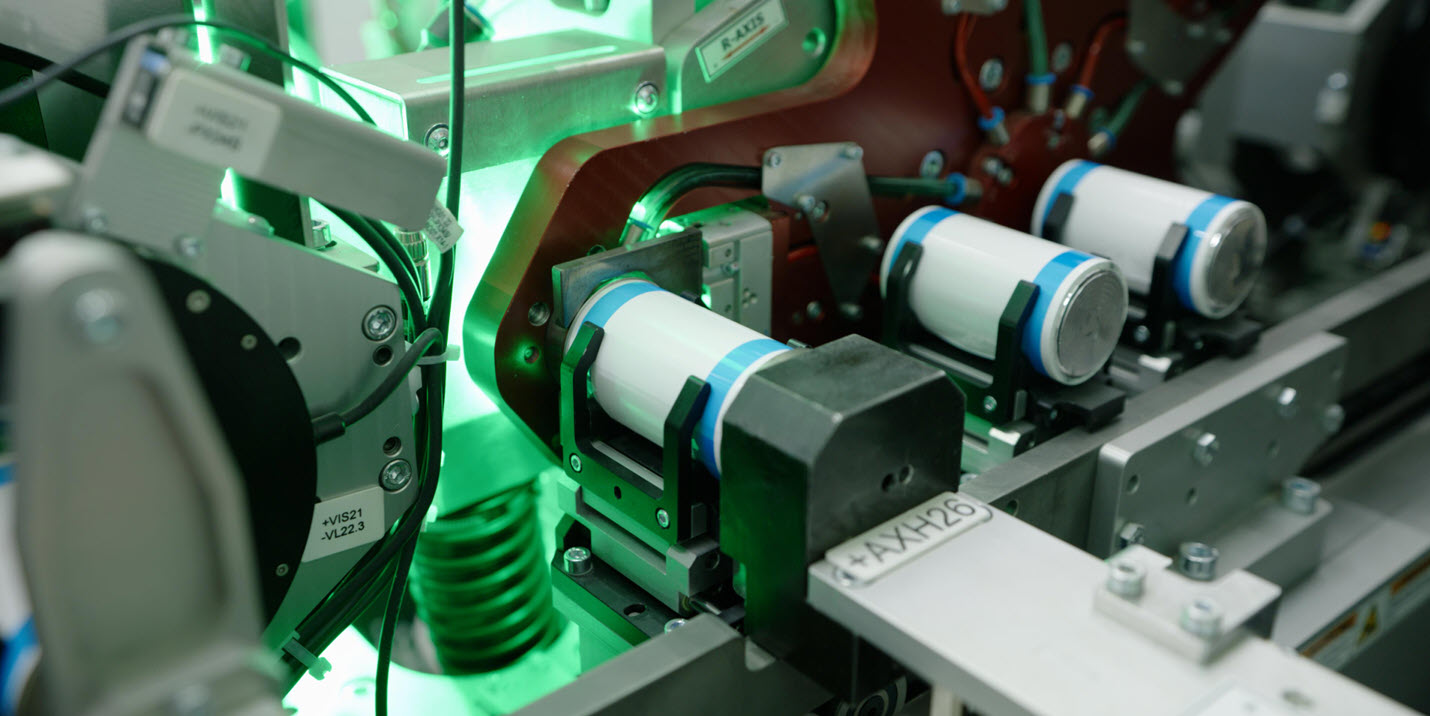
After a period of uncertainty and a quiet discontinuation, Tesla's most advanced battery technology is staging a comeback in its most popular vehicle. The company has confirmed it has restarted production of battery packs for certain Model Y vehicles using its in-house 4680 battery cells, signaling a renewed commitment to its proprietary cell architecture. This strategic reversal is more than a simple product revival; it's a critical test of Tesla's vertical integration ambitions and a potential game-changer for production efficiency and cost.
The 4680 Cell: A Promise of Simplicity and Scale
At the heart of this return is Tesla's 4680 cell format—a larger, tabless design that is fundamental to the company's long-term manufacturing playbook. These cells are engineered not just for energy density, but for radical production simplicity. The structural battery pack architecture they enable, where the battery becomes an integral part of the vehicle's chassis, reduces parts count, weight, and assembly complexity. The initial pause on the 4680 Model Y variant had raised questions about the technology's readiness for prime time. Its restart strongly suggests Tesla has overcome significant production bottlenecks, achieving the yield and reliability needed to feed the insatiable demand of the Model Y production line.
Strategic Implications for Tesla's Manufacturing Edge
This move is a clear statement on supply chain sovereignty. By ramping its own 4680 cell production for the Model Y, Tesla reduces its reliance on external battery suppliers like Panasonic, CATL, and LG Energy Solution for a key segment of its volume. This in-house control is crucial for managing costs, securing capacity, and iterating rapidly on cell chemistry and design. The restart indicates that Tesla's Texas Gigafactory or other dedicated 4680 lines have hit a maturation point where they can reliably contribute to volume vehicle output, a milestone that has been eagerly anticipated by investors watching the company's margin and innovation narrative.
For Tesla owners and prospective buyers, the return of the 4680 Model Y presents nuanced considerations. The structural pack design promises a stiffer chassis and potential interior space gains. More critically, it is the hardware foundation required to unlock the full benefits of future advancements, including faster charging rates and lower-cost vehicles. Investors should view this as a de-risking of a core technological bet; successful high-volume integration validates a key pillar of Tesla's cost-reduction roadmap. However, the market will now watch closely for tangible impacts on vehicle gross margins and any performance differentiation in range or charging speed compared to Model Y units equipped with third-party 2170 cells. The comeback is on, and its success will be measured in both cells produced and dollars saved.