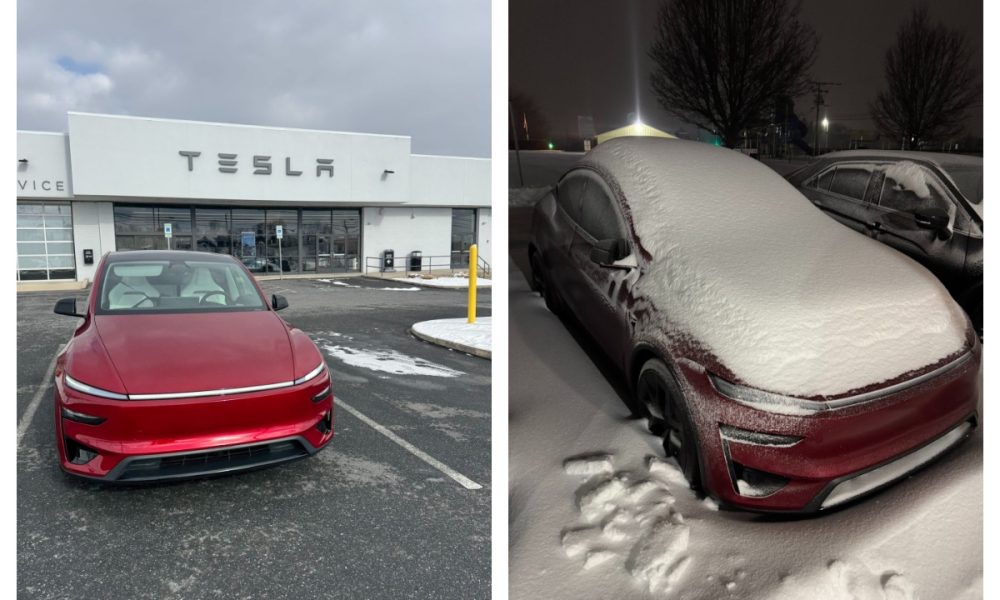
A brutal winter storm blanketed Pennsylvania this weekend, delivering over a foot of snow and providing a rare, real-world laboratory for Tesla's cold-weather prowess. With a loaner Model Y Performance buried under the powder, one critical question emerged: how effectively can the electric vehicle's thermal systems handle a serious dig-out? We put the car's defrosting capabilities to the ultimate test, timing how long it took to melt through 8 inches of accumulated snow solely using climate controls.
The Defrost Experiment: Activating "Max Defrost"
With the Model Y completely covered, the experiment began by activating the "Max Defrost" function remotely via the Tesla app. This setting is designed to be the vehicle's most aggressive climate state, directing maximum power to both the cabin heater and the critical glass surfaces—the windshield, front windows, and side mirrors. The goal was not just cabin comfort, but to observe how the concentrated thermal energy would transfer through the thick snow layer on the glass. It's a powerful demonstration of the EV's integrated thermal management system, which intelligently routes heat from the powertrain to where it's needed most.
Results and Thermal System Analysis
The results were telling of the system's raw power. The Model Y Performance managed to melt through the entire 8-inch snow layer on the windshield in approximately 20 minutes. Observers noted the melting pattern originated at the base of the glass, where the defroster vents are located, and rapidly advanced upward as a defined water line. This efficiency stems from the electric vehicle's instant heat generation; unlike an internal combustion engine that must warm up, the Tesla's heat pump and resistive heating elements can deliver maximum output immediately. The melting time, while impressive, also highlights the significant energy draw such a task requires in extreme conditions.
For Tesla owners and investors, this test underscores both a key advantage and a consideration. The ability to safely and quickly clear critical visibility points without manual labor is a massive real-world benefit, enhancing safety and convenience. However, it also vividly illustrates the impact of extreme cold-weather operations on range. Running Max Defrost consumes substantial battery energy, a factor drivers must account for in trip planning during winter storms. For the company, continued refinement of the heat pump and thermal management software remains crucial to balancing occupant comfort with energy preservation, a key differentiator in competitive EV markets where winter performance is scrutinized.