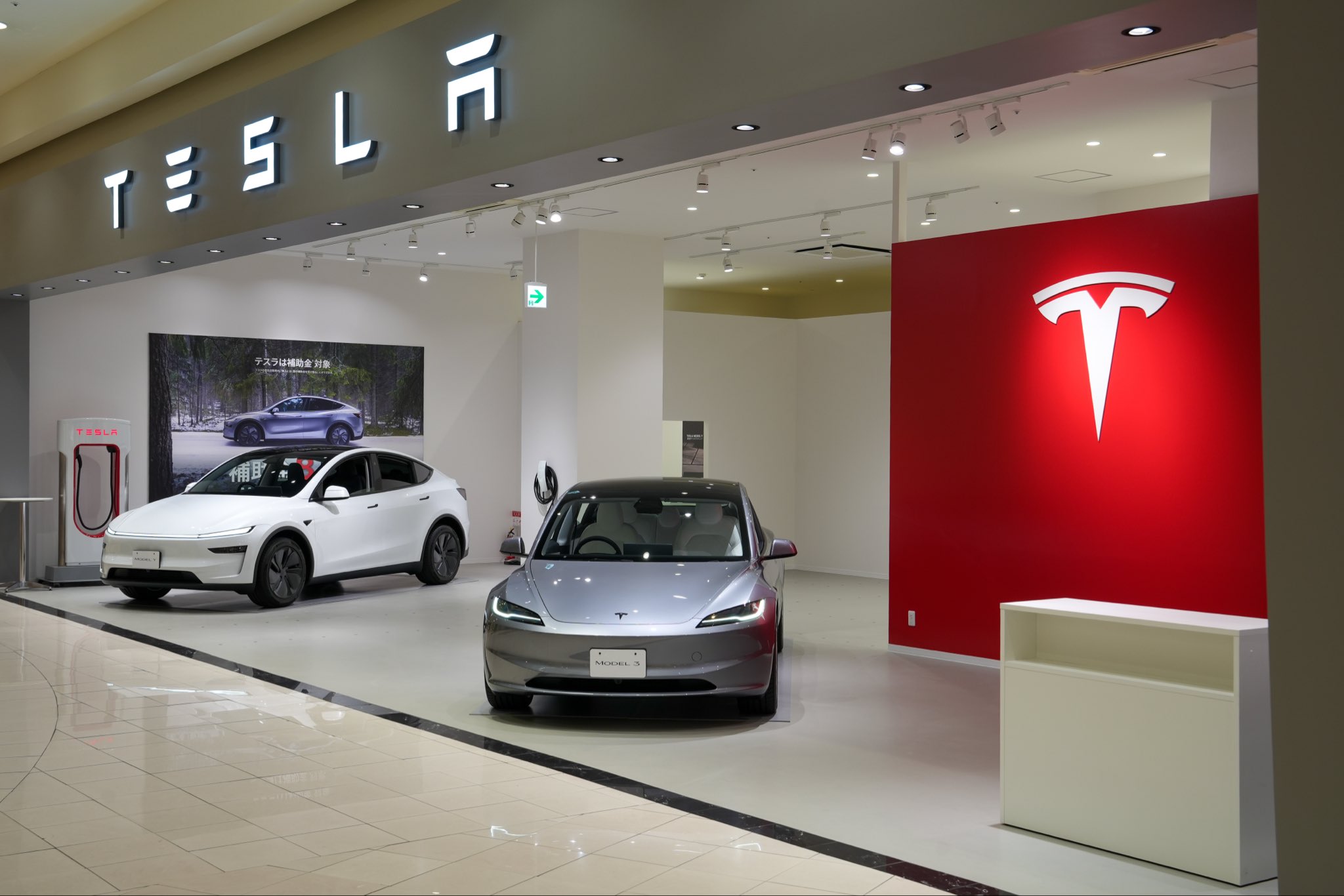
For years, the identity of Tesla has been a duality: a revolutionary electric vehicle manufacturer and a bold technology moonshot factory. That balance now appears to be decisively shifting. Following a quarter of declining sales and intensifying competitive pressure, Tesla's strategic pivot away from its core automotive business is no longer a speculative talking point—it's an operational reality. The company is effectively throwing in the towel on aggressive car sales growth, choosing instead to double down on its future as an artificial intelligence and robotics enterprise, even as its present foundation wobbles.
The Shrinking Core: A Strategic Retreat from Volume
The numbers tell a stark story. Tesla reported a year-over-year decline in vehicle deliveries for the first time since the pandemic, with Q1 2024 figures falling well below analyst expectations. This isn't merely a blip; it's the culmination of aging models, a volatile pricing strategy, and a saturated premium EV market. Instead of announcing a new mass-market vehicle to reignite demand, leadership has shelved those plans in favor of focusing on a future "robotaxi" platform. The message is clear: competing on volume in the brutal, subsidy-free EV market is a battle Tesla is no longer prioritizing. The growth engine of the past decade is being deliberately downshifted.
Musk's Master Narrative: From Car Maker to AI Architect
This retreat aligns perfectly with Elon Musk's long-stated ambition to redefine the company. He has consistently framed Tesla's value not in its metal but in its silicon—specifically, its Full Self-Driving (FSD) software and the Dojo supercomputer designed to train it. The upcoming Robotaxi unveiling on August 8th is the next critical chapter in this narrative. By de-emphasizing car sales, Musk is forcing investors and the market to value Tesla as a disruptive AI play, where margins come from software subscriptions and autonomous mobility networks, not from manufacturing and selling vehicles. The car becomes merely the hardware vessel for a far more lucrative, scalable software ecosystem.
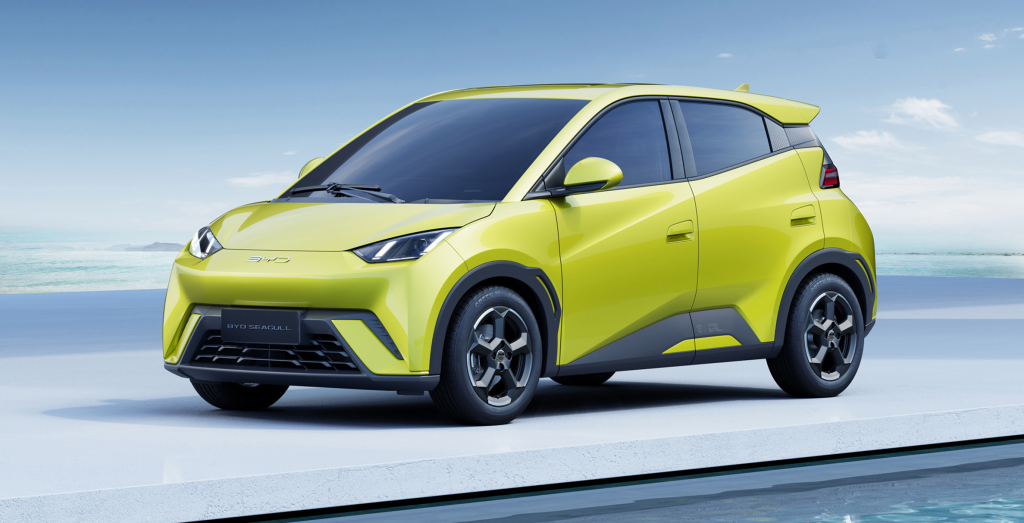
This pivot, however, is fraught with immense risk. Tesla's AI ambitions are unproven at commercial scale and face regulatory, technical, and ethical hurdles that make their timeline uncertain. Meanwhile, the "legacy" auto business generates the billions in cash flow needed to fund these expensive futures. Ceding ground in the global EV race—where competitors like BYD are accelerating—could weaken the very financial engine required to make the AI dream a reality. It's a high-stakes gamble that places extraordinary weight on technologies that are not yet fully realized.
Implications for Owners and Investors
For current Tesla owners, this strategic shift is a double-edged sword. On one hand, it signals that the company's most significant investments will be in software that could dramatically enhance their vehicle's capabilities and value over time. On the other, the de-prioritization of new mass-market vehicles may slow the expansion of the Supercharger network and service infrastructure, while raising questions about long-term hardware support and resale values for existing models. For investors, the calculus has fundamentally changed. Evaluating Tesla now requires analyzing AI development milestones and software adoption rates as much as, if not more than, quarterly delivery numbers. The stock will likely see increased volatility, trading more on faith in a robotic future than on present automotive execution. The company isn't abandoning cars, but it is decisively betting its future on being something much more.