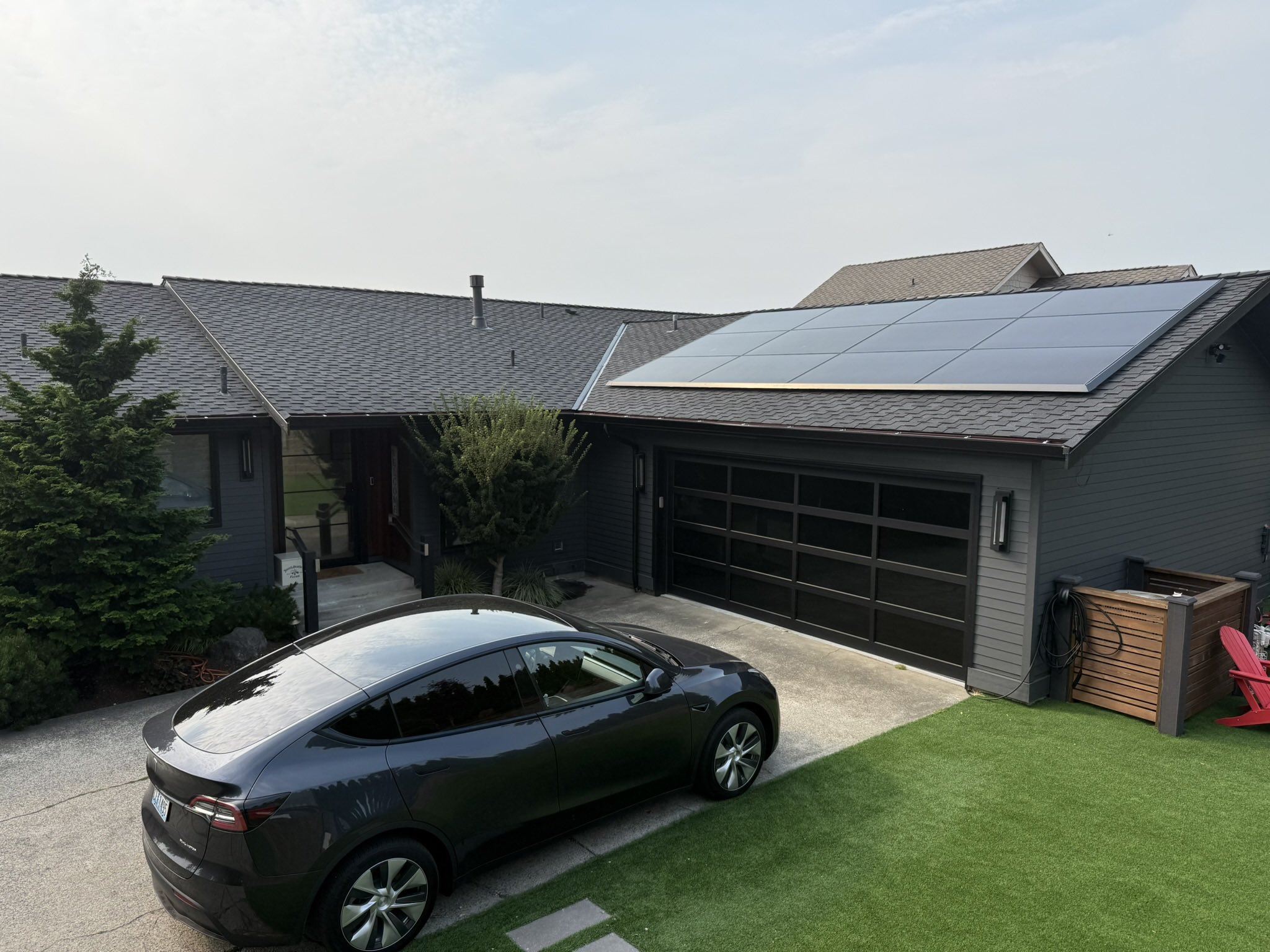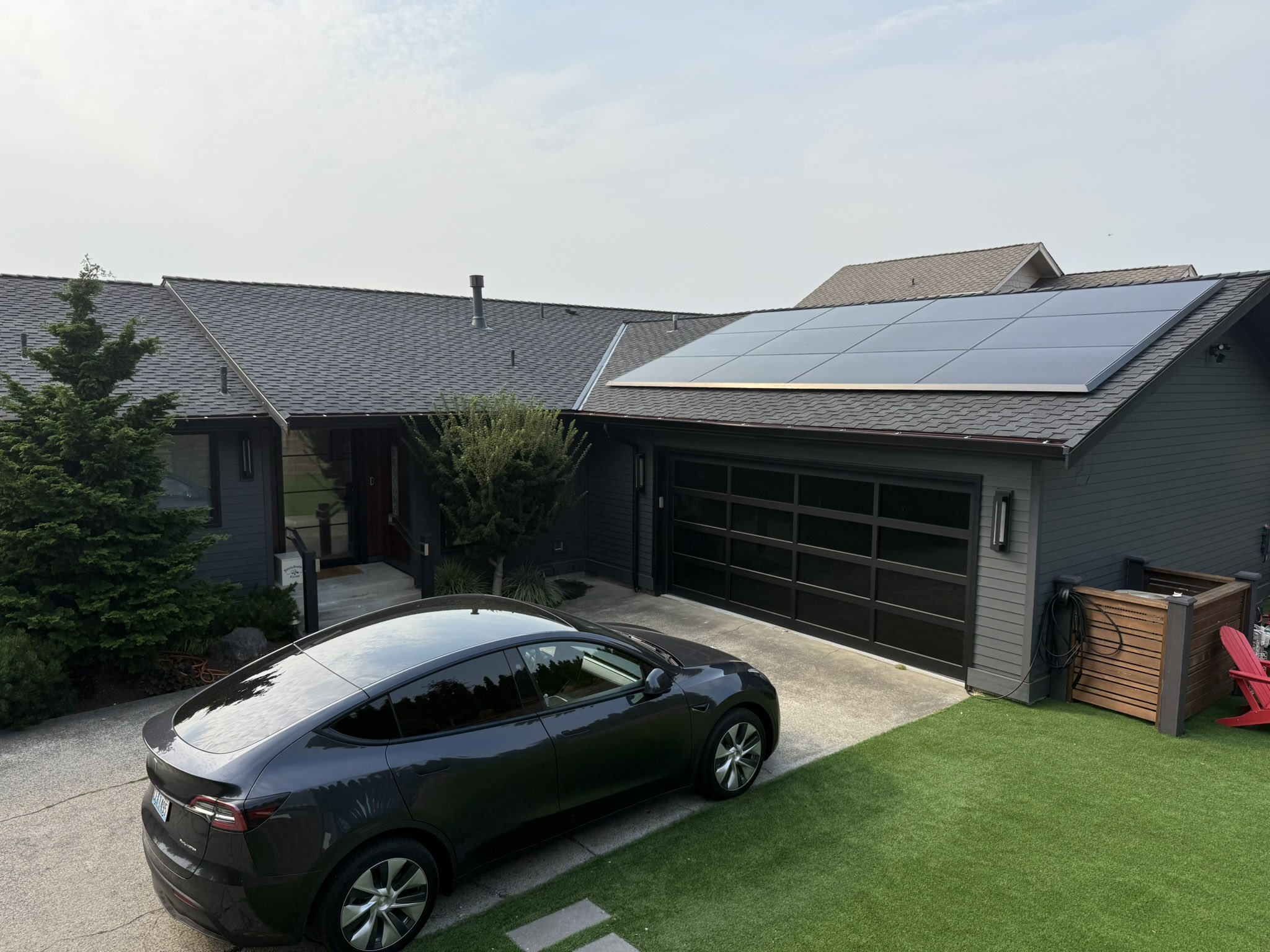
Elon Musk's vision for a sustainable energy ecosystem extends far beyond the open road, aiming to turn every home into a sleek, self-sufficient power plant. As we look toward 2026, Tesla's integrated solar offering is poised for its next evolution, moving beyond a mere panel installation to become the brain of a modern household's energy strategy. This complete guide breaks down what premium solar energy with Tesla will entail, from the maturing technology to the intelligent software that promises to redefine energy independence.
The 2026 Product Ecosystem: Beyond the Panel
The heart of Tesla's 2026 solar proposition remains its signature, low-profile solar tiles and traditional panels, designed for aesthetic integration. However, the true premium lies in the seamless synergy with the Powerwall 3 (or its successor), which is expected to feature even greater storage density and faster recharge cycles. The critical differentiator is the Tesla Gateway and its accompanying app, which intelligently manages energy flow—prioritizing solar consumption, optimizing grid exports during peak rates, and providing whole-home backup during outages. This isn't just hardware; it's a fully managed energy service.
Analysis: The Competitive Edge and Considerations
Tesla's integrated approach offers a compelling, one-stop-shop solution that simplifies the often-complex process of going solar. Their vertically controlled ecosystem ensures all components communicate flawlessly, a significant advantage over piecemeal systems. However, in 2026, the premium price tag must be justified by more than just branding. The market will scrutinize panel efficiency ratings, which, while competitive, may not always lead the industry in raw performance. The value is increasingly software-defined: Tesla's ability to leverage its Virtual Power Plant (VPP) programs, where aggregated Powerwalls support the grid, could provide tangible financial returns to owners, offsetting system costs.
Potential adopters must also weigh the company's historically mixed reviews on customer service and installation timelines. As volume grows, Tesla's challenge will be to maintain a premium, responsive customer experience to match its premium technology. The long-term durability and performance degradation data of their solar products, now maturing, will also be under a microscope, influencing consumer confidence and total cost of ownership calculations.
Implications for Tesla Owners and Investors
For homeowners, the 2026 Tesla solar proposition represents a move toward becoming an active participant in the energy market. The system is an investment in resilience against rising utility rates and grid instability, with the added potential for revenue generation through VPPs. The decision will hinge on valuing a cohesive, tech-forward experience over potentially lower-cost, high-efficiency alternatives from specialized solar providers.
For investors, the energy business remains a critical pillar of Tesla's "master plan." Success in solar and storage diversifies revenue streams and deepens the company's ecosystem lock-in. Strong growth and improved margins in this segment in 2026 would signal that Tesla is finally realizing its full sustainable energy vision, transforming it from an EV automaker into a comprehensive energy and technology titan. Conversely, stagnation here would highlight a significant missed opportunity in a vast global market.