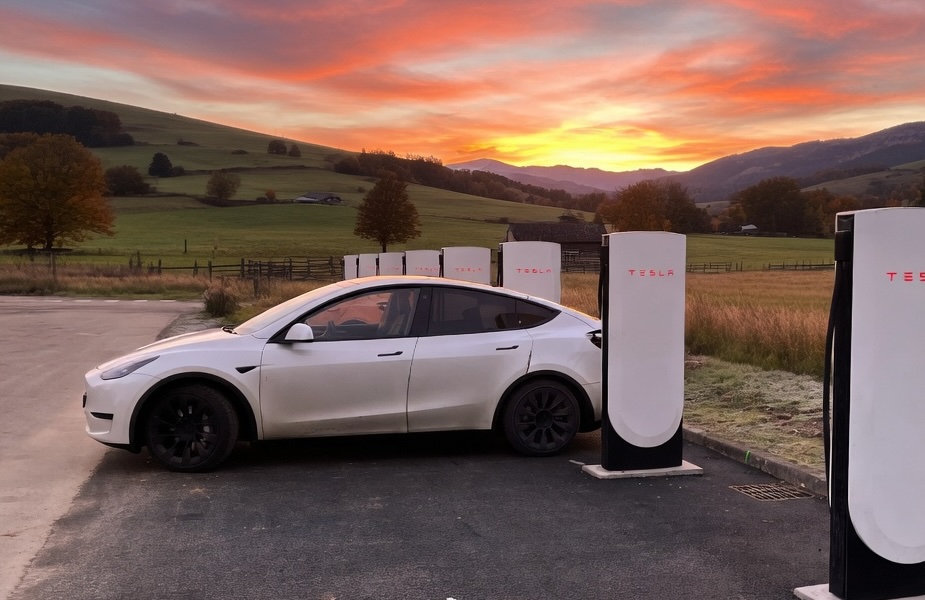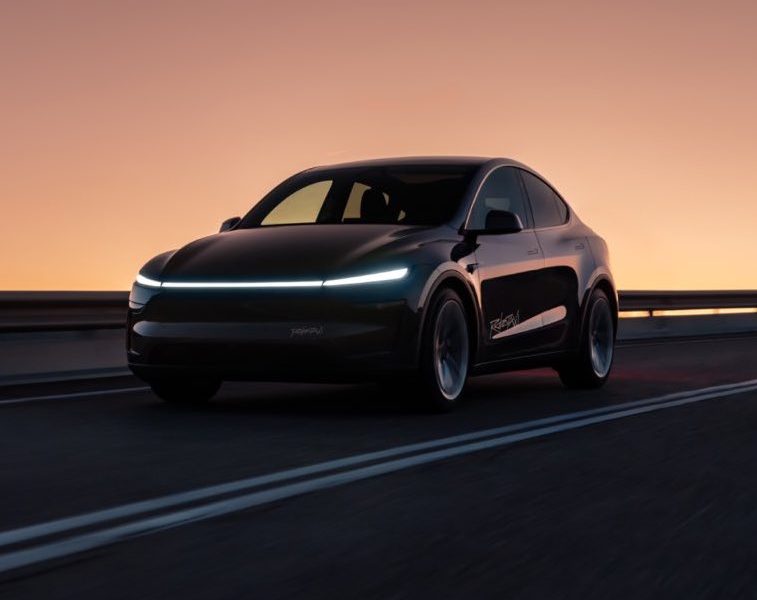
While Tesla owners are familiar with the company's expansive Supercharger network, a new, exclusive type of stall is quietly emerging. Spotted at select locations, these "Robotaxi-only" Superchargers are not merely a convenience feature; they are the first physical manifestation of Tesla's master plan for a fully autonomous future. This strategic move signals a pivotal shift from building infrastructure for human drivers to creating a dedicated ecosystem for its coming fleet of self-driving vehicles.
The Hardware of Autonomy: More Than a Parking Spot
These designated stalls, often marked clearly and situated for easy access, serve a critical operational function. For a Robotaxi fleet, downtime is revenue lost. A dedicated, reliable charging infrastructure eliminates the variable of human drivers occupying critical stalls, ensuring vehicles can quickly juice up and return to service. More importantly, these sites are likely testing grounds for the next evolution of charging: fully automated connection and disengagement. The ultimate vision is a car that can drive itself to a charger, plug in without human intervention, and depart when ready—a closed-loop system that maximizes fleet utilization and minimizes cost.
Vertical Integration: The Tesla Ecosystem in Concert
The appearance of these stalls underscores Tesla's unique advantage as a vertically integrated company. This isn't just an EV maker installing more chargers; it's the deliberate interconnection of its three core pillars. The Robotaxi (vehicle and AI software) will communicate directly with the Supercharger (energy hardware) and the broader Tesla network (software and fleet management). This seamless concert allows for dynamic routing based on battery state, charger availability, and passenger demand, optimizing the entire service's efficiency and profitability in a way no third-party fleet operator could replicate.
This development also provides crucial real-world data. By monitoring how autonomous vehicles approach and utilize these dedicated stations, Tesla's engineers can refine the "vision" and navigation algorithms for this specific, repetitive task. Every automated charge cycle feeds back into the neural network, making the system more robust. It transforms a simple energy stop into a continuous learning opportunity, hardening the technology for a global scale rollout.
Implications for Owners and Investors
For current Tesla owners, the immediate impact may be minimal, but the long-term implications are significant. The prioritization of Robotaxi infrastructure reaffirms Elon Musk's unwavering commitment to autonomy as the company's primary value driver. For investors, these physical installations are a tangible milestone, de-risking the Robotaxi narrative by demonstrating concrete progress beyond software updates. It proves Tesla is building the complete, ground-up framework necessary to support and monetize its Full Self-Driving technology.
However, it also presents questions about resource allocation and network access. As the Robotaxi fleet grows, will dedicated stalls reduce capacity for consumer vehicles at high-demand locations? Conversely, the revenue from a high-utilization autonomous fleet could fund an unprecedented expansion of the overall Supercharger network. One thing is clear: Tesla is not just preparing for the age of autonomy; it is already laying its physical foundation, one exclusive charger at a time.