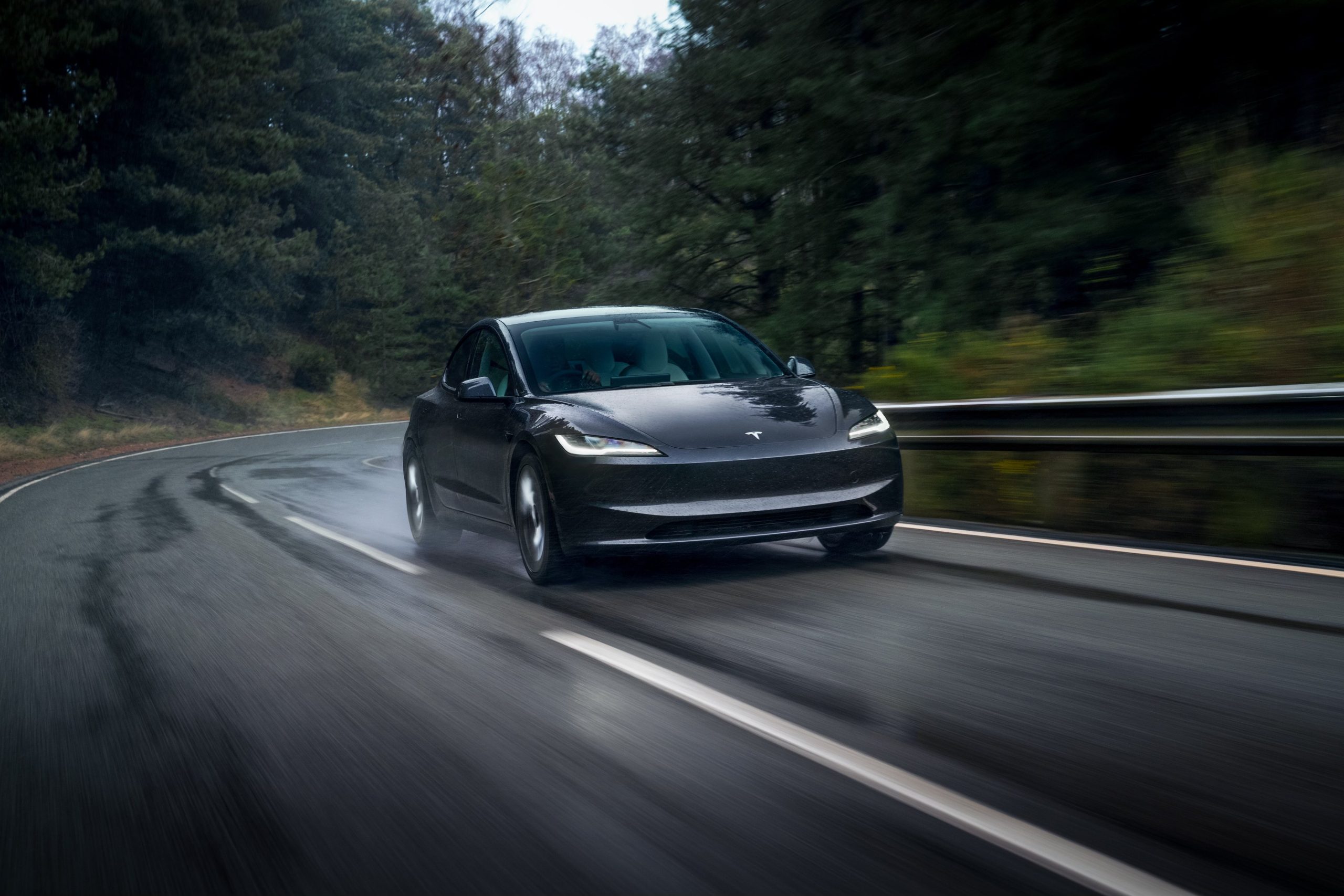
In a move that has sent ripples through the Canadian electric vehicle market, Tesla has purged all new Model 3 inventory from its official Canadian online configurator. This strategic withdrawal occurred over the weekend, coinciding precisely with a major policy shift from the federal government in Ottawa. The timing is conspicuous, as it came just hours before Canada officially reopened its doors to Chinese-built electric vehicles under a new import program, setting the stage for a potential recalibration of Tesla's North American strategy.
A Strategic Withdrawal Amid Shifting Trade Winds
The disappearance of the Model 3 from Tesla's Canadian inventory listings is not a minor website glitch. It represents a deliberate pause in the direct sale of its most accessible vehicle in the market. This action follows the Canadian government's announcement that it is launching a 90-day consultation period on imposing new tariffs on Chinese EVs, mirroring the recent 100% tariffs enacted by the United States. However, crucially, the existing moratorium on Chinese EV imports has been lifted during this review, creating a temporary window where vehicles like the BYD Seal could theoretically enter duty-free. Tesla's preemptive inventory clearance suggests the company is maneuvering to avoid being caught with existing stock that may soon face a radically different competitive and pricing landscape.
Context: The Global EV Tariff Chessboard
This development is a direct consequence of the escalating global trade tensions surrounding the electric vehicle sector. The United States' drastic tariff increase in May was a defensive move against a potential flood of subsidized Chinese EVs. Canada, which initially paused imports for a national security review, is now navigating a delicate path between aligning with its largest trading partner and maintaining its own consumer-friendly green transition goals. For Tesla, the calculus is complex. The company operates a gigafactory in Shanghai that is a crucial export hub, including for vehicles sent to Canada. Any new Canadian tariffs could disrupt the supply chain for the Chinese-made Model 3 and Model Y, potentially making them less competitive on price overnight.
Implications for Tesla's Strategy and Stakeholders
The immediate implication for Canadian consumers is a clear signal: if you want a new Model 3 right now, you may need to order a custom build and wait for delivery. For Tesla, this inventory reset is likely a tactical buffer. It provides the company with flexibility to adjust pricing, sourcing, or promotional strategies once Canada's tariff policy is finalized in the coming months. Investors should view this as a proactive, if defensive, supply chain management move in a volatile regulatory environment. The larger story, however, is about market protection. Tesla has long enjoyed a dominant first-mover advantage in North America's premium EV space. The potential arrival of sophisticated, lower-cost Chinese competitors—even if temporarily—forces Tesla to sharpen its value proposition, potentially accelerating local production plans or feature updates for the North American market.
Ultimately, Tesla's quiet weekend website update is a canary in the coal mine for the Canadian EV industry. It underscores how geopolitical trade policies are now directly influencing consumer choice and corporate inventory in real-time. While the removal of Model 3 inventory may be temporary, the new era of protected, fragmented global EV markets it heralds is just beginning.


