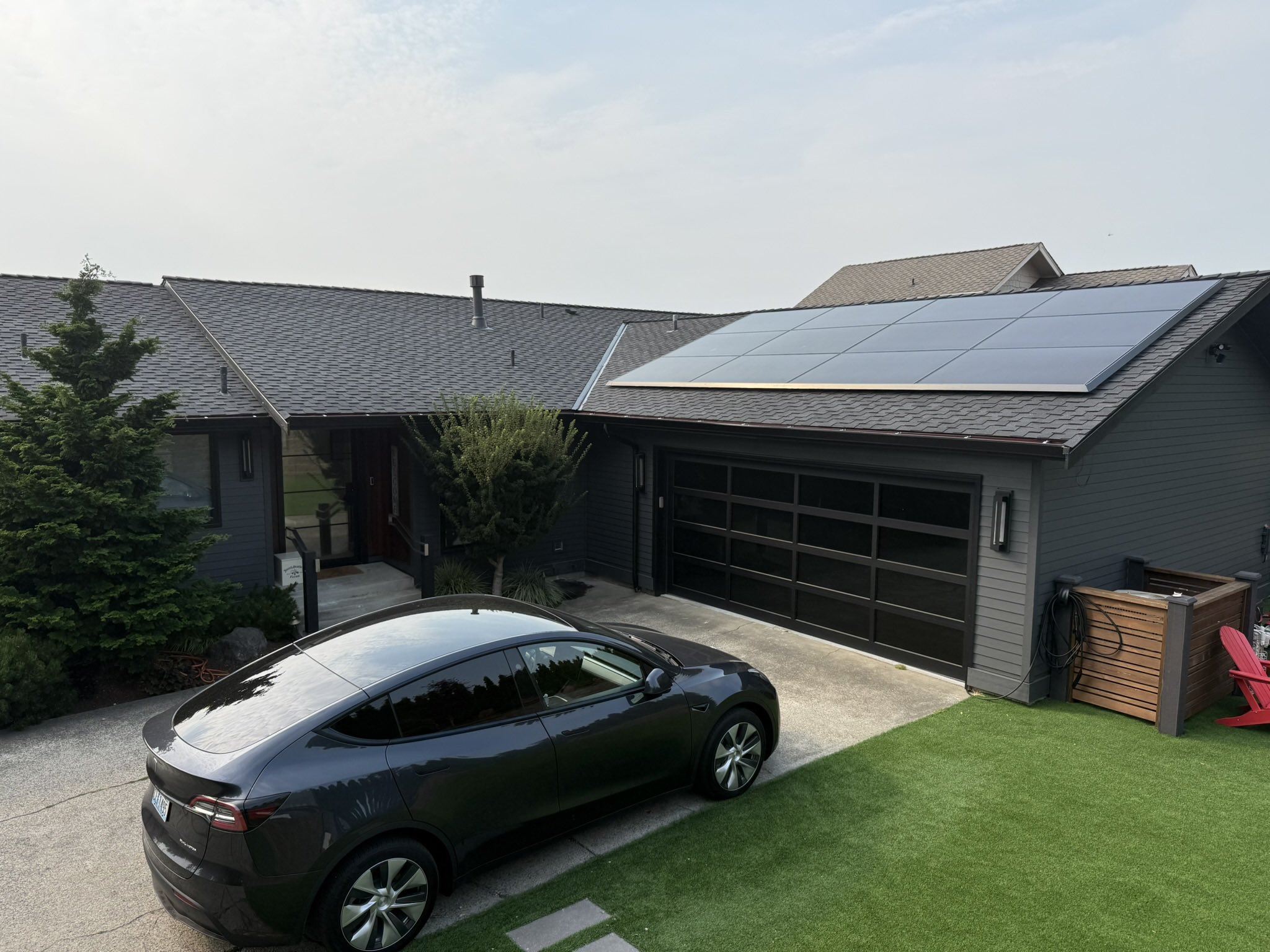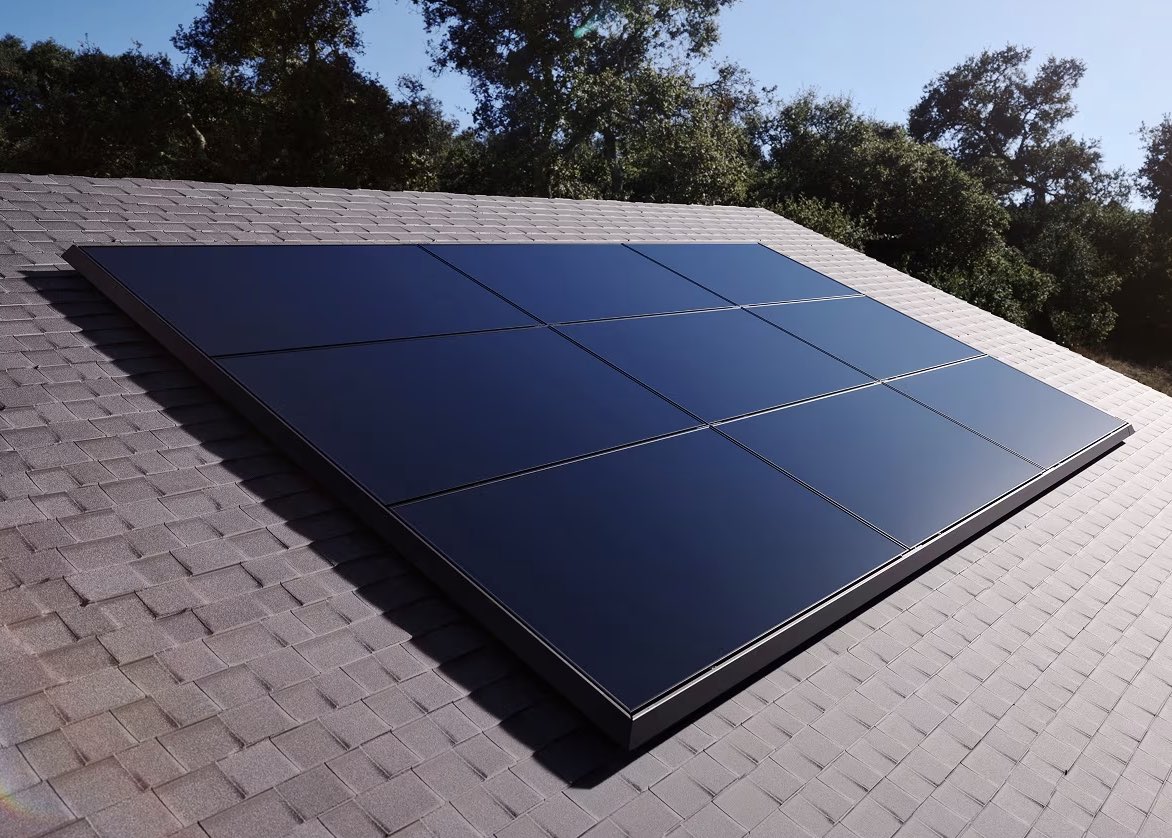
In a strategic pivot that reshapes its energy business, Tesla has officially announced the relocation and significant ramp-up of its solar panel production to the United States. After years of relying on foreign manufacturing partners, the company is bringing a critical piece of its clean energy puzzle in-house at its Gigafactory New York facility in Buffalo. This move signals a major commitment to vertical integration for its solar division and a bet on American manufacturing, with an initial annual production capacity target of 300 megawatts (MW) for its proprietary solar modules.
A Strategic Shift to Vertical Integration
For years, Tesla's solar roof tiles (the premium, integrated product) and its standard solar panels have followed different manufacturing paths. While the innovative tiles were produced domestically, the company sourced its conventional solar panels primarily from international partners. This new initiative at Giga New York ends that bifurcation, consolidating the production of its core solar hardware under one domestic roof. The decision aligns with CEO Elon Musk's long-standing philosophy of controlling the entire production stack, a strategy that has defined its EV success. By internalizing panel manufacturing, Tesla aims to streamline supply chains, improve quality control, and potentially reduce costs over time, all while mitigating geopolitical and logistical risks associated with overseas production.
Revitalizing Giga New York's Core Mission
The Buffalo facility, originally envisioned as a hub for solar innovation, has seen its role evolve and its output figures shrouded in less transparency compared to Tesla's automotive gigafactories. This production announcement reaffirms the site's central importance to Tesla's energy ambitions. Ramping to 300 MW annually provides a clear, quantitative goal and represents a substantial commitment of resources and manpower to the plant. It transforms Giga New York from primarily a solar roof tile and Supercharger component site into a full-spectrum solar factory. This move is also a significant win for the region's economy and aligns with broader U.S. policy incentives, like the Inflation Reduction Act, which includes lucrative tax credits for domestically manufactured clean energy components.
The implications of this shift are multifaceted. For Tesla's energy division, which has often played second fiddle to its automotive business, this is a statement of intent. It provides the division with greater autonomy, manufacturing stability, and the potential for faster product iteration. Analysts will be watching closely to see if this in-house production translates into more competitive pricing for Tesla's solar installations or the introduction of new panel designs optimized for the Tesla ecosystem. The success of this ramp-up is crucial for Tesla to capture a larger share of the growing residential and commercial solar market.
For Tesla owners and investors, this move underscores the company's long-game in becoming a comprehensive sustainable energy provider, not just a carmaker. A reliable, U.S.-based panel supply chain could lead to shorter installation wait times and more integrated energy packages combining solar, Powerwall batteries, and electric vehicle charging. Investors should view this as a step toward greater profitability and scale in the energy sector, potentially unlocking a higher-margin, recurring revenue stream. However, execution risk remains—ramping new manufacturing lines is a complex challenge Tesla knows well. The market will now expect the energy division to demonstrate that this vertical integration can be as transformative for solar as it was for the automobile.