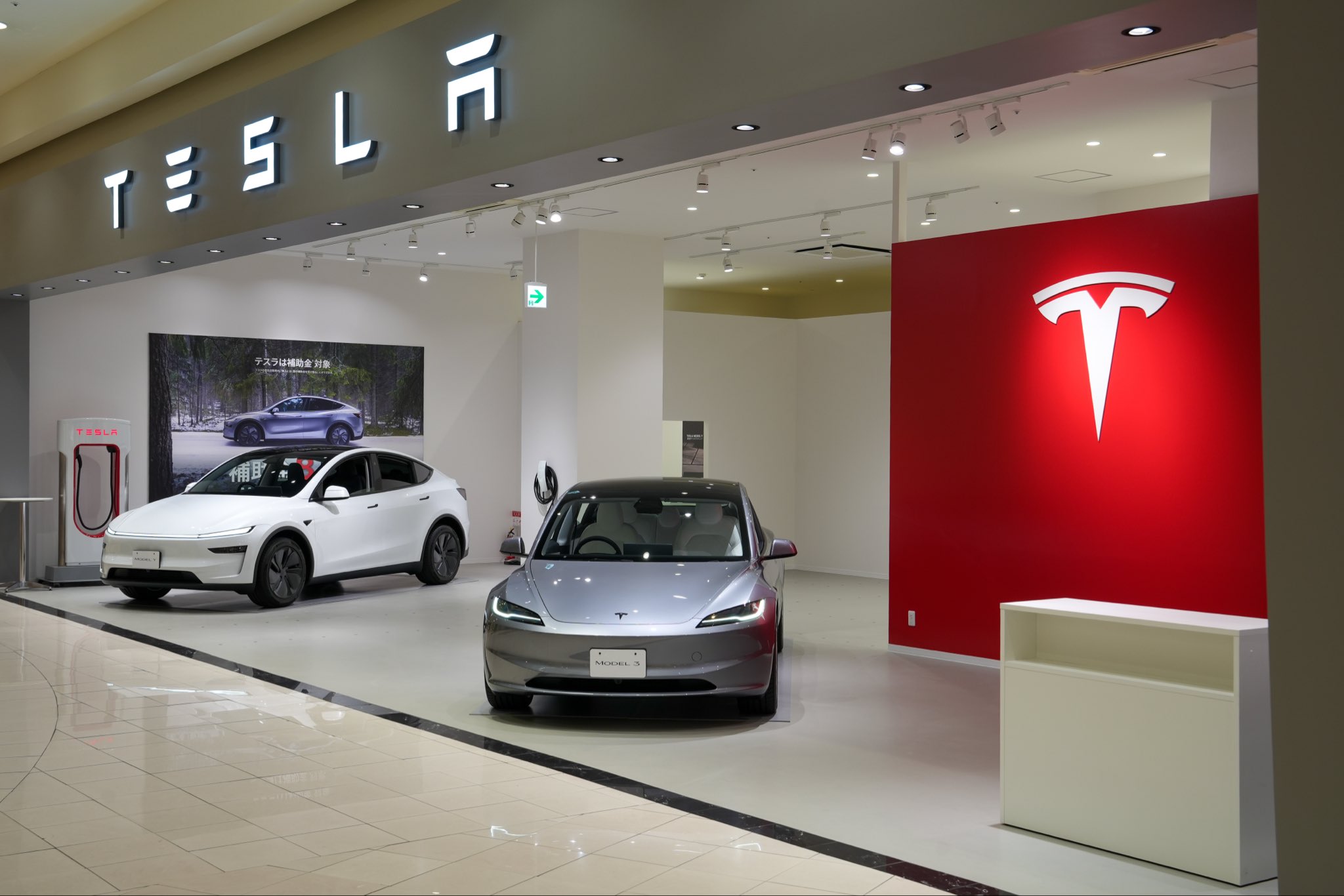
In a stunning rebuke from a critical automotive market, Tesla has placed dead last in a comprehensive study of corporate reputation in Germany. The annual analysis, conducted by the Institute for Management and Reputation (IMR), reveals a catastrophic year-over-year collapse for the electric vehicle pioneer, which now finds itself ranked below even companies like Temu and Nestlé, brands that have themselves faced significant public scrutiny. This result in Europe's largest car market, compounded by similarly poor showings in Nordic countries, signals a profound and potentially costly shift in perception that extends far beyond quarterly delivery numbers.
A Precipitous Fall from Grace
The IMR study surveys public perception across seven key pillars, including quality, integrity, and social responsibility. Tesla's plunge to the bottom rank represents not a gradual decline but a dramatic fall, indicating widespread and deepening negative sentiment. While specific German concerns were not detailed in the initial report, industry analysts point to a confluence of factors: persistent negative press around CEO Elon Musk's polarizing public statements, growing frustration with the company's customer service and repair infrastructure in the region, and an increasingly competitive landscape where German automakers are launching compelling electric vehicle alternatives. The ranking suggests that Tesla's historical brand equity, built on innovation and a mission-driven ethos, is being severely tested by operational and reputational headwinds.
Broader Nordic Troubles and the Competitive Squeeze
Germany is not an isolated case. The report notes Tesla's reputation has also suffered notably in Nordic countries, traditionally strongholds for EV adoption. This regional pattern underscores a systemic challenge. In these sophisticated markets, consumers are not just buying a car but aligning with a brand's values and reliability promise. The reputational damage coincides with a period of intense competition; Volkswagen, BMW, and Mercedes-Benz are aggressively marketing their electric portfolios, often leveraging their longstanding reputations for engineering quality and local manufacturing presence. For Tesla, the risk is a dual squeeze: losing its lustrous innovative edge while failing to match the established trust and service networks of its European rivals.
The implications of this reputational crisis are multifaceted and serious. For Tesla, it represents a direct threat to its market share and pricing power in a region crucial for global automotive prestige. A tarnished brand can lead to increased customer acquisition costs, lower residual values for its vehicles, and greater difficulty attracting top talent. Furthermore, a poor public image can invite more stringent scrutiny from regulators and policymakers, complicating expansion plans for facilities like Giga Berlin. The company's ability to navigate this reputational quagmire will be a critical test of its operational maturity beyond the startup phase.
For Tesla owners and investors, the German study is a stark wake-up call. Owners may see the resale value of their vehicles impacted by a declining brand halo, while also potentially facing longer-term concerns about the company's commitment to regional service and support. Investors must weigh the company's undeniable technological and cost advantages against the tangible business risk of a collapsing brand reputation in key markets. While Tesla's financials and global sales remain robust, history shows that brand perception is a leading indicator, not a lagging one. How the company responds—whether through a renewed focus on customer experience, strategic communications, or local community engagement—will be closely watched as a measure of its resilience and long-term viability in the face of growing public skepticism.