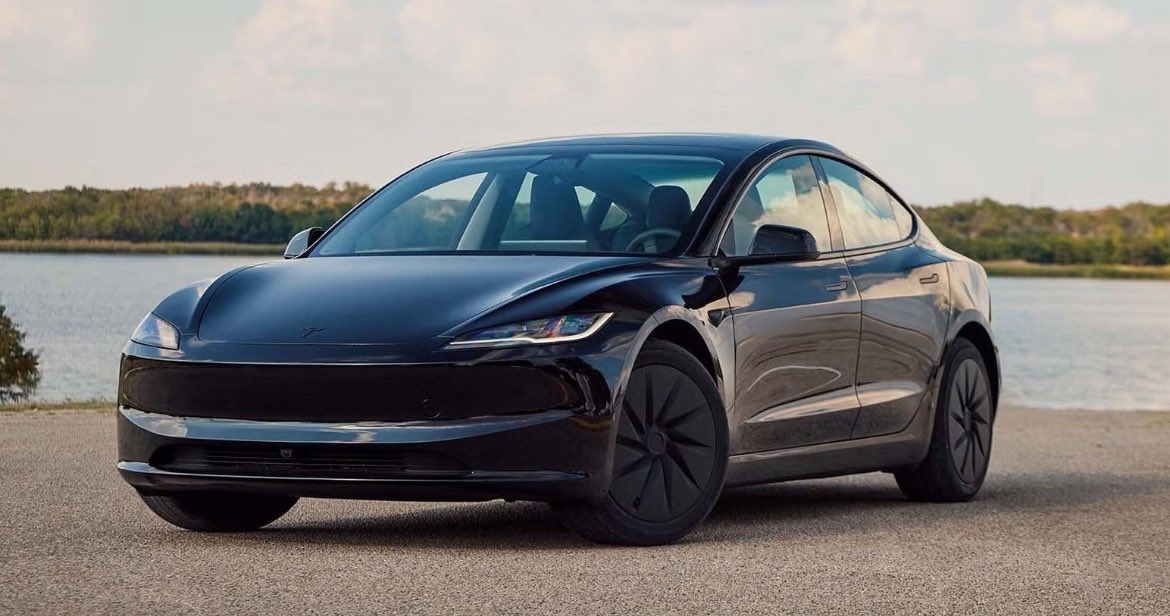
A new Tesla Model 3 owner's meticulous record-keeping has sparked a significant investigation into perceived battery degradation, raising questions about software estimates versus hardware reality. The owner, who documented a precise 499 km range at 100% charge upon delivery in November 2022, watched that number plummet to 461 km just six months later—a loss of 38 km of indicated range. This sharp, early decline has moved beyond typical forum speculation, prompting experts to dig into the data behind the dashboard display.
Beyond the Gauge: Understanding the Battery Management System
The core of the investigation lies in Tesla's sophisticated Battery Management System (BMS). The displayed range is not a simple fuel gauge but a dynamic estimate calculated by the BMS based on cell voltages, charging history, temperature, and driving patterns. A key finding is that the BMS can become "out of calibration" if an owner rarely charges to 100% or allows the battery to sit at very low states of charge for extended periods. The algorithm, lacking recent data from the full spectrum of the battery's capacity, may begin to report a conservative, and sometimes inaccurate, estimate of available energy. This phenomenon often explains sudden drops in displayed range that don't necessarily correlate with permanent physical battery loss.
Data-Driven Diagnosis: Degradation vs. Calibration
To separate software calibration issues from true hardware degradation, investigators emphasize analyzing the vehicle's actual energy consumption and available battery buffer. The critical metric is the nominal full pack capacity, accessible via service diagnostics, which shows the true, physically available energy in the battery pack. In many cases of reported rapid range loss, this figure remains remarkably healthy. The discrepancy suggests the BMS is learning—or mislearning—based on usage patterns. For the concerned Model 3 owner, a series of full 100% charge cycles followed by driving to a low state of charge could "re-teach" the BMS and potentially restore a more accurate, and likely higher, range estimate.
This incident underscores a broader tension in the EV ownership experience: the psychological impact of a prominently displayed, fluctuating range number. While internal combustion engine vehicles also lose efficiency over time, the opaque fuel gauge masks minor changes. Tesla's precise, digital readout provides transparency but can also fuel anxiety, making software calibration glitches feel like significant hardware failures. This transparency, however, is what enables data-savvy owners and third-party analysts to perform these detailed investigations in the first place.
For Tesla owners and investors, this case offers clear lessons. Owners experiencing similar range concerns should first attempt a BMS recalibration cycle before assuming physical battery damage. Monitoring actual wh/mi consumption over known trips provides a more reliable real-world range picture than the dashboard estimate alone. For investors, it highlights the paramount importance of Tesla's battery longevity data as a key competitive moat. While individual reports generate headlines, the long-term aggregate data on battery degradation rates remains Tesla's strongest rebuttal and a critical pillar of vehicle resale value. Ensuring the BMS software accurately reflects that hardware durability is essential for maintaining consumer confidence in the company's core technology.


