In a landmark earnings call that felt more like a strategic declaration of war, Tesla's fourth quarter 2025 results have officially drawn a line in the sand. CEO Elon Musk didn't just announce financials; he orchestrated a fundamental pivot, signaling the end of Tesla's identity as a pure-play electric vehicle automaker and the beginning of its all-in bet on becoming a dominant artificial intelligence and robotics company. This seismic shift, marked by the sunsetting of iconic models and a staggering reallocation of capital, represents the most consequential strategic turn in the company's history.
The Sunset of Icons: A Calculated Retreat from Legacy Lines
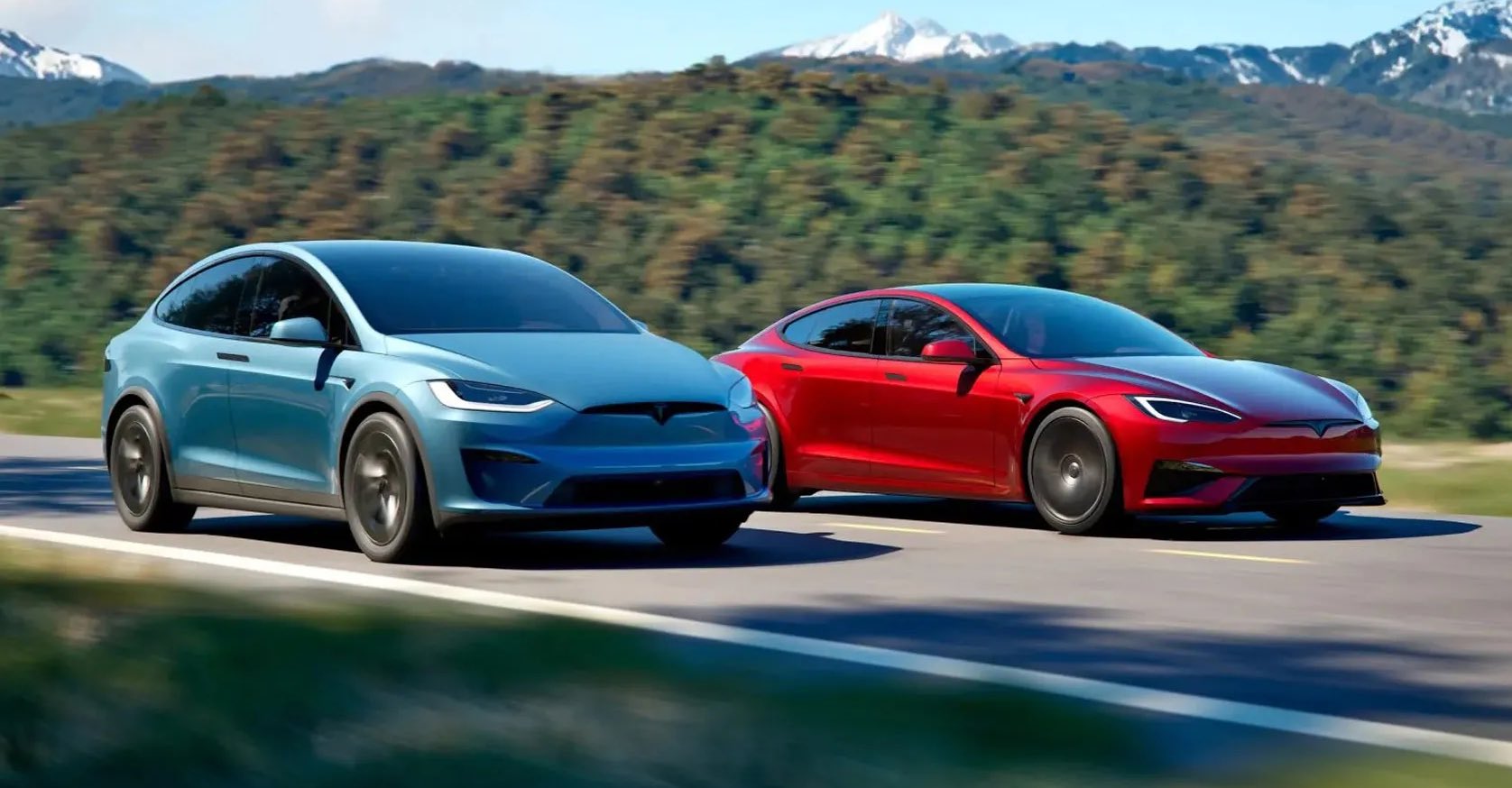
The most immediate signal of change is the planned discontinuation of the Model S and Model X. These vehicles, which forged Tesla's premium brand identity and proved EVs could be desirable, will cease production by the end of 2026. This move is not a failure but a deliberate consolidation. Resources dedicated to these lower-volume, complex vehicles will be entirely redirected toward scaling the high-volume Model 3 and Model Y platforms and accelerating the development of the next-generation, low-cost vehicle platform. The era of Tesla as a niche luxury maker is conclusively over, making way for its ambition as a scalable mobility and technology titan.
Capital on the Line: Billions Pledged to the AI Moonshot
The financial commitment behind this pivot is breathtaking. Musk announced a planned $10 billion increase in capital expenditures for 2026, overwhelmingly targeted at AI infrastructure, Dojo supercomputer expansion, and Optimus robot production capacity. This staggering sum underscores a core belief: Tesla's ultimate value lies not in vehicle margins alone, but in creating a generalized real-world AI system. The company is betting that its unique dataset from millions of fleet vehicles, coupled with unprecedented computing power, will yield an AI stack applicable to autonomous driving, humanoid robotics, and beyond, creating a moat far wider than any automotive competitor can match.
This reallocation comes with acknowledged short-term pain. Musk warned that automotive gross margins may face pressure over the next 18 months as this titanic investment cycle ramps up. The message to Wall Street was clear: traditional auto metrics will temporarily take a backseat to technological milestones. Success will now be measured in exaflops of computing power, neural net training progress, and Optimus unit economics, as much as in quarterly delivery numbers.
Implications for Tesla Owners and Investors
For Tesla owners, this AI-centric future promises continuous, over-the-air evolution of their vehicles' capabilities, but also signals a more focused product lineup. The investment in Full Self-Driving (FSD) and the AI driver will accelerate, but patience will be required as the company navigates this capital-intensive transition. For investors, the contract has been rewritten. Tesla is no longer a simple EV stock; it is now a high-risk, high-reward bet on Musk's vision of an AI-powered economy. Volatility will likely increase as the market grapples with valuing a hybrid automotive/AI/robotics entity. The coming years will test whether Tesla's audacious gamble can transform nascent AI projects into the primary engines of growth, fundamentally redefining what the company—and perhaps the industry—is capable of.