In a stark reversal of its once-unstoppable momentum, Tesla has reported a precipitous 46% drop in annual profit for 2025, a figure that lands with particular force following years of CEO Elon Musk's bold promises of sustained 50% annual growth. This financial downturn, detailed in the company's latest earnings report, is compounded by a critical and concerning trend: sales have fallen for a second consecutive year. The results signal a profound inflection point for the electric vehicle pioneer, moving it from a phase of hyper-growth into a more challenging era of market saturation, intense competition, and strategic recalibration.
A Perfect Storm of Market Pressures
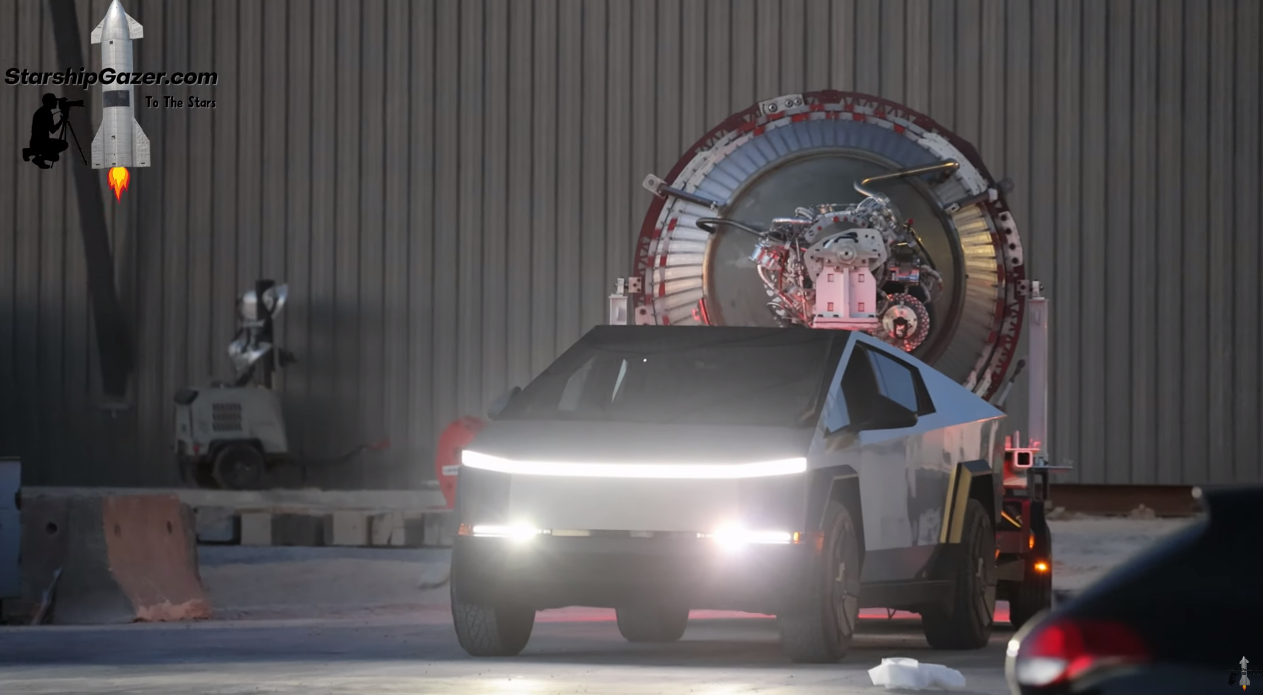
The dramatic profit contraction is not the result of a single failure but a confluence of powerful headwinds. Tesla is navigating an increasingly crowded global EV landscape where legacy automakers and new Chinese rivals are aggressively competing on price and features. This has forced Tesla into multiple rounds of price cuts throughout 2024 and 2025 to defend market share, severely eroding its once-industry-leading automotive gross margins. Simultaneously, the company is in a period of massive capital expenditure, funding the development of its next-generation platform, the Cybertruck's production ramp, and projects in artificial intelligence and robotics—investments that are crucial for the future but are weighing heavily on current profitability.
The Growth Promise Meets Reality
For years, Elon Musk's ambitious target of 50% compound annual growth served as a guiding star for investors and a benchmark for Tesla's dominance. The consecutive annual sales declines make it clear that this target is now squarely on hold. Analysts point to a maturation of the early-adopter market for premium EVs, alongside slower-than-expected adoption in some key regions and potential consumer hesitation amid a wave of new models. The growth shortfall raises fundamental questions about demand for Tesla's current lineup and underscores the urgent need for its promised lower-cost model to tap into a more expansive market segment and reignite volume growth.
Beyond external factors, Tesla's strategy is undergoing a significant and controversial pivot. Musk has increasingly framed the company not just as a carmaker, but as a leader in artificial intelligence and robotics, staking future value on technologies like full self-driving (FSD) software and the Optimus humanoid robot. While this long-term vision is ambitious, the 2025 financials highlight the tangible cost of this transition. Resources are being diverted from the core automotive business at a time when it requires intense focus to fend off competition, potentially creating a gap between the futuristic narrative and the immediate financial reality facing the company.
Implications for Owners and the Investor Thesis
For Tesla owners, the financial pressure may translate into a mixed bag. On one hand, competitive pricing could make vehicles and services more accessible. On the other, intense cost-cutting could impact customer service experiences or the pace of certain vehicle improvements. For investors, the 2025 report is a watershed moment that demands a reevaluation of the investment thesis. The stock's valuation has long been predicated on explosive growth and industry-leading margins; the 46% profit drop challenges both pillars. The focus will now intensely shift to Tesla's ability to successfully launch its affordable model, achieve a technological breakthrough in autonomy, and prove that its non-automotive ventures can evolve from costly R&D projects into meaningful profit centers. The era of unquestioned dominance is over, replaced by a critical test of execution and adaptation.