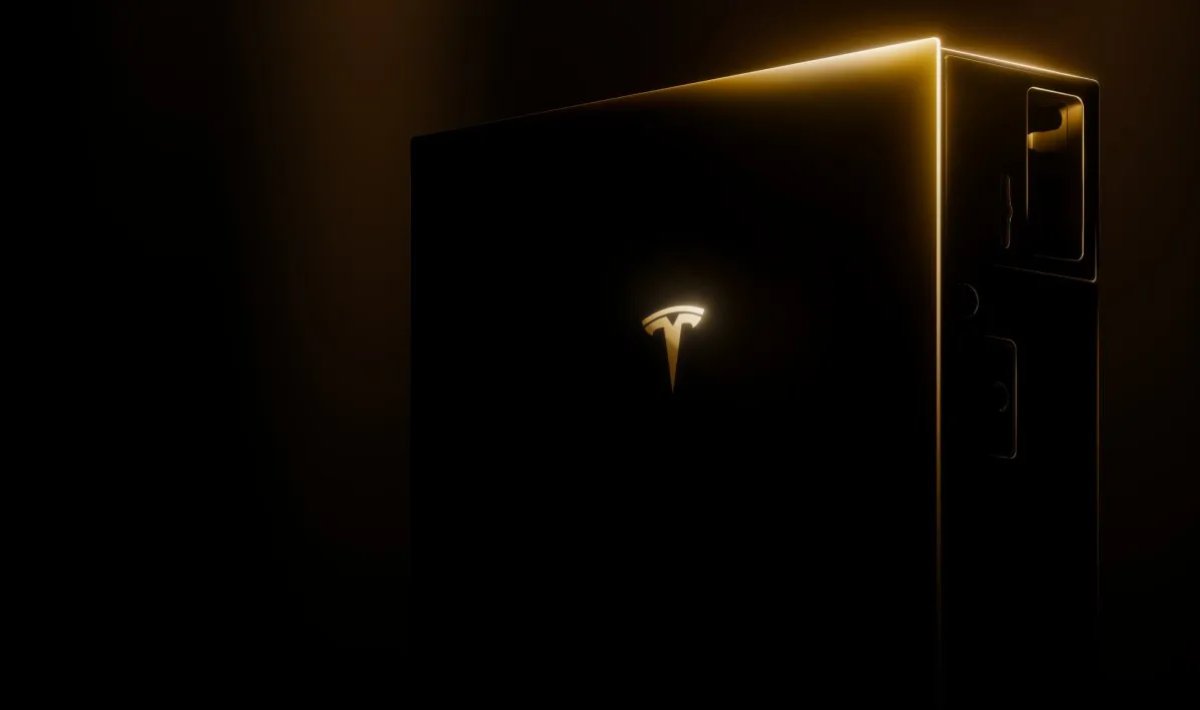
In a strategic move to solidify its dominance in the European energy ecosystem, Tesla has unveiled a pivotal new product tailored for one of its most critical markets. The company has officially launched the Tesla Powerwall 3P in Germany, a three-phase variant of its latest home battery designed to seamlessly integrate with the continent's standard electrical infrastructure. This isn't just a new SKU; it's a calculated engineering response to a fundamental technical requirement, unlocking the full potential of Tesla's solar and storage solutions for millions of European homes and businesses.
The Technical Imperative: Why Three-Phase Matters
Unlike the single-phase power common in North American residences, much of Europe, including Germany, Austria, and Switzerland, relies on three-phase power for homes, especially those with higher energy demands from electric vehicle chargers, heat pumps, or large appliances. The standard Powerwall 3, while a global product, is optimized for single-phase setups. The new Powerwall 3P is engineered specifically to connect across all three phases, ensuring balanced power distribution and maximum compatibility. This technical adaptation is non-negotiable for performance and safety, allowing Tesla to offer its full-stack energy system—solar roof or panels, Powerwall, and software—without compromise to the continent's most demanding customers.
Beyond the Battery: A Complete Energy Ecosystem Play
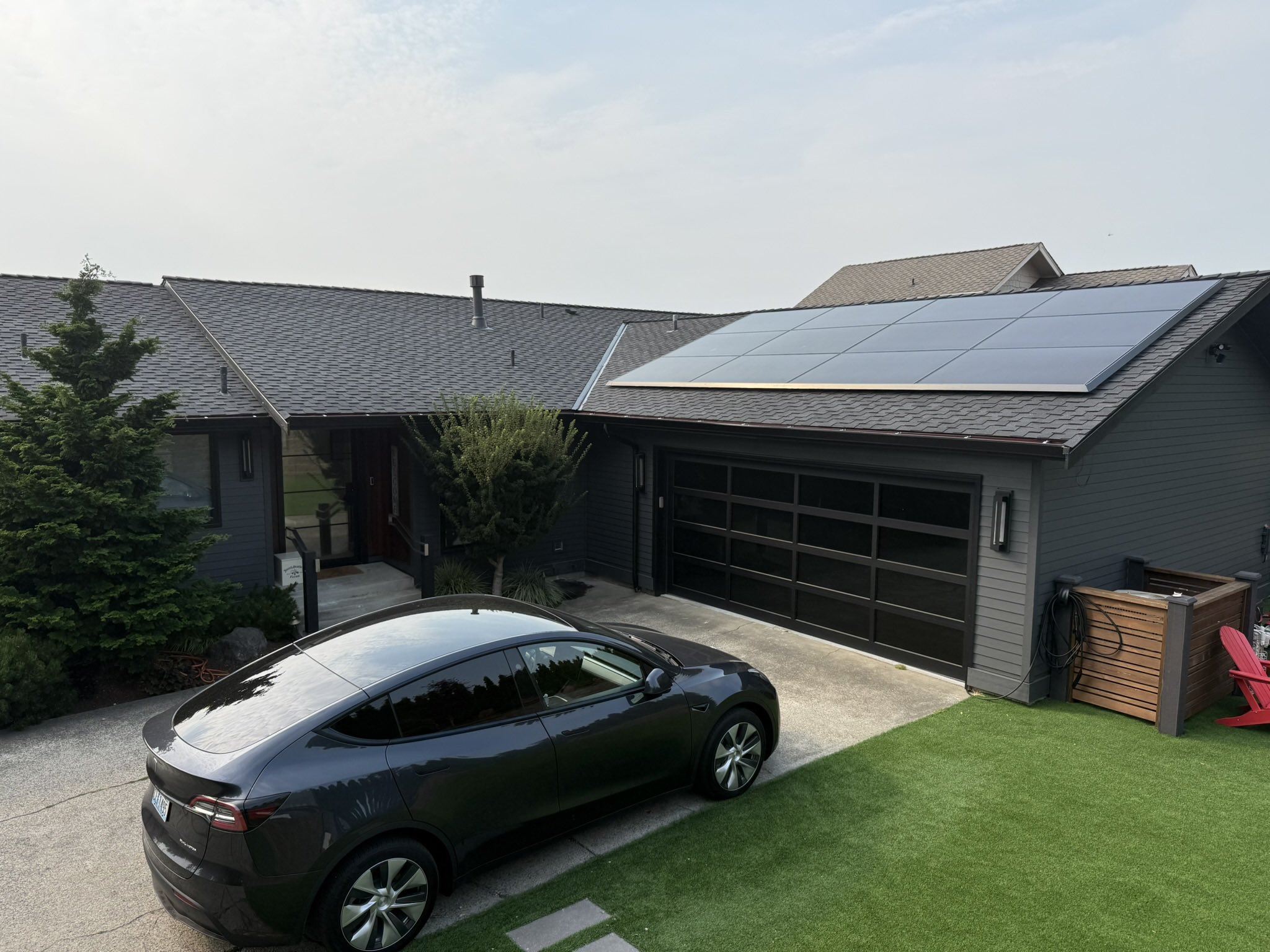
The launch is far more than a hardware update; it's an enabling move for Tesla's broader energy ambitions. By solving the three-phase puzzle, Tesla can now aggressively market its integrated renewable ecosystem to a vast new segment. German homeowners can pair multiple Powerwall 3P units with Tesla's solar offerings to create a robust, self-sufficient microgrid capable of powering an entire household and multiple EVs. This positions Tesla not just as an EV maker, but as a comprehensive energy resilience provider, a crucial value proposition in a region historically concerned with energy security and rising electricity costs.
Analysts see this as a direct challenge to entrenched European energy storage brands and a key step in scaling Tesla's energy division. The German market, with its high adoption of renewables and progressive energy policies, serves as the perfect beachhead. Success here provides a blueprint for rapid rollout across the continent, leveraging Germany's influence in European technical standards and consumer trends.
Implications for Tesla Owners and Investors
For prospective Tesla energy customers in Europe, the Powerwall 3P is the missing link. It eliminates the technical barriers and complex workarounds previously needed, making installation simpler, more efficient, and certifiable under local regulations. This translates to faster adoption and a smoother customer experience. For existing Tesla EV owners, it enhances the appeal of creating a fully Tesla-powered home, where their car is charged by their own solar-generated, battery-stored electricity.
Investors should view this targeted product localization as evidence of Tesla's matured, strategic approach to its energy business. It demonstrates a deep understanding of global market nuances and a commitment to the capital-intensive work required for long-term growth. As Tesla Energy scales with such tailored solutions, its margin profile and revenue stream become increasingly significant, diversifying the company's earnings beyond automotive and providing a powerful hedge against cyclical car sales.