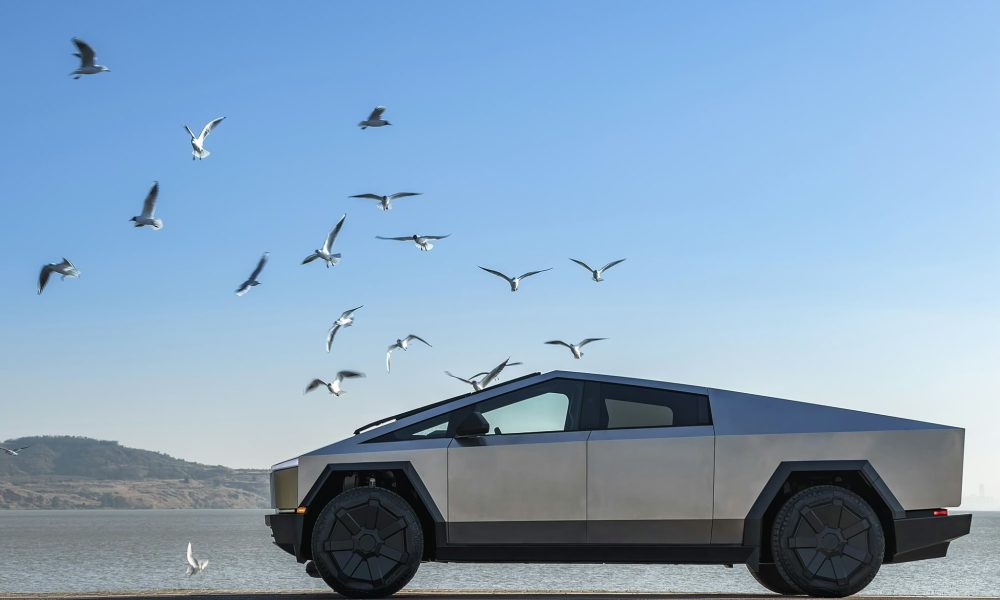
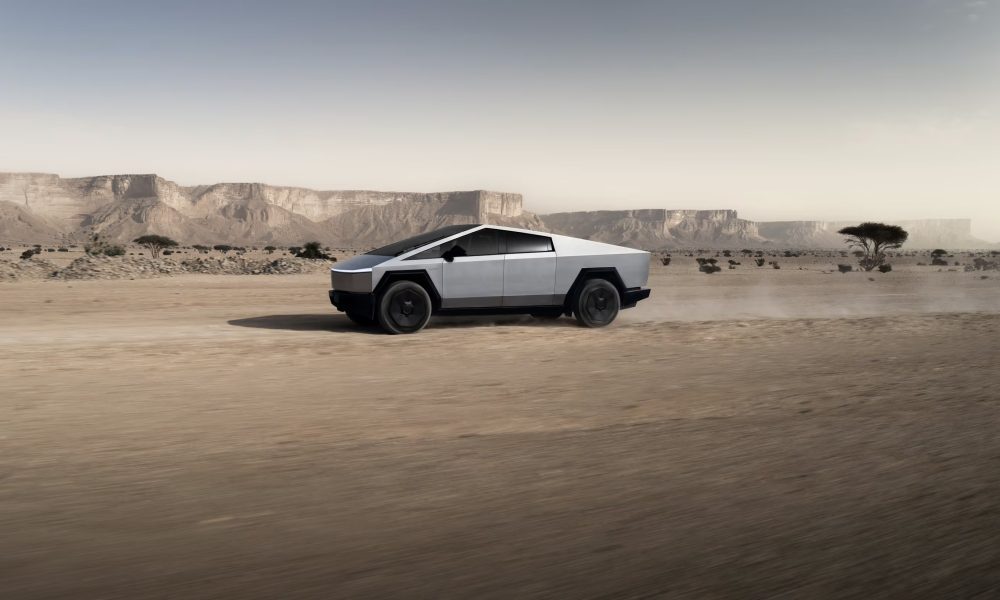
In a move that could redefine long-distance electric towing, a newly published Tesla patent reveals a sophisticated engineering solution to one of the EV industry's most persistent challenges: range anxiety while hauling heavy loads. The patent application, filed in August 2024, details a dual-battery management system designed to seamlessly integrate an auxiliary battery pack with a vehicle's primary pack. Most intriguingly, it explicitly describes a configuration where this extra power source is housed within a towed trailer, effectively creating a mobile, on-demand range extender.
Beyond the Cybertruck: A Persistent Engineering Vision
The patent's timing is particularly revealing. It was filed months after Tesla officially cancelled the much-anticipated bed-mounted range extender for the Cybertruck. This indicates that while the specific product was shelved, the core technological vision was not. Tesla's engineering team appears to have pivoted, continuing to develop the underlying architecture for auxiliary power. The patent suggests a more flexible approach, decoupling the extra batteries from the truck's bed and placing them in a trailer. This could offer greater utility, allowing owners to use the trailer for cargo when extra range isn't needed, or to potentially rent a "battery trailer" for occasional long-haul trips.
How the Dual-Battery "Range Extender Trailer" Would Work
The patent goes far beyond a simple concept, outlining a complex and intelligent power management system. The core innovation is a controller that would manage energy flow between the vehicle's primary battery, the trailer's auxiliary battery, and the vehicle's drive units. Crucially, the system is designed to prioritize using the trailer's battery first, preserving the health and charge of the main vehicle pack. It would also handle the intricate dance of regenerative braking, deciding how to recapture energy and distribute it between the two packs efficiently and safely while in motion.
This system addresses significant technical hurdles. Towing drastically increases aerodynamic drag and weight, slashing an EV's range—sometimes by 50% or more. A trailer-based extender directly counteracts this penalty by adding both energy capacity and, potentially, even its own motors or wheels to share the propulsion load. The patent contemplates a "smart" connection that goes beyond a standard trailer light plug, likely requiring a high-voltage link for substantial power transfer, turning the trailer into a true mechanical and electrical extension of the vehicle.
Implications for Tesla Owners and the EV Market
For current and future Tesla owners, particularly those with a Cybertruck or any electric truck, this patent signals a potential game-changer. It offers a plausible path to confident long-haul towing for boats, campers, or equipment, unlocking duties that are currently the domain of diesel pickups. For investors, it underscores Tesla's methodical, long-term approach to solving hard problems through systemic innovation rather than one-off products. The shift from a bed-mounted pack to a trailer-based system reflects a strategic flexibility, exploring multiple avenues to dominate the electric truck and towing segment.
However, a patent is a blueprint, not a promise of production. Practical challenges around trailer cost, weight, availability, and regulatory compliance remain. Yet, this filing confirms that Tesla's engineers are actively working on holistic solutions for electric vehicle range. If realized, a "range extender trailer" could not only bolster Tesla's utility appeal but also establish a new accessory ecosystem, further integrating the company's energy and automotive divisions and setting a new standard for what is possible with an electric vehicle.