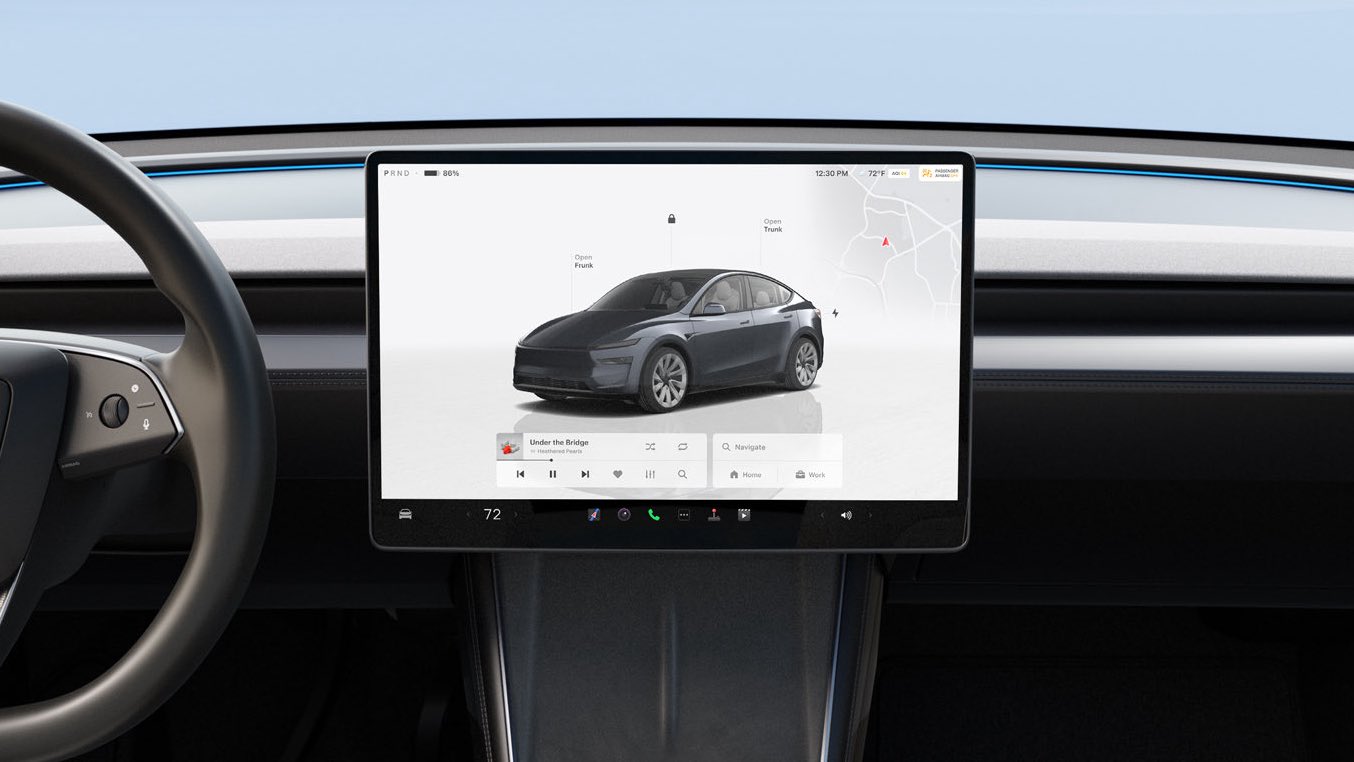
In an era where brand loyalty is increasingly intertwined with the personal conduct of its CEO, a surprising and deeply personal story has emerged from the Tesla community. One owner has come forward with a candid confession: they sold their beloved Tesla Model Y not due to any fault of the vehicle, but because of mounting social pressure and disapproval of Elon Musk. This decision, driven by the court of public opinion rather than engineering or experience, has led to profound regret, highlighting a new and complex social dynamic affecting premium electric vehicle ownership.
The Pressure to Conform: When Social Circles Dictate Driveways
The owner, who shared their story anonymously, described a gradual erosion of enjoyment. Their Model Y was praised for its performance, efficiency, and technology—a perfect fit for their daily needs. Yet, at social gatherings, the vehicle became a lightning rod for criticism aimed squarely at Elon Musk. Friends and acquaintances would consistently pivot conversations from the car's capabilities to Musk's controversial public statements and political views. The owner found themselves constantly in a position of defending their choice, a tiresome exercise that eventually soured the entire ownership experience. The social tax, it seemed, outweighed the benefits of the electric vehicle itself.
The Grass Isn't Greener: The Reality of Life After Tesla
Succumbing to this pressure, the owner sold the Model Y and transitioned to a different brand's EV. The regret was almost immediate. They quickly encountered the realities that Tesla's vast Supercharger network and seamless software integration had previously rendered invisible. Road trip planning became a chore, reliant on less reliable third-party charging networks. The user interface felt clunky in comparison, and the overall ecosystem lacked the cohesive, over-the-air update-driven evolution they had taken for granted. The replacement car was a capable EV, but it was merely a car, not the connected, constantly improving platform they had left behind.
This narrative underscores a significant shift in consumer behavior. For a growing segment, purchasing a product is now a political or social statement. Tesla, with its CEO as its undeniable and vocal figurehead, sits squarely in the center of this trend. The company's vehicles are not just assessed on their 0-60 mph acceleration or safety ratings, but also on the latest headlines from its chief executive. This creates a unique challenge for Tesla, where customer satisfaction can be decoupled from product satisfaction by forces entirely outside its engineering department's control.
For Tesla owners and investors, this story is a poignant case study. It reveals a non-financial risk factor: brand sentiment volatility directly tied to its CEO. While core automotive strengths like battery technology, manufacturing cost, and software prowess remain critical, the "Musk factor" can influence retention rates in unpredictable ways. For owners, it's a reminder to critically separate the artifact from the architect. The value of a product is inherent, and social pressure is a fleeting currency. For investors, it highlights the importance of Tesla continuing to build such overwhelming product and ecosystem advantages that, for most, they remain irresistible despite any external noise—making the car, not the controversy, the ultimate talking point.


