![Tesla Opens New Supercharger in Sherbrooke [Quebec]](https://driveteslacanada.ca/wp-content/uploads/2026/01/sherbrooke-supercharger.jpg)
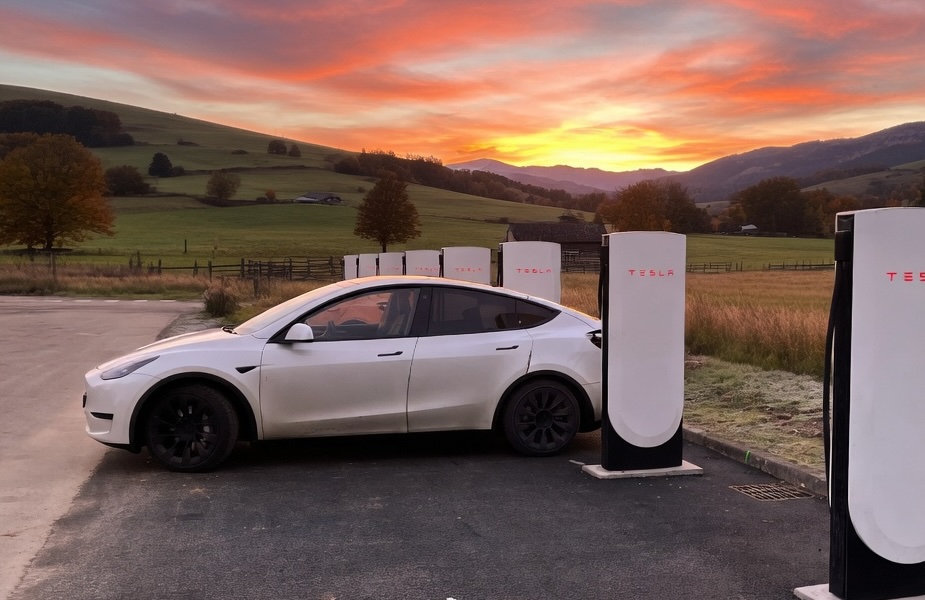
For electric vehicle drivers navigating Quebec's scenic but charging-sparse Eastern Townships, a significant infrastructure gap has just been closed. Tesla has officially energized a new Supercharger station in Sherbrooke, marking a strategic expansion of its high-speed charging network into a key regional hub. This deployment directly addresses range anxiety for travelers and residents alike, strengthening the connective tissue for EV adoption beyond major metropolitan centers.
Strategic Location for Regional Connectivity
The new station is strategically situated at 4700 Boulevard de Portland in Sherbrooke, a prime location for both local residents and travelers traversing the region. Sherbrooke serves as the commercial and cultural heart of the Eastern Townships, a popular tourist destination where charging options, particularly of the 250 kW V3 Supercharger variety, have been limited. This installation provides a crucial waypoint for journeys between Montreal, the Quebec-United States border, and deeper into the Townships, effectively turning a previously challenging EV corridor into a more practical route.
Beyond Tesla: The NACS Momentum Builds
While immediately benefiting Tesla owners, this opening carries broader significance for the entire electric vehicle landscape. Following Tesla's lead, the North American Charging Standard (NACS) connector is being adopted by virtually every major automaker. This means the Sherbrooke Supercharger, like all new Tesla stations, is future-built to eventually serve a wide array of EV brands. This move isn't just about filling a map dot for Tesla; it's about laying foundational, interoperable infrastructure that will support the impending wave of EVs from Ford, GM, Rivian, and others in a critical region.
The expansion into Sherbrooke is a clear signal of Tesla's dual focus: densifying its network in existing markets while methodically eliminating charging deserts. For Quebec, a province aggressively pushing zero-emissions vehicle mandates, this public-private alignment is essential. Reliable fast-charging infrastructure is the linchpin for mass EV adoption, transforming electric vehicles from urban commuters into viable vehicles for comprehensive regional travel and tourism.
For Tesla owners and investors, the implications are tangible. Owners in Quebec and neighboring regions gain increased route flexibility and reduced trip planning stress, enhancing the overall ownership experience. For investors, each new station represents both an incremental revenue stream and a reinforcing moat. As more automakers join the NACS ecosystem, Tesla's sprawling, reliable Supercharger network transitions from a competitive advantage into an industry utility, potentially unlocking a vast, high-margin services business that other companies will pay to access.