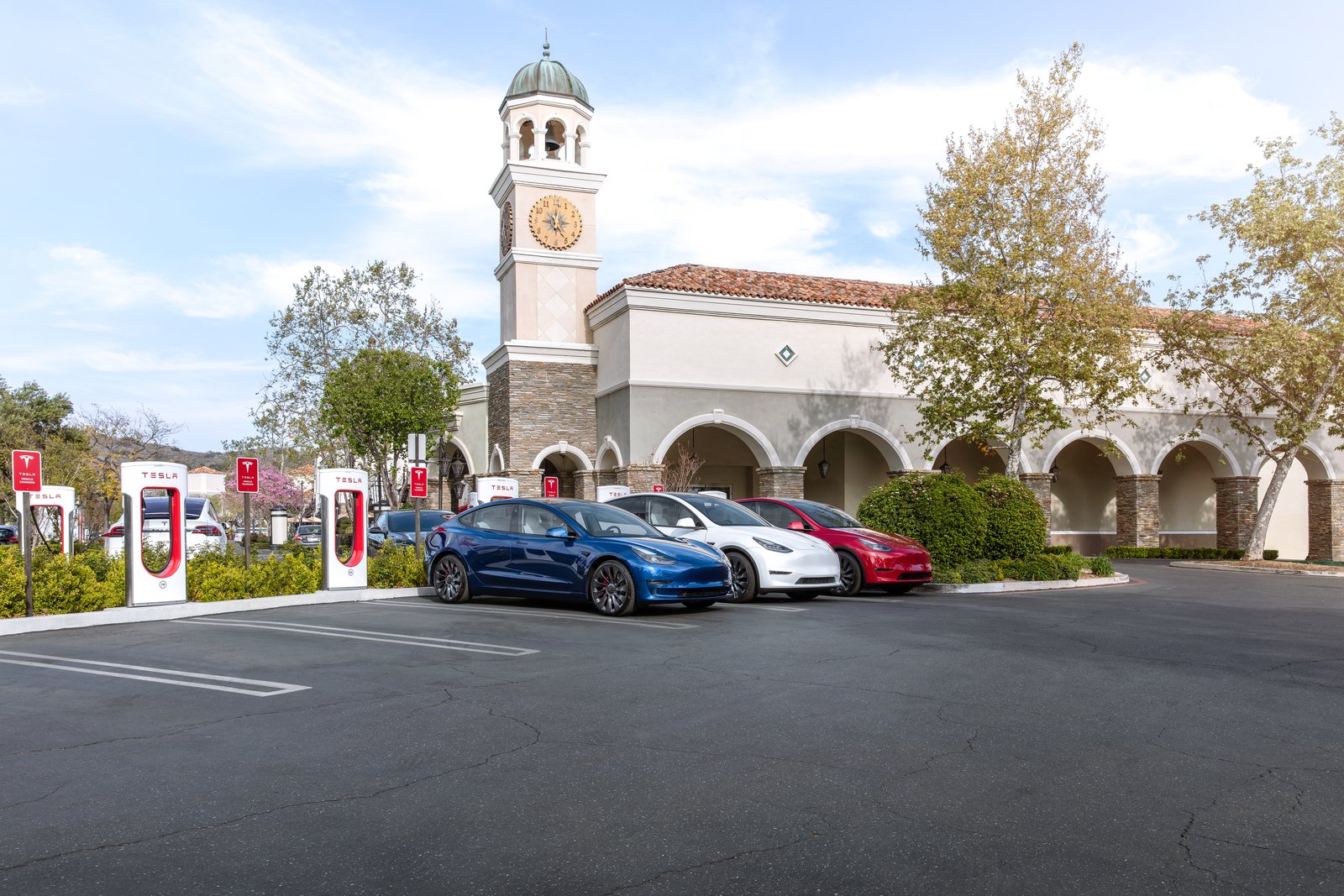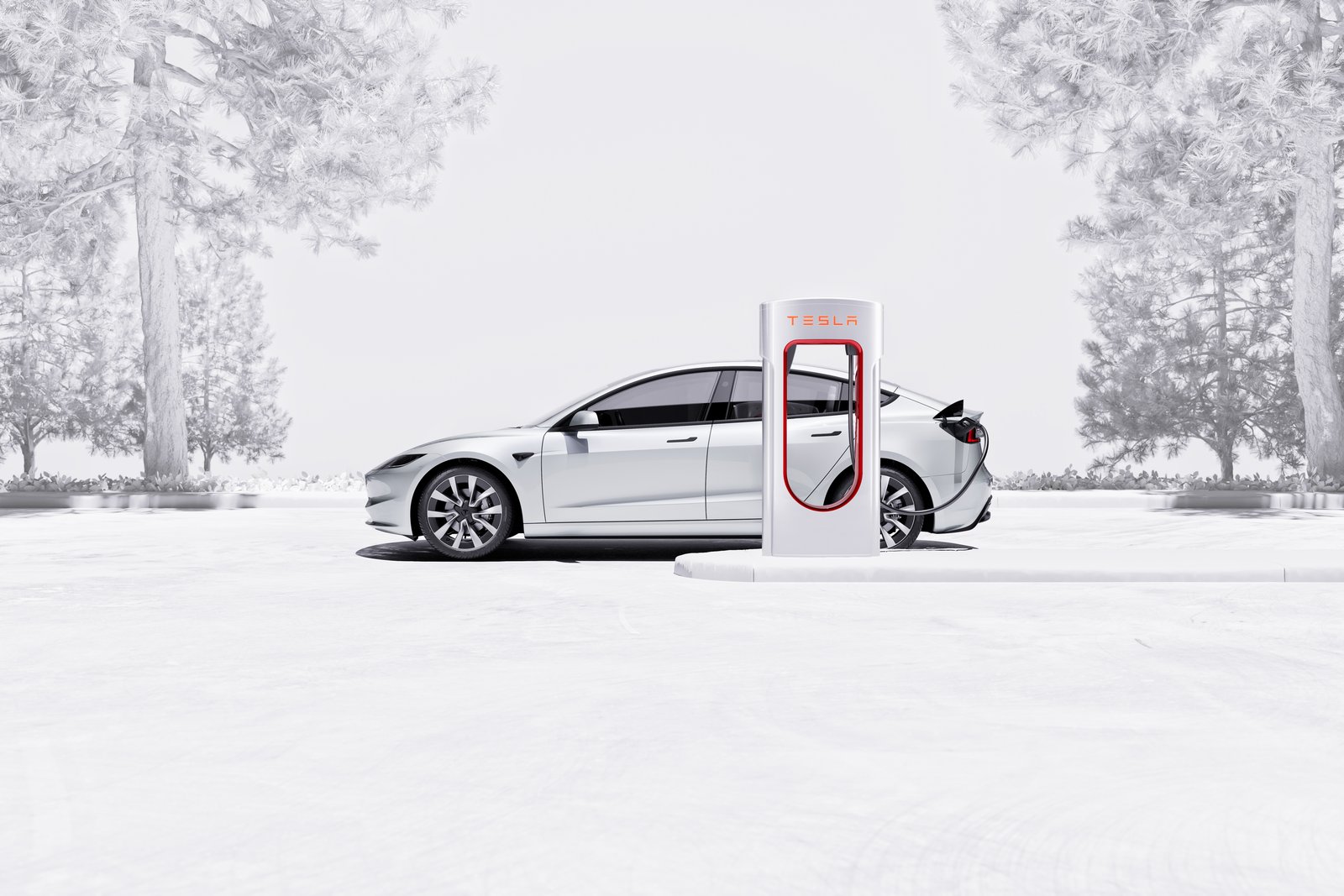
Tesla has switched on its first true V4 Supercharger in South Korea, and the numbers set a new bar for the country's EV charging scene. The site delivers up to 500 kW per stall, a pace that can turn a short coffee break into a serious range top-up for any electric vehicle willing to plug in.
A Milestone for Fast Charging in Korea
The new station packs 16 stalls and marks the first installation in the market built around Tesla's latest-generation V4 hardware. Earlier Korean sites relied on older Supercharger technology, so this opening represents a genuine step up rather than a simple expansion.
The 500 kW peak output is the headline figure. It is well above the speeds most drivers currently see on public networks, and it positions Tesla to compete directly with the fastest high-power chargers operating in the country. Actual speeds will still depend on each vehicle's battery architecture, temperature and state of charge. Even so, the infrastructure now exists to support them.
Open to Non-Tesla EVs
The station also supports non-Tesla EVs. That matters in a market where competition among charging operators is intense and where domestic and imported brands share the same roads. By opening V4 stalls to other manufacturers' vehicles, Tesla widens its customer base and boosts utilization of each stall.
Higher utilization strengthens the economics of the network. Charging revenue from non-Tesla drivers helps justify further build-out. It also puts the Supercharger brand in front of drivers who may be weighing a future Tesla purchase, since the experience of a fast, reliable session is a powerful marketing tool.
What It Means for Owners and Investors
For Tesla owners in South Korea, the benefits are practical. Faster sessions and 16 stalls at one location should mean shorter waits and more flexibility on long trips. Compatible vehicles will gain the most, while others will still benefit from reduced congestion elsewhere on the network.
For investors, the opening signals continued commitment to Asia-Pacific infrastructure and a willingness to monetize the Supercharger network beyond Tesla's own fleet. Watch how quickly Tesla replicates this V4 format across other Korean sites. A rapid rollout would reinforce charging as a competitive advantage, supporting vehicle demand and adding a growing, high-margin revenue stream.