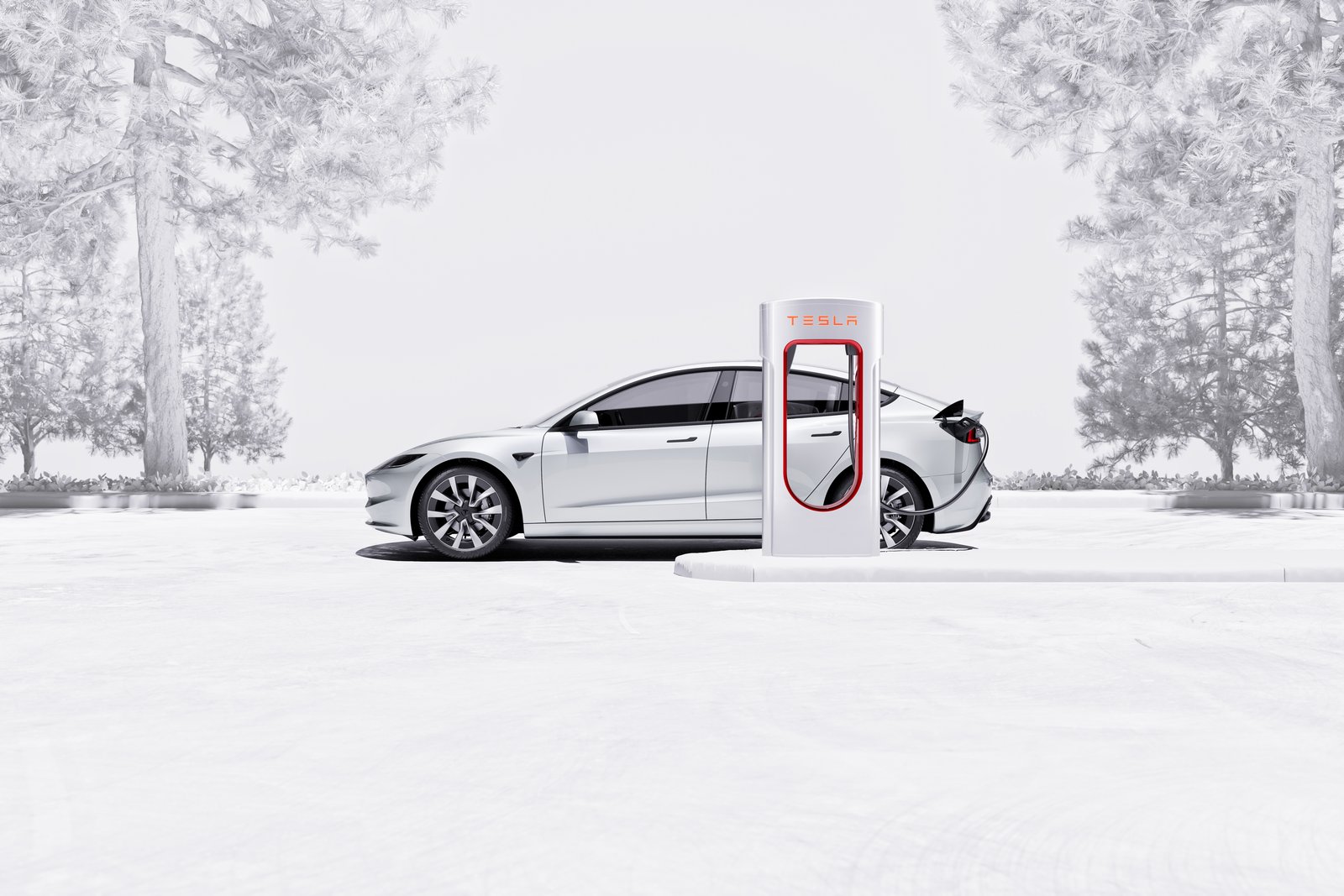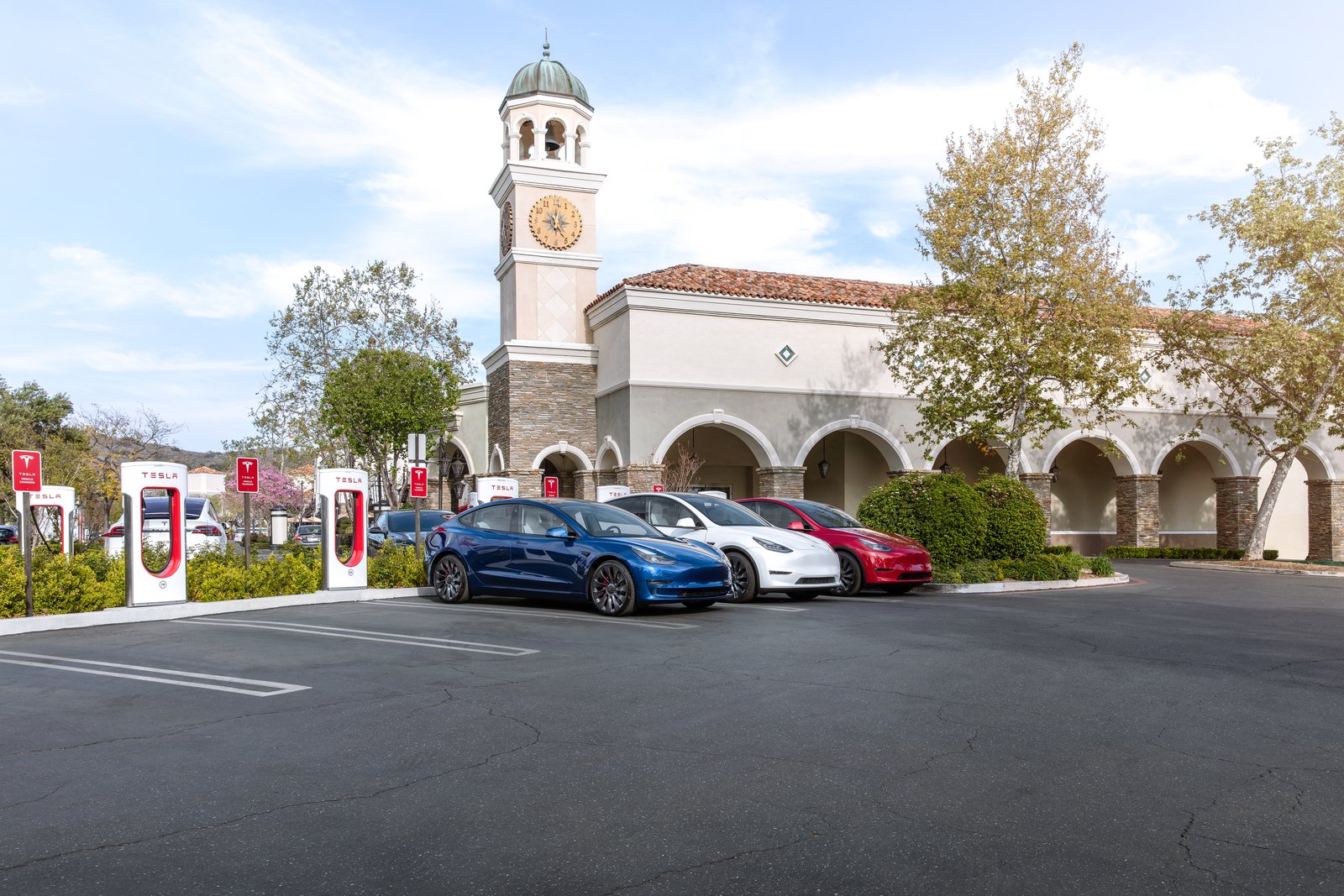
Should you charge your Tesla to 100%? The answer depends on one thing: the chemistry under your floor. Tesla's guidance splits cleanly between two battery types, and mixing them up can mean either needlessly wearing your pack or leaving range on the table. Here is what the owner's manual says, and how to apply it to your car.
What the Tesla manual actually says
Tesla's guidance is simple. For cars with NMC (nickel-manganese-cobalt) batteries, the manual recommends a daily charge limit of around 80%. Save 100% for long trips, when you need every available mile. Tesla's advice for these EVs is to charge to the full level shortly before you leave, not days ahead.
The reasoning is chemical. Lithium-ion cells age faster when held at a high state of charge, especially in heat. An NMC pack sitting at 100% for days endures more stress than one cycling between modest levels. Daily use at 80% is a low-cost way to slow that wear.
LFP packs play by different rules
The LFP (lithium iron phosphate) batteries are another story. Tesla's guidance for these packs points owners to the charging screen in the car as the reference. The on-screen charge-limit settings show what Tesla recommends for your specific vehicle, so you do not have to guess from a general rule.
LFP cells tolerate full charges far better than NMC. That is a major reason Tesla uses them in many standard-range electric vehicles. Regular charging to 100% is generally acceptable for these packs. The full charge also helps the battery management system calibrate its range estimate, which can drift when an LFP pack rarely reaches the top.
How to apply this to your car
Start by identifying your battery type. Check the vehicle's specifications in the touchscreen software, your order paperwork, or the model and trim details. Do not assume from the model name alone, because Tesla has offered different chemistries within the same model line, depending on trim, production date, and market.
Then follow the matching rule. With NMC, set the daily limit near 80% and raise it to 100% before a long drive. With LFP, use the recommendation shown on the charging screen and do not worry about charging fully. Whichever you own, avoid leaving the car parked at a full charge for long periods when you can.
For owners, the takeaway is practical: the right habit costs nothing and protects long-term range. For investors, the split shows how Tesla's mixed-chemistry strategy shapes ownership: LFP lowers cost and simplifies daily use, while NMC keeps higher energy density for longer-range trims. Clear charging guidance, delivered in the car itself, reduces confusion, support requests and battery-degradation complaints over the life of the fleet.