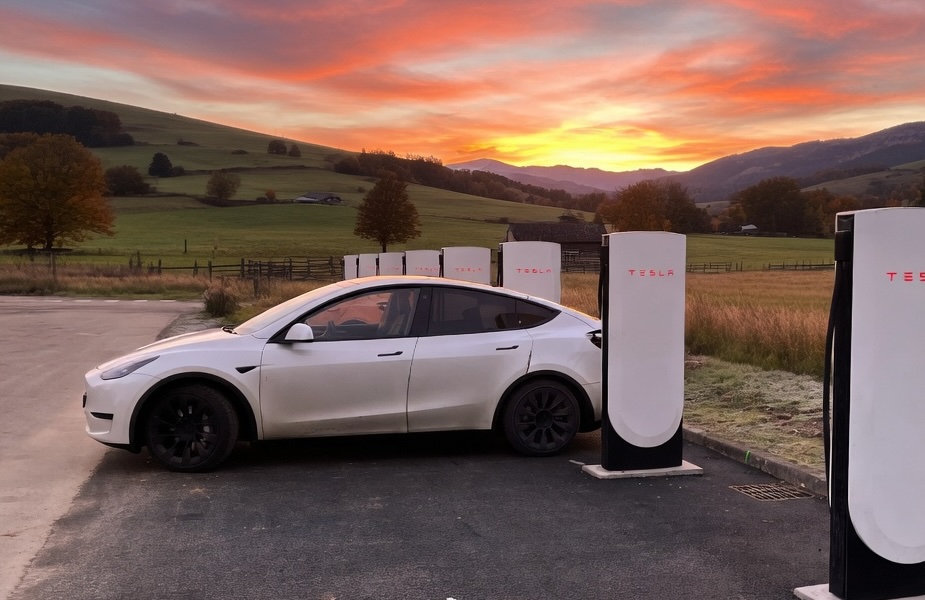
Tesla is reigniting its most compelling promotional tactic, bringing back free Supercharging for a limited time in North America. The offer, available exclusively for new Model 3 Premium and Performance orders, bundles one full year of complimentary access to the company’s vast fast-charging network. This aggressive incentive arrives as the EV market stiffens, aiming to lure buyers back to the brand’s higher-margin trims with a promise of zero-cost long-distance travel for the next twelve months.
Decoding the “~40% Premium” Claim
Tesla didn't just drop a promotional offer; it used the announcement to deliver a pointed jab at non-Tesla EV owners who rely on the Supercharger network. The company stated that these drivers pay a “~40% premium” compared to Tesla owners. While the rhetoric is sharp, available data suggests the real-world gap is slightly narrower. Analysis of current per-kWh rates across various states indicates that non-Tesla users typically face a surcharge of 30-35% when charging at Supercharger stalls. This premium, while still significant, falls short of the 40% figure Tesla touted. The discrepancy likely stems from Tesla averaging in higher-cost, time-of-use rates that affect non-Tesla drivers more acutely.
Strategic Implications and Market Context
This move is a calculated play on two fronts. First, it directly targets range anxiety and the total cost of ownership, two of the biggest barriers for potential EV buyers. By offering a year of free charging, Tesla effectively reduces the effective purchase price of a Model 3 by roughly $600 to $1,200, depending on driving habits. Second, the pricing jab reinforces a key brand narrative: that owning a Tesla is inherently more economical than driving a competitor’s EV, even when using the same charging infrastructure. It subtly reminds owners that the Supercharger network remains a proprietary advantage, not a neutral utility.
The timing is critical. With legacy automakers and new startups flooding the market with EVs that qualify for the Supercharger network via NACS adapters, Tesla is fighting to protect its ~60% market share in the U.S. EV segment. The free charging offer creates a temporary moat, incentivizing buyers to commit to a Tesla before the competition fully integrates with the network’s billing and user experience.
What This Means for Tesla Owners and Investors
For current Tesla owners, this offer signals a potential increase in congestion at popular Supercharger stations over the next year, as new owners take advantage of free sessions. However, it also underscores the enduring value of the network as a strategic asset. For investors, the promotion is a double-edged sword. While it will likely boost Q3 and Q4 delivery numbers, it also compresses margins on the higher-end Model 3 trims. The real test will be whether the free charging hook converts into lasting brand loyalty and service revenue. For non-Tesla EV drivers, the announcement serves as a clear warning: the cost of using the Supercharger network will remain a premium experience, both in price and access, for the foreseeable future. This strategy reinforces Tesla’s core thesis: owning the ecosystem is more valuable than just selling the car.