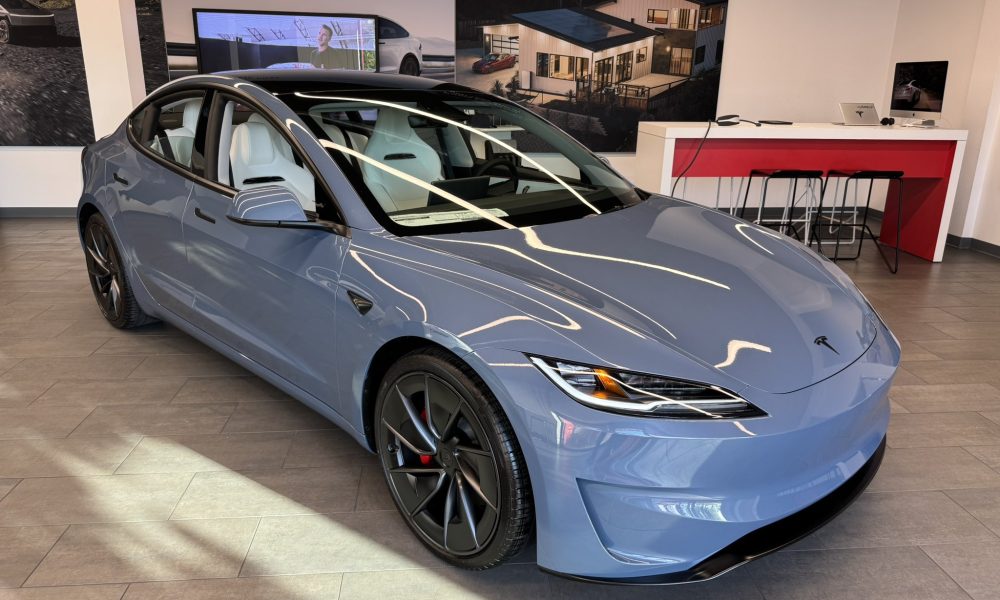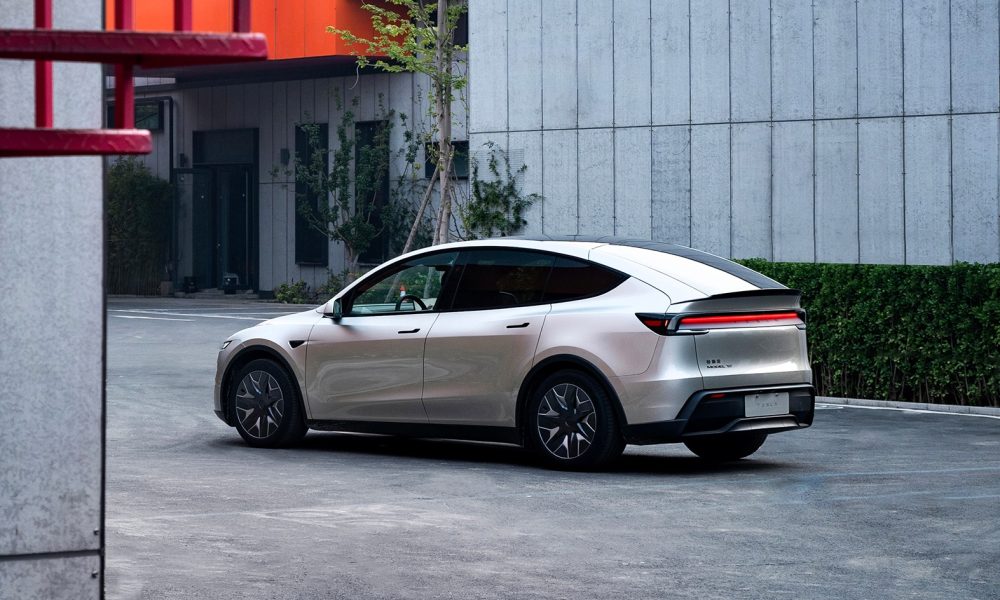
Tesla has once again reshuffled its most popular vehicle's deck, introducing a new, lower-cost All-Wheel-Drive Model Y variant to the U.S. market. This strategic expansion of the Model Y lineup, ostensibly offering more choice, reveals a nuanced and potentially uncomfortable shift in Tesla's market strategy. Rather than a simple celebration of innovation, the move underscores a pivot towards aggressive volume capture in a cooling EV market, where consumer appetite is increasingly dictated by price over pure technological prestige.
The New Entry Point: AWD at a Discount
The newly announced configuration, often referred to as the Model Y Standard Range AWD, slots in below the existing Long Range variant. It achieves its lower price point by utilizing a smaller battery pack with LFP (Lithium Iron Phosphate) chemistry, a cost-effective and durable cell type already common in base Model 3 sedans. This allows Tesla to market a dual-motor, all-wheel-drive SUV—a configuration many consumers desire for its performance and safety—at a price much closer to the rear-wheel-drive version. On the surface, it's a win for budget-conscious buyers seeking AWD capability, but it comes with the trade-off of a reduced estimated range compared to its Long Range sibling.
Signaling a Shift from Scarcity to Saturation
This lineup complexity marks a significant departure from Tesla's longstanding philosophy of a simplified, streamlined product menu. The introduction of a "value-engineered" AWD option signals a fundamental shift from managing production-constrained demand to stimulating interest in a saturated field. With rising competition from both legacy automakers and Chinese electric vehicle brands, Tesla can no longer rely solely on its brand halo. The new Model Y variant is a tactical weapon designed to defend market share by appealing directly to the most price-sensitive segment of the SUV buyer pool, a clear acknowledgment that growth now requires competing on more traditional automotive battlegrounds.
The uncomfortable reality for enthusiasts is that Tesla's evolution into a high-volume manufacturer inevitably dilutes some of its exclusive, cutting-edge aura. The company is now meticulously segmenting the market, using battery chemistry and software-limited range to create tiered pricing. This is a classic automotive industry playbook, one that prioritizes quarterly delivery numbers and broad accessibility over the simplicity and "premiumness" that once defined the brand. For consumers, the benefit is a lower cost of entry, but the experience becomes more transactional, with clearer compromises between price, range, and performance.
Implications for Tesla Owners and Investors
For current and prospective Tesla owners, the expanding lineup presents both opportunity and caution. The new Model Y variant offers a compelling AWD value proposition, but buyers must carefully assess if the reduced range aligns with their needs. More broadly, this move suggests faster depreciation for existing vehicles as newer, cheaper options enter the market, and a potential shift in the perceived value of the Tesla badge. For investors, the strategy is a double-edged sword: it demonstrates agile responsiveness to market pressure and should bolster near-term delivery volumes, yet it also highlights the intensifying competitive pressures and margin sacrifices required to maintain growth. The company's ability to balance this volume push with the launch of truly next-generation products like the Cybertruck and future platforms will be critical in determining its long-term premium positioning.