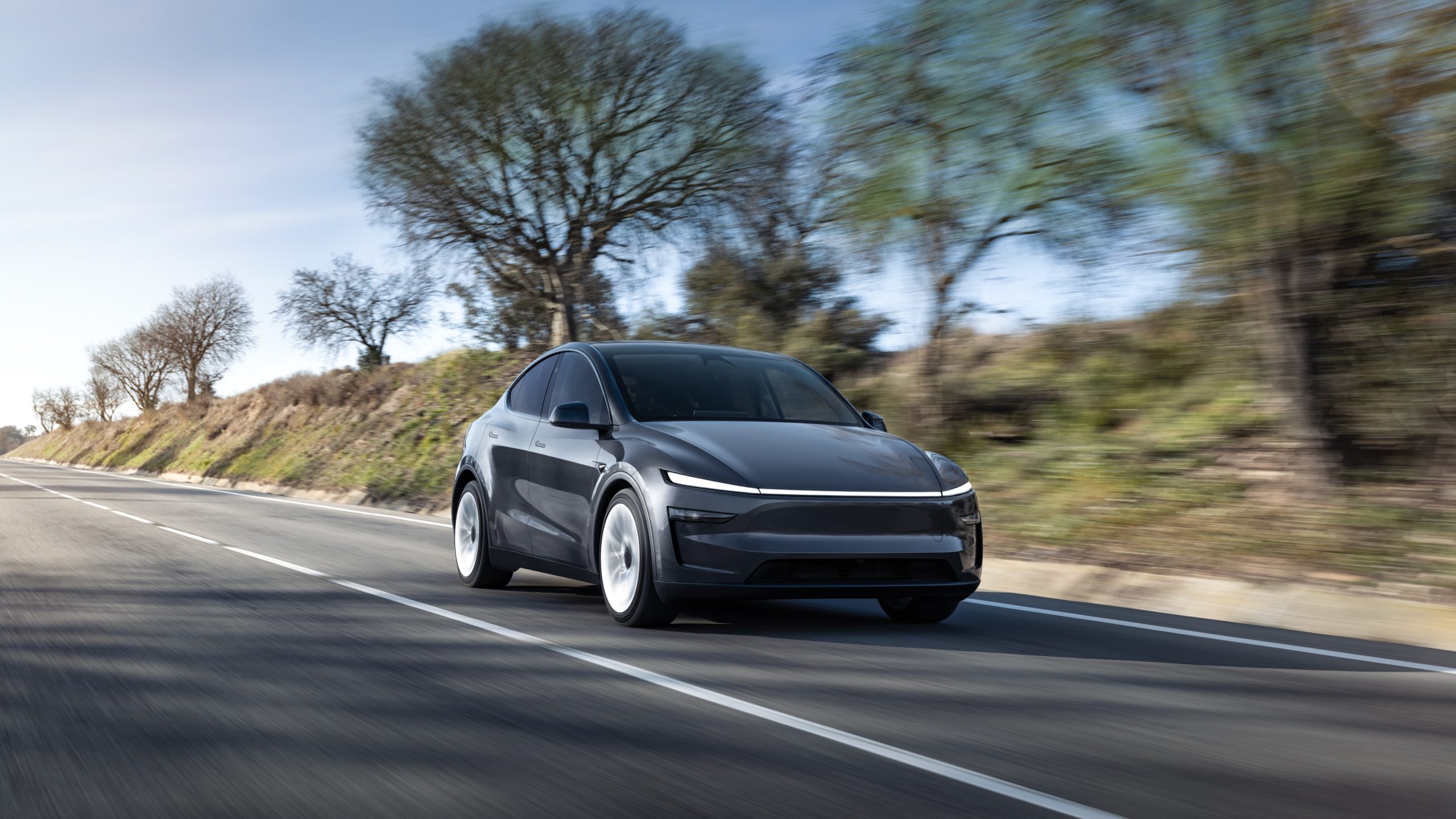
The Tesla Model Y has roared back to the top of the European automotive sales charts, claiming the best-selling vehicle spot for March 2026 after a notably slow start to the year. New registration data reveals a dramatic reversal of fortune for the electric crossover, which had slipped outside the top ten in January and February. The Model Y’s March surge was so powerful that it vaulted the EV to second place overall for the entire first quarter of 2026, signaling a strong demand rebound across the continent despite ongoing economic headwinds and increased competition from legacy automakers.
March Performance: A Commanding Return to Form
The Model Y registered over 28,000 units in March alone, a figure that outpaced every other passenger vehicle in Europe, including popular combustion-engine models from Volkswagen and Toyota. This marks a stunning recovery from a Q1 start that saw Tesla’s flagship model struggle with production adjustments and logistical bottlenecks. Industry analysts point to aggressive pricing strategies and the rollout of the updated “Project Juniper” refresh as key catalysts. The strong March performance effectively erased the deficit from the previous two months, proving that the Model Y remains the dominant force in the European EV segment and a serious contender against traditional petrol and diesel leaders.
Context and Competitive Landscape
The Q1 result places the Model Y behind only the Dacia Sandero, which retained the top spot for the quarter thanks to its ultra-low price point and strong sales in Southern and Eastern Europe. However, the Tesla’s achievement is remarkable given that it is a purely electric vehicle competing in a market where EVs still represent a minority of total sales. The bounce-back also comes as rival manufacturers like Volkswagen, Stellantis, and Renault ramp up their own EV offerings. Yet the Model Y’s combination of range, software, and Supercharger network access continues to give it a decisive edge. Notably, the Model 3 also re-entered the top 20 for March, reinforcing Tesla’s dual-product strength in a region where sedan demand is traditionally lower than in North America.
Implications for Tesla Owners and Investors
For current and prospective Tesla owners, this data confirms that the Model Y’s resale value remains robust compared to other EVs, as sustained high demand supports stronger pricing in the used market. Investors should view the Q1 recovery as a positive signal that Tesla’s European production at Giga Berlin is stabilizing, and that the company can successfully manage demand even without major new model launches. The March surge suggests that the temporary Q1 slump was an operational blip rather than a structural decline. Looking ahead, if Tesla can maintain this momentum through Q2, it will likely challenge for the full-year European sales crown, a feat that would further solidify its position as the leading premium EV manufacturer in the region.