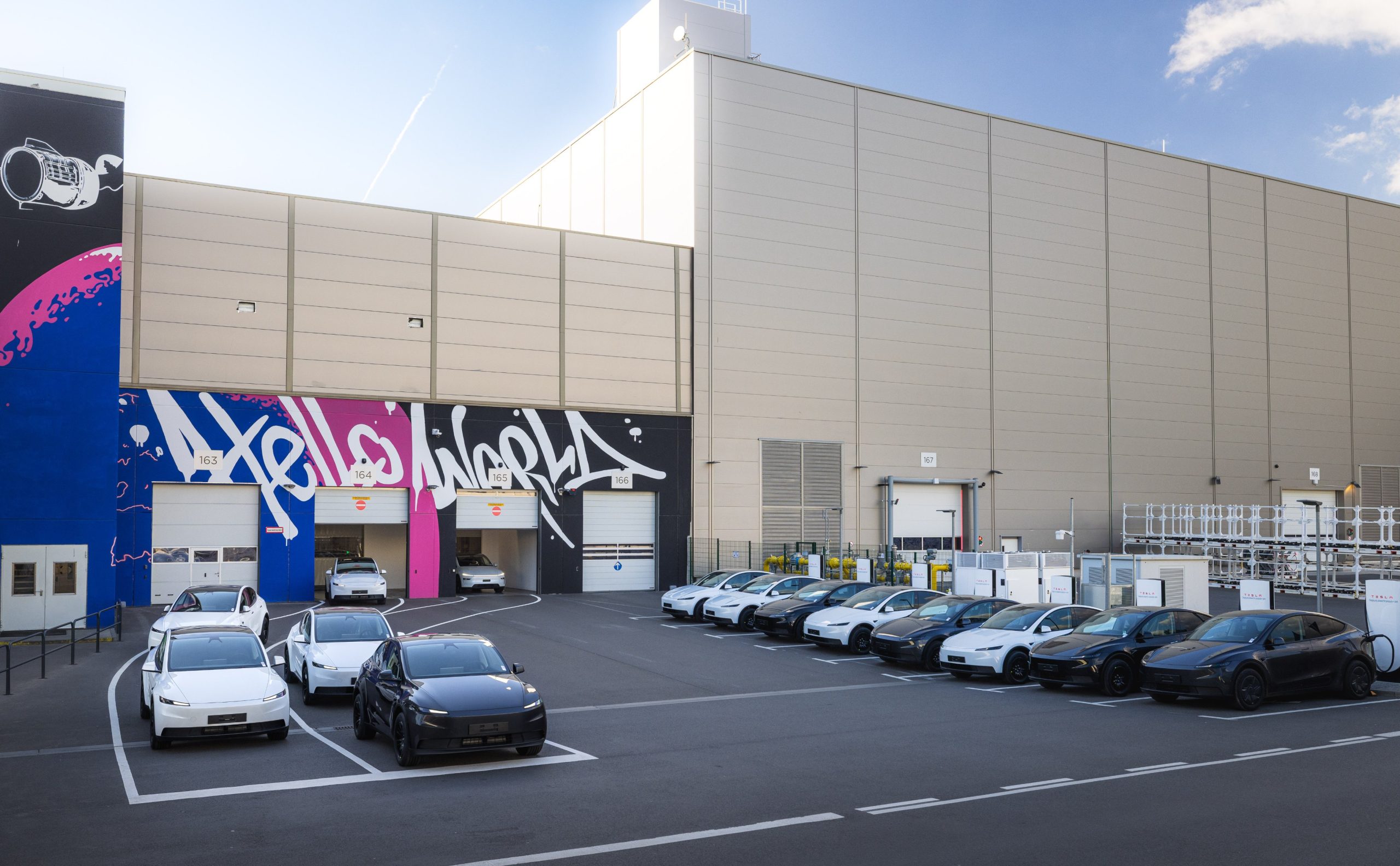
Tesla is making a decisive move to strengthen its European foothold, announcing plans to add 1,000 new jobs at its Giga Berlin factory. The hiring surge comes as demand for the Model Y rebounds across the continent, signaling a strategic ramp-up in production capacity. This expansion marks a critical moment for the automaker’s only European manufacturing hub, which has faced regulatory hurdles and supply chain disruptions in recent years.
Ramping Up for a Demand Rebound
The new positions will focus on boosting Model Y output, Tesla’s best-selling electric vehicle in Europe. With EV adoption accelerating in key markets like Germany, France, and the UK, the company is positioning itself to capture a larger share of the growing electric vehicle segment. The 1,000 new hires will span production, engineering, and logistics roles, ensuring the factory can operate near its 375,000-unit annual capacity. This move directly counters recent production slowdowns caused by component shortages and local permitting delays.
Strategic Implications for Tesla’s European Operations
Giga Berlin has been a linchpin in Tesla’s strategy to avoid import tariffs and reduce delivery times for European customers. By expanding the workforce, Tesla is signaling confidence in the region’s long-term EV demand, despite broader economic uncertainties. The factory’s ability to churn out Model Y units locally also helps Tesla compete with legacy automakers like Volkswagen and BMW, who are rapidly scaling their own EV production. Additionally, the job creation aligns with German government incentives for green manufacturing, potentially easing future regulatory approvals.
The timing is crucial. European EV registrations have climbed 15% year-over-year, driven by stricter emissions regulations and generous subsidies. Tesla’s Model Y remains the top-selling EV in the region, but competition from new entrants like the Volkswagen ID.4 and Hyundai Ioniq 5 is intensifying. Adding 1,000 workers allows Tesla to increase shift frequency and reduce bottlenecks, ensuring it can meet rising order volumes without sacrificing quality.
What This Means for Tesla Owners and Investors
For Tesla owners in Europe, the workforce expansion translates to shorter wait times and improved service availability. Local production also means fewer import-related price fluctuations, making the Model Y more affordable. Investors should view this hiring push as a bullish signal: it demonstrates Tesla’s commitment to scaling production efficiently in a high-cost market. If Giga Berlin can sustain near-capacity output, it will directly boost Q3 and Q4 delivery numbers, a key metric for stock performance. However, risks remain, including potential labor disputes in Germany’s unionized auto sector and energy cost volatility. For now, the 1,000 new jobs underscore Tesla’s aggressive bet on European EV dominance—a bet that could reshape the continent’s automotive landscape.