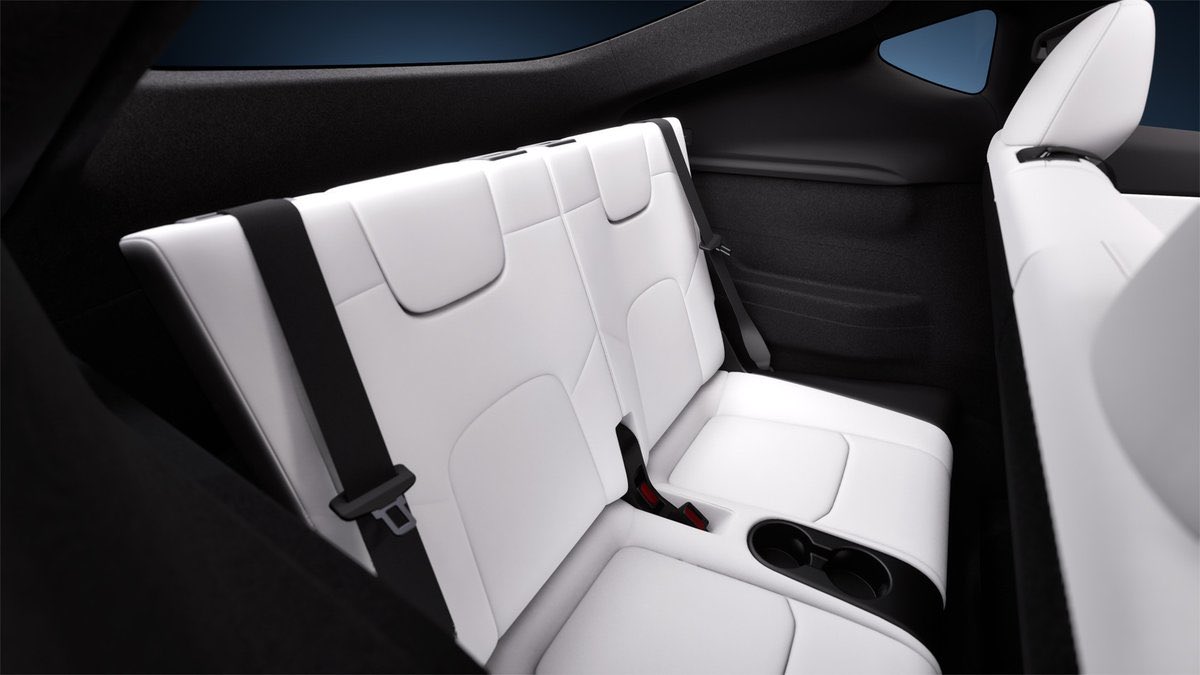
After months of anticipation and speculation, European families now have a compelling new electric option for their growing needs. Tesla has officially launched the long-awaited seven-seat configuration for its best-selling Model Y, bringing a pivotal third row to the continent for the first time. This move directly addresses one of the most frequent criticisms of the compact SUV—its limitation to five seats—and positions Tesla to capture a significant segment of the family vehicle market that had previously looked elsewhere.
A Strategic Expansion for the European Market
The seven-seat option is exclusively available on the Model Y Long Range All-Wheel Drive variant, requiring an additional purchase of approximately €2,500 to €3,500 depending on the country. Initially a feature exclusive to Tesla's Gigafactory Shanghai output for the Chinese market, its European debut signifies a strategic alignment of global offerings. The third row is designed for flexibility, featuring two fold-flat seats intended for children or occasional adult use, thereby transforming the Model Y from a pure lifestyle vehicle into a pragmatic family hauler without sacrificing its signature cargo space when the seats are stowed.
Competitive Dynamics and Production Implications
This launch fundamentally alters the Model Y's competitive stance in Europe. It now enters direct contention with traditional seven-seat compact SUVs and MPVs, offering a zero-emission alternative with Tesla's superior charging network and software-centric experience. The decision to source these models from Giga Berlin is a critical detail, underscoring the factory's evolving production capabilities and its role in serving regional demand with greater agility. Analysts see this as a calculated move to sustain the Model Y's market dominance by plugging a glaring gap in its portfolio, potentially fending off competition from upcoming electric seven-seaters from European automakers.
For Tesla owners and investors, the implications are multifaceted. Current Model Y owners, especially those with young families, may experience a wave of upgrade envy, while new buyers are presented with a significantly more versatile vehicle. Financially, the option provides Tesla with a higher-margin variant on its most popular platform, potentially boosting average selling prices in a key region. For the brand's ecosystem, adding a seven-seater strengthens its "one car for all needs" proposition, crucial for mainstream adoption. However, all eyes will now be on delivery timelines and real-world reviews of the third-row space, which will ultimately determine if this option becomes a niche accessory or a mainstream must-have for European EV buyers.


