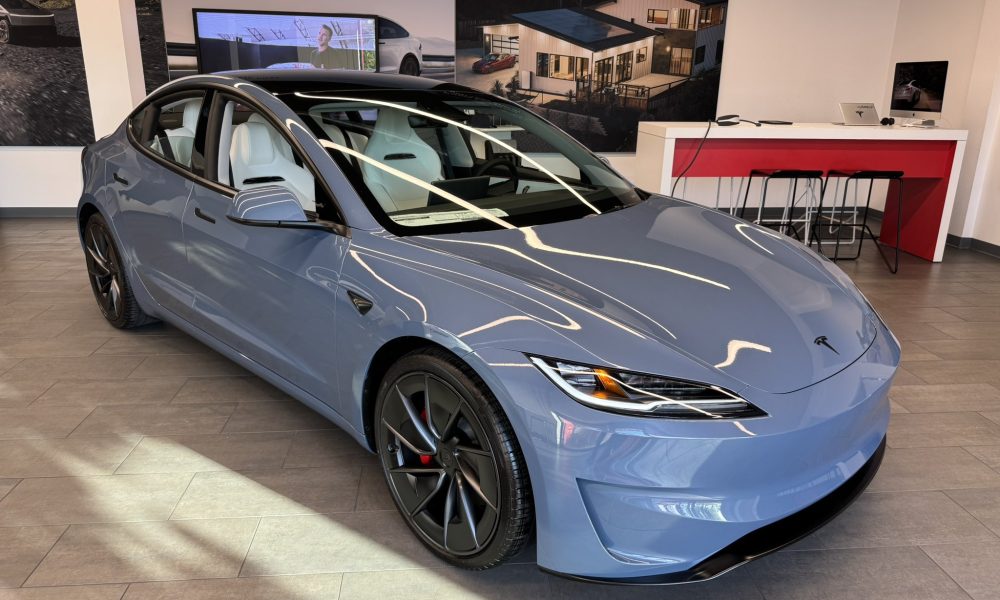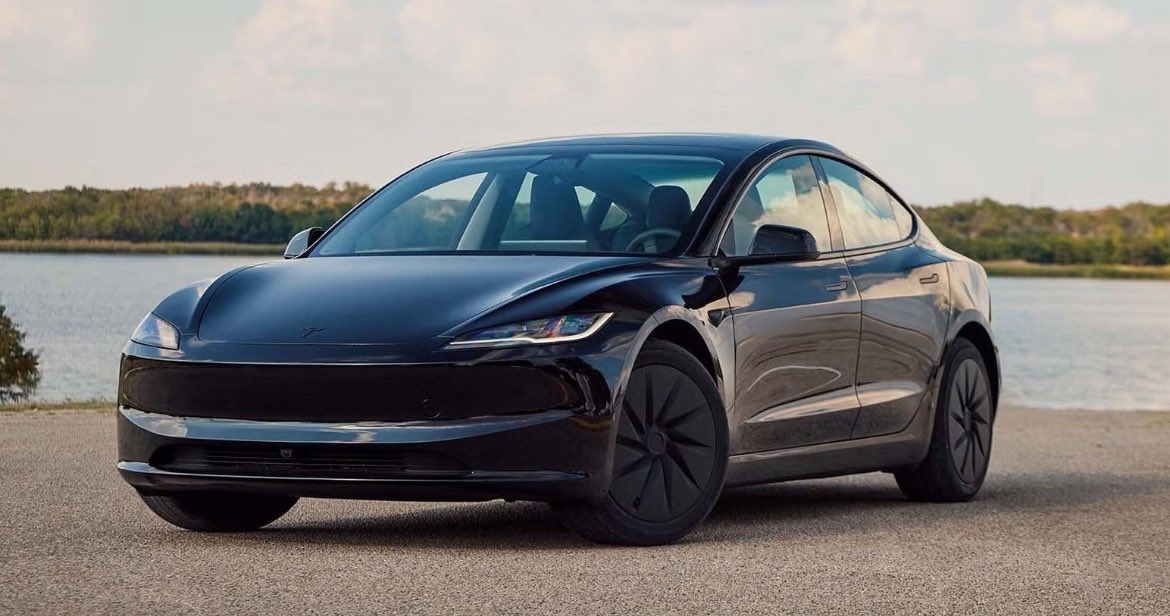
In the world of automotive performance, the sprint from 0 to 60 mph remains the definitive, visceral benchmark that separates the quick from the mundane. While rivals often compete on the softness of leather or the intricacy of headlight design, Tesla has relentlessly focused on a metric that delivers an undeniable physical thrill. The latest performance data for the refreshed Tesla Model 3 lineup reveals a stunning truth: across its entire range, the sedan has decisively won the spec war before most competitors even left the starting line.
Performance Redefined Across the Board
The narrative isn't confined to a single high-performance variant. The base rear-wheel-drive Tesla Model 3 now achieves 0-60 mph in a remarkable 5.8 seconds, a figure that embarrasses many traditional sports sedans with higher price tags. Stepping up to the Long Range all-wheel-drive model drops that time to a blistering 4.2 seconds. However, the crown jewel remains the Performance variant, which rockets to 60 mph in a supercar-rivaling 2.9 seconds. This isn't a minor incremental update; it's a systematic re-engineering of expectations for what an electric vehicle in each price segment should deliver.
The Inherent EV Advantage and Tesla's Execution
While electric powertrains inherently provide instant torque, Tesla's dominance stems from its mastery of the entire system. The company's vertically integrated engineering, from the battery pack and power electronics to the motor design and software algorithms, creates a seamless and brutally efficient transfer of power. Competitors often source components from various suppliers, leading to integration challenges that can blunt the theoretical EV advantage. Tesla's propulsion system is a holistic, in-house masterpiece, optimized over generations to extract maximum performance without compromise. This technical execution is why the Model 3's acceleration feels not just fast, but instantly responsive and consistently repeatable.
This performance supremacy has profound implications for the market. For consumers, it renders traditional comparisons based solely on horsepower or engine displacement increasingly obsolete. The experience of acceleration—the silent, violent shove into the seat—has become Tesla's signature calling card. It forces legacy automakers to play catch-up on a field where Tesla has a multi-year head start in software and powertrain calibration, areas far more difficult to master than interior trim choices.
What This Means for Tesla Owners and Investors
For Tesla owners, this performance lead translates into tangible long-term value. The Model 3 is not merely a fast car for its price; it is a benchmark-setter whose capabilities may remain unmatched by new entrants for years. This cements the vehicle's desirability and helps bolster resale values. For investors, the continued widening of the performance gap is a clear indicator of Tesla's deep and sustainable competitive moat. It demonstrates that the company's focus on core EV technology continues to yield measurable, market-leading advantages that are difficult to replicate. As the EV transition accelerates, Tesla's ability to deliver superior performance at scale remains a powerful pillar of its brand equity and financial thesis.