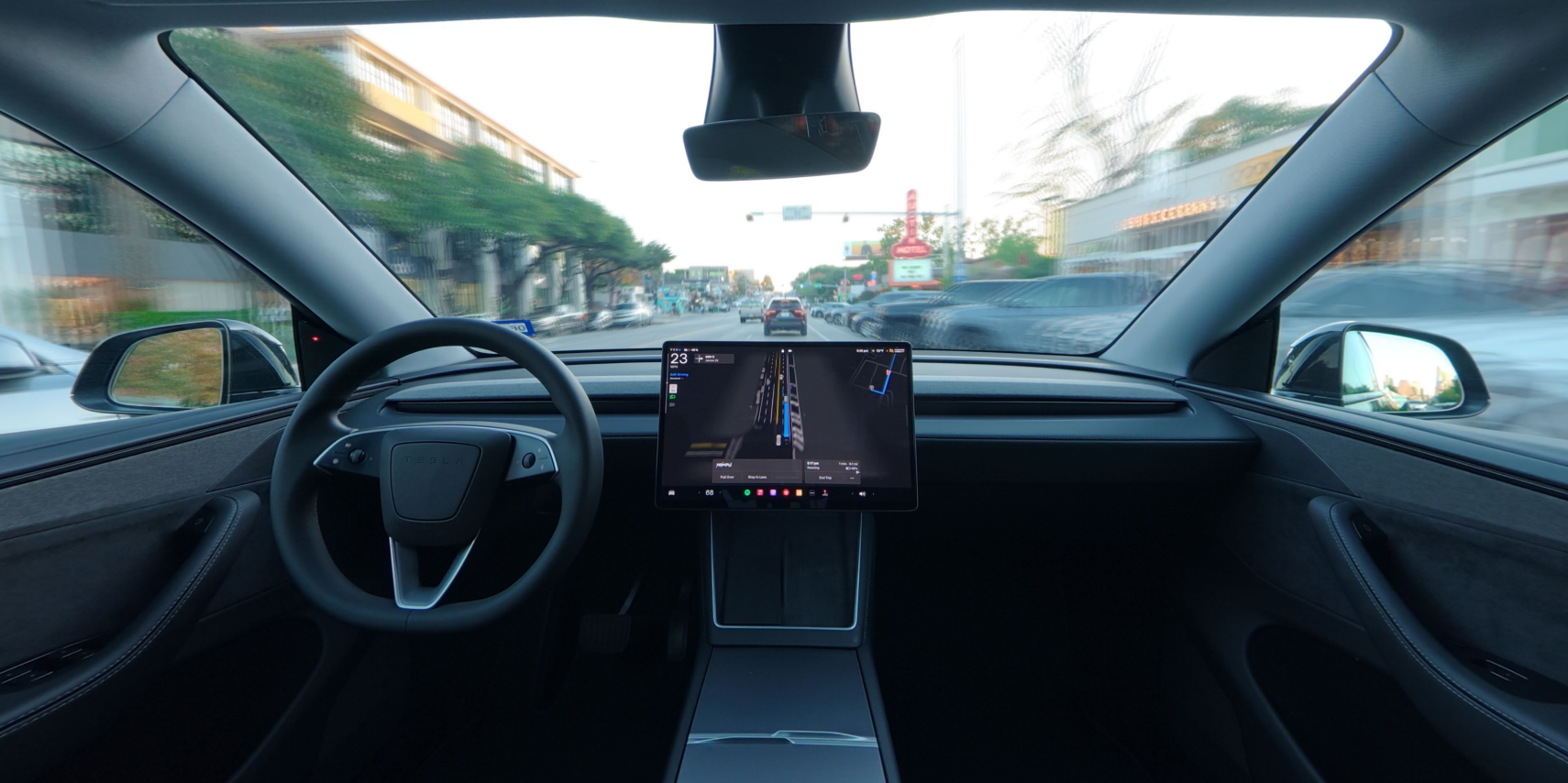
In a move that has caught both prospective buyers and industry watchers by surprise, Tesla has significantly tightened the eligibility rules for its coveted Full Self-Driving (FSD) capability transfer program. This eleventh-hour policy shift, enacted just days before the March 31 deadline, abruptly excludes customers who have not taken delivery of their new vehicle, leaving many—particularly those awaiting the new $59,000 Cybertruck AWD—facing a costly dilemma. The change underscores the high-stakes value of FSD, a software suite priced at $12,000 or a $199 monthly subscription, and highlights the fluid nature of Tesla's promotional strategies.
A Sudden Shift in Eligibility
Initially, the FSD transfer program was a powerful incentive designed to encourage owners of older Teslas to upgrade to a new vehicle. The offer allowed customers to move their pre-purchased FSD capability from their current car to a new one ordered and delivered within a specified period. The critical change, as confirmed by Tesla representatives and internal communications, is that the new vehicle must be delivered by March 31, 2024, not merely ordered. This closes a loophole many were relying on, especially for vehicles like the Cybertruck where delivery timelines can be uncertain. The policy now explicitly states that "the new vehicle must be delivered by the program end date," making it a race against the clock that many will inevitably lose.
Cybertruck Buyers Caught in the Crossfire
The revised policy has particularly acute implications for the growing ranks of Cybertruck reservation holders. The newly announced Cybertruck All-Wheel Drive model, with its $59,000 price point, has sparked a new wave of orders. However, with delivery estimates often extending weeks or months into the future, these customers now find themselves ineligible for the FSD transfer unless they miraculously receive their truck before the quarter's end. This creates a frustrating paradox: a major incentive is being used to promote a vehicle that cannot physically be delivered in time to redeem it. For these buyers, the choice is stark: forfeit a software asset worth up to $12,000 or scramble to switch their order to an immediately available inventory model, potentially compromising on their desired configuration.
Strategic Implications and Market Calculus
This tactical adjustment is not merely an administrative detail; it's a clear reflection of Tesla's evolving go-to-market strategy and the immense financial weight of FSD. By tightening the deadline, Tesla likely aims to clear existing inventory and boost end-of-quarter delivery numbers, a critical metric for the company's financial reporting. Furthermore, it protects the revenue and perceived value of FSD as a standalone product. Every transferred license represents $12,000 in deferred software revenue. As Tesla continues to refine FSD (Supervised) and approach wider releases, maintaining its premium price point is essential for both the company's bottom line and its narrative as a leader in autonomous technology.
For Tesla owners and investors, this episode serves as a potent reminder. It highlights the substantial, yet volatile, value of the FSD package as both a customer asset and a corporate revenue driver. Owners must recognize that promotional offers from Tesla can change with little warning, requiring swift action. For investors, the move signals a disciplined approach to protecting high-margin software revenue and managing quarter-end logistics. Ultimately, while the policy shift may disappoint some loyal customers, it underscores Tesla's relentless focus on streamlining operations and defending the economic model that makes its industry-leading software development possible.