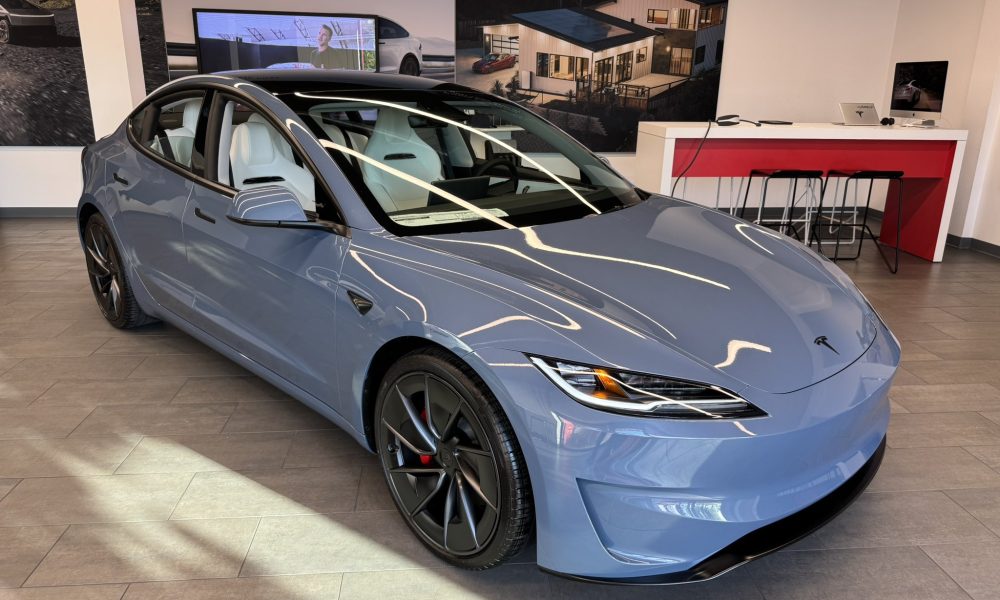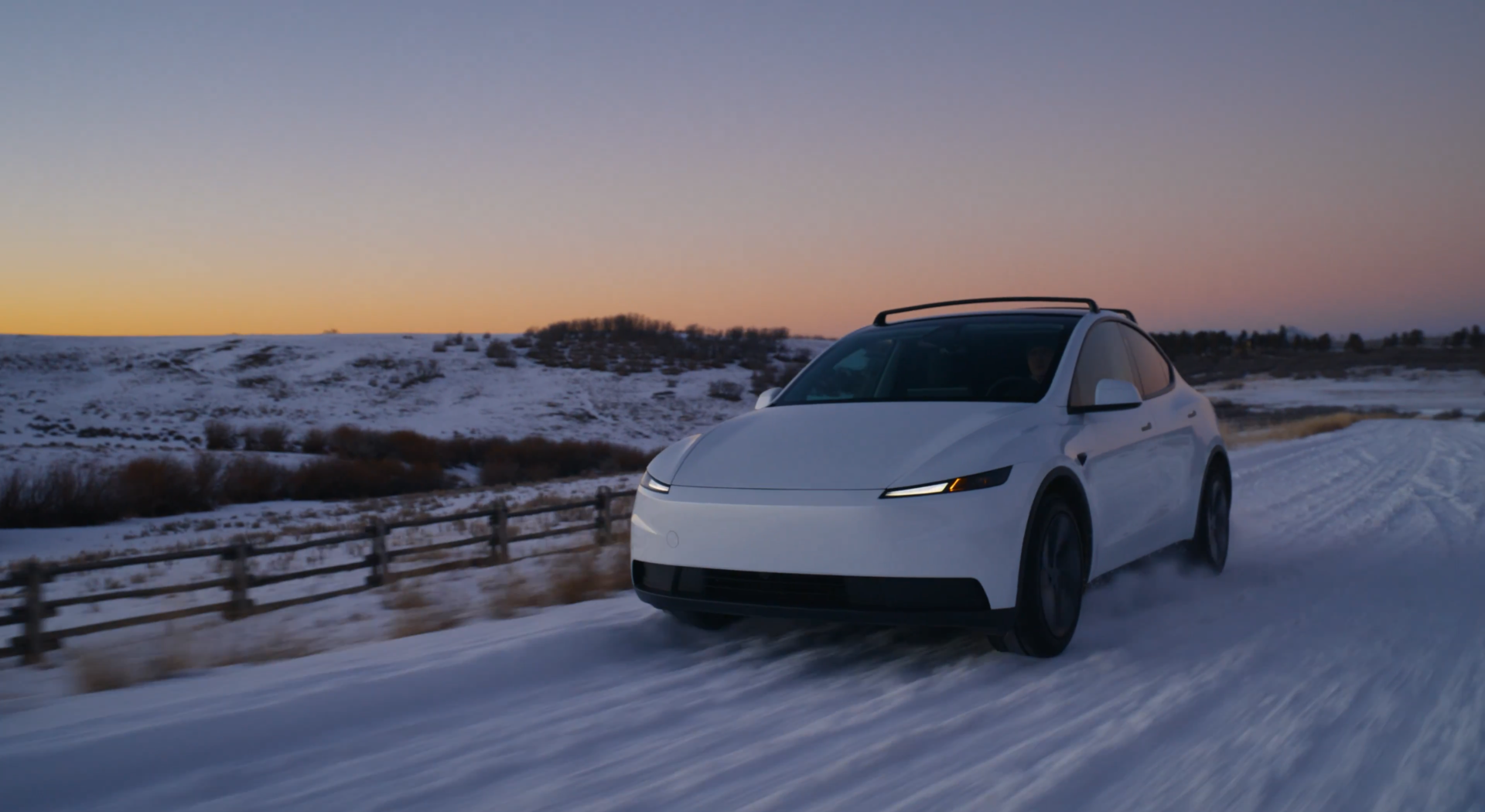
Tesla has executed a strategic reshuffle of its best-selling Model Y lineup in the United States, introducing a new entry point for all-wheel drive capability while streamlining its often-confusing nomenclature. The move sees the debut of a new Model Y All-Wheel Drive (AWD) variant, starting at $41,990, and the elimination of the "Standard Range" designation across the board. This pricing and branding shift arrives as the EV market grows increasingly competitive, positioning Tesla to capture a broader segment of buyers seeking the safety and performance of dual-motor AWD without stepping up to the higher-performance tiers.
A New Entry Point for All-Wheel Drive
The newly listed Model Y AWD slots directly into the space previously occupied by the rear-wheel-drive variant, which has now been removed from the U.S. configurator. For a $2,000 premium over the old RWD's last listed price, customers now gain the added traction, stability, and improved acceleration of a dual-motor setup. Tesla estimates a 0-60 mph time of 5.0 seconds and an EPA-estimated range of 260 miles for this new base AWD model. This calculated move effectively makes AWD the new standard offering for the Model Y in the U.S., aligning with buyer preferences in many regions and potentially simplifying production logistics.
The End of "Standard Range" Naming
In tandem with the new variant's launch, Tesla has continued its trend of simplifying complex trim names. The designations "Standard Range" and "Long Range" have been removed from the consumer-facing configurator. The lineup now consists of the Model Y AWD, the Model Y Long Range AWD, and the Model Y Performance. This shift to cleaner, feature-focused naming (AWD, Performance) reduces potential customer confusion over battery size and shifts the emphasis to driving experience and capability, a branding strategy the company has favored since discontinuing the "Plaid+" nomenclature.
While the new base Model Y AWD offers compelling value, it's important to note that its 260-mile range estimate falls short of the 279 miles previously listed for the discontinued RWD model. This trade-off—slightly less range for the significant benefit of all-wheel drive—will be a key consideration for shoppers. The move reflects Tesla's data-driven approach, likely indicating that the majority of customers prioritize AWD security over a marginal range increase, especially when home charging is accessible.
For Tesla owners and investors, this lineup adjustment is a clear market tactic. It strengthens the Model Y's value proposition against a growing field of electric SUVs by making a core premium feature more accessible. The simplification of trims could lead to more efficient manufacturing and clearer marketing. However, the disappearance of the lowest-priced RWD option may push some budget-conscious buyers to the used market or to competitors, suggesting Tesla is confident in the AWD model's appeal to maintain volume. This refresh underscores Tesla's agile, software-like approach to its vehicle lineup: constantly iterating on price, specification, and branding to optimize demand and production alignment in real time.