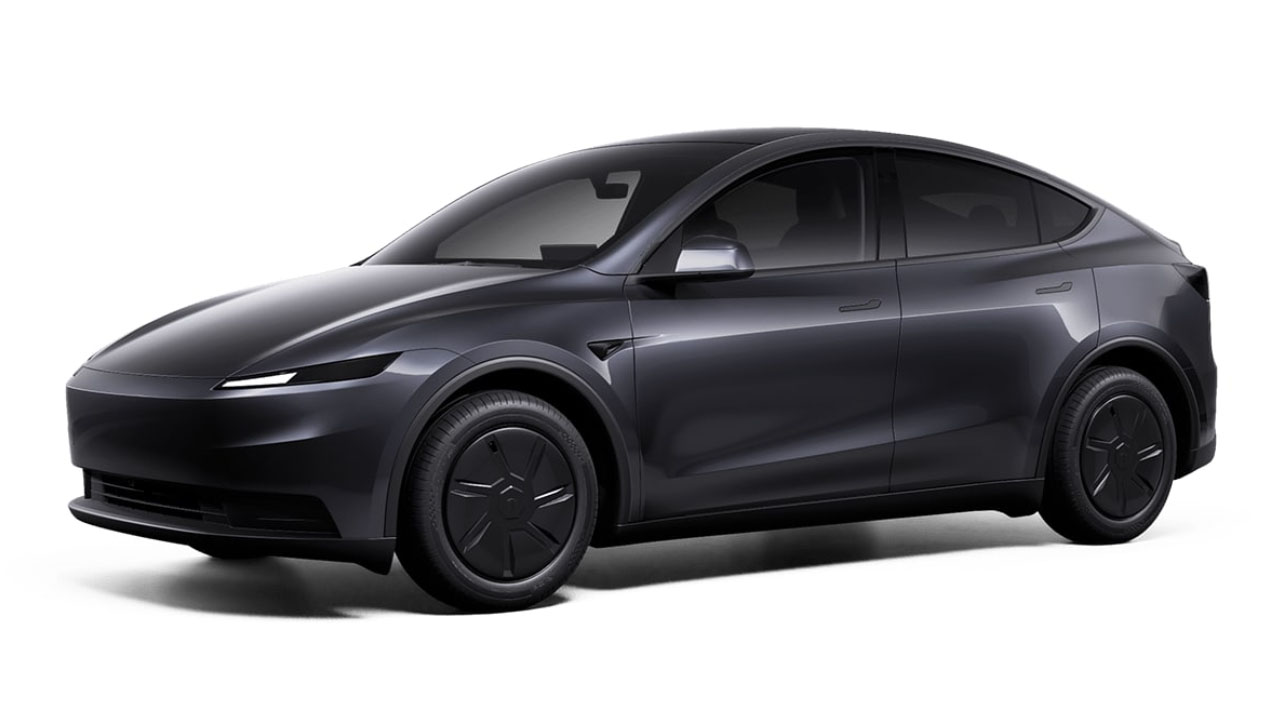
In a strategic move to broaden its market appeal, Tesla has quietly introduced a compelling new variant to its best-selling lineup. The company has launched the Model Y Standard All-Wheel Drive (AWD) in the United States, slotting a fifth configuration into the popular electric SUV's roster. Positioned as a direct upgrade from the base rear-wheel-drive model, this new trim delivers a potent combination of enhanced performance, all-weather capability, and a surprisingly accessible price point, potentially reshaping the competitive landscape for mainstream EVs.
A Value Proposition Engineered for Mass Adoption
Priced at $41,990, the new Standard AWD model sits just $2,000 above the entry-level Standard RWD. For that modest premium, buyers gain a dual-motor AWD drivetrain, a significant boost in acceleration, and the added safety and traction benefits inherent to all-wheel-drive systems. This pricing strategy is a classic Tesla maneuver, creating a compelling "step-up" option that makes the more capable model feel like an undeniable value. It directly targets the heart of the SUV market, where consumers often prioritize AWD for its performance in various road conditions, without pushing the price into luxury territory.
Specifications That Redefine the "Standard" Trim
While Tesla has not released an official EPA range estimate for this specific variant at launch, early indications suggest it will be competitive. The key differentiator, however, lies in performance. The jump from a single-motor to a dual-motor setup provides a substantial improvement in power and off-the-line response, making the driving experience more engaging. This move effectively redefines what customers can expect from a "standard" model, bundling a premium drivetrain technology into a more accessible package. It places immediate pressure on rival automakers whose AWD EV offerings often come with a much steeper price hike over their base models.
The introduction of this variant is a clear reflection of Tesla's agile manufacturing and software-defined vehicle architecture. By leveraging common battery pack and motor configurations across trims, the company can efficiently introduce new model variations to test market demand and fill specific competitive gaps. This flexibility is a core strength, allowing Tesla to respond to consumer preferences—like the high demand for AWD in SUV segments—without the lengthy development cycles typical of legacy automakers.
For Tesla owners and investors, this launch signals a continued focus on volume growth and market segmentation. By offering a more attractive entry point into the AWD Model Y family, Tesla is likely to convert more potential buyers sitting on the fence, further solidifying the Model Y's position as the world's top-selling vehicle. For investors, it demonstrates the company's ability to optimize its product mix and average selling price dynamically, using software and manufacturing prowess to address multiple market segments with a streamlined platform.