Tesla's charging network, already the gold standard for passenger electric vehicles, is now poised to become the backbone of America's freight future. In a landmark deal that significantly broadens its commercial ambitions, Tesla has secured a partnership with Pilot Travel Centers, the nation's largest operator of travel centers, to deploy its Semi Chargers for heavy-duty electric trucks. This move strategically positions Tesla's infrastructure at the heart of the country's goods movement corridors, marking a critical step in electrifying long-haul trucking.
Strategic Partnership with a Highway Titan
The alliance with Pilot is a masterstroke in logistics and scale. Pilot operates over 750 locations along major U.S. interstate highways, serving as essential refueling and rest stops for the trucking industry. By integrating its high-power Semi Chargers into these established hubs, Tesla bypasses the immense challenge of securing new real estate and instantly gains a coast-to-coast footprint. Crucially, the agreement stipulates that this network will be open to all manufacturers of Class 8 electric trucks, transforming Tesla from a vehicle maker into a universal energy provider for the commercial transport sector.
Beyond the Semi: A New Revenue Frontier
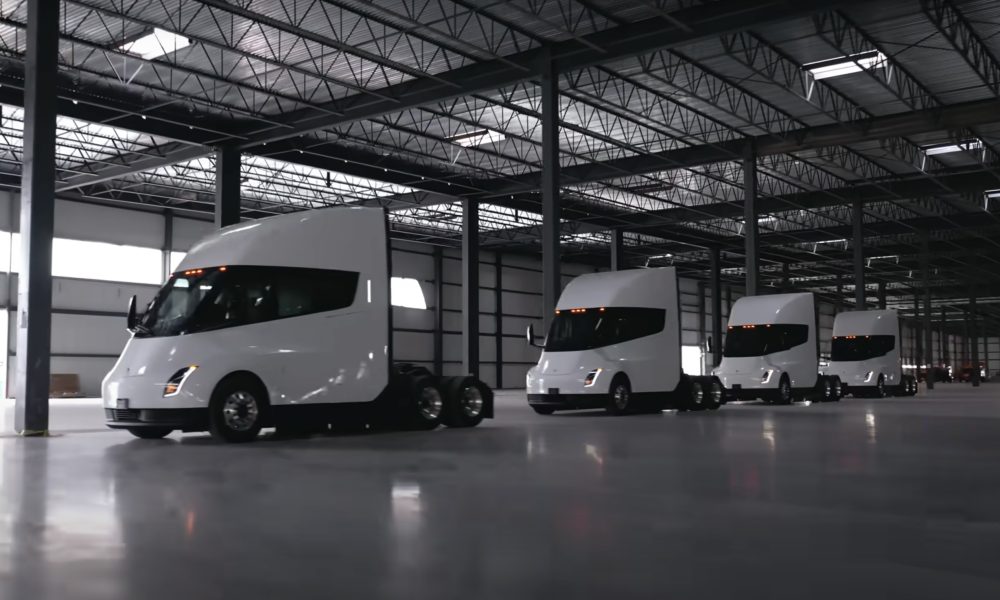
While this expansion directly supports the long-awaited scaling of Tesla's own Semi truck, the implications run far deeper. This deal establishes a powerful new, recurring revenue stream separate from vehicle sales. Tesla will sell electricity at scale to fleet operators, locking in energy margins from a sector with voracious power demands. Furthermore, it grants Tesla immense influence over the adoption timeline of electric trucks industry-wide; a reliable, ubiquitous charging network is the single largest hurdle to fleet electrification. By solving this, Tesla accelerates the entire market, creating future customers for its Semis while profiting from competitors' vehicles in the interim.
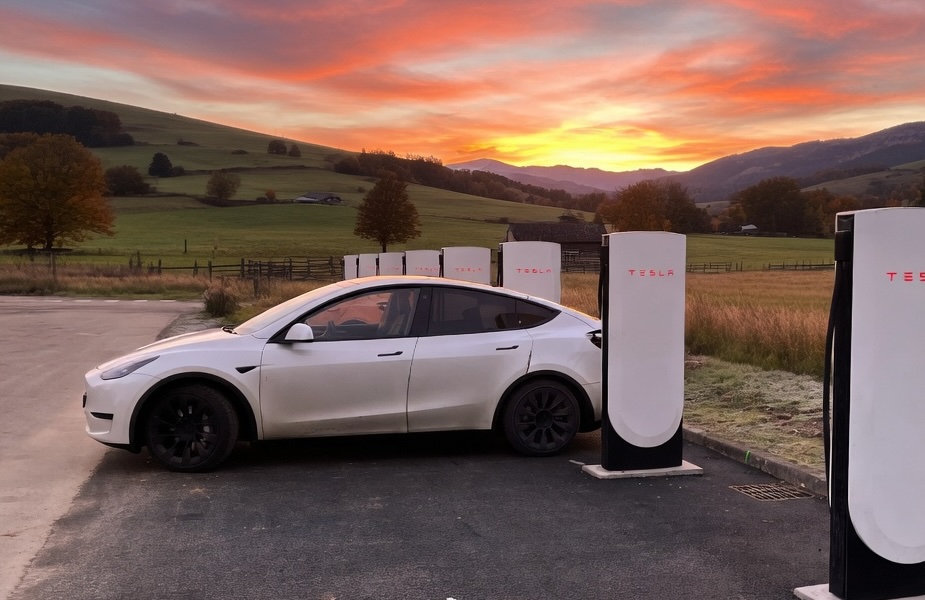
The technical requirements for charging heavy-duty trucks are in a different league than those for passenger EVs. Tesla's Semi Charger is expected to deliver charging capabilities far exceeding the current 250 kW V3 Superchargers, likely operating at one megawatt or higher to return meaningful range during a driver's mandatory rest period. Deploying these at hundreds of sites will test Tesla's energy and grid integration teams like never before, potentially driving further innovation in on-site battery storage and solar generation to manage demand and costs.
For Tesla investors, this deal validates the company's long-term bet on its infrastructure as a core profit center and competitive moat. It diversifies revenue and leverages a massive, sunk-cost asset. For fleet managers and trucking companies, the announcement provides the clearest signal yet that a viable national charging network is on the horizon, de-risking future electric truck orders. The road to zero-emissions freight is being paved, and Tesla is suddenly laying a significant portion of the foundation.