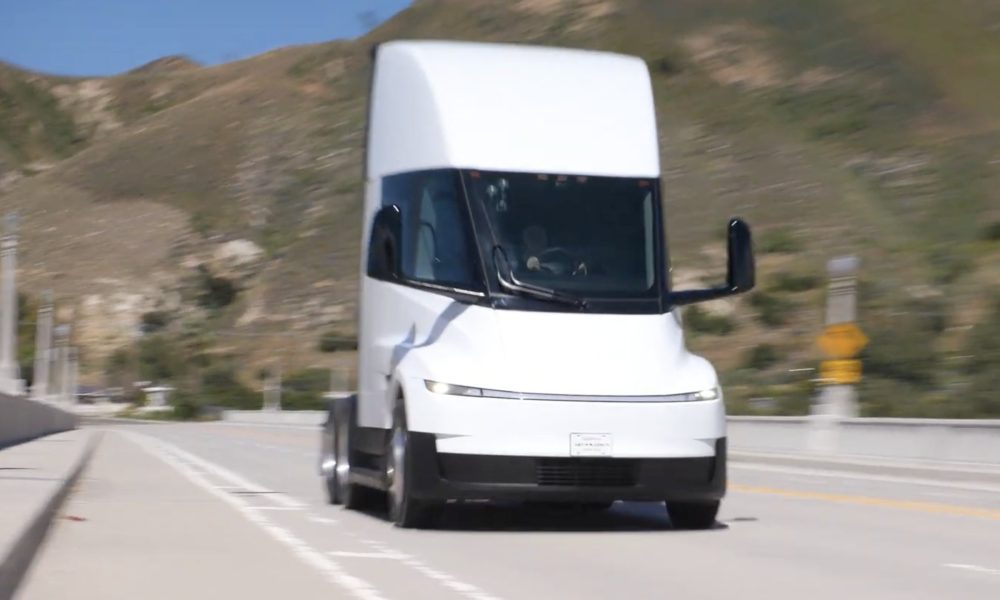
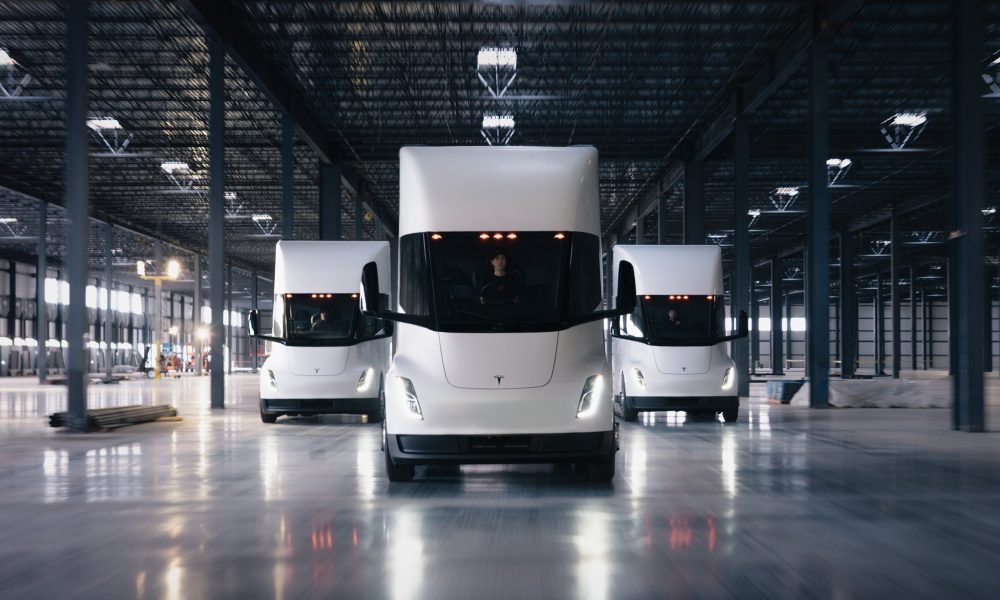
In a move that could fundamentally reshape the landscape of long-haul freight, Tesla has secured its most significant infrastructure partnership yet for its all-electric Semi truck. Pilot Company, the nation's largest operator of travel centers, has announced a landmark deal to install Tesla Semi chargers at strategic locations across its vast network. This collaboration directly tackles the most formidable barrier to electric truck adoption—range anxiety and charging access—by planting Tesla's technology at the heart of the American trucking industry's existing ecosystem.
Strategic Corridors and a 2026 Timeline
The initial phase of the rollout will see chargers installed at select Pilot and Flying J travel centers along critical highway corridors, with the first sites slated to open in Summer 2026. This two-year runway gives both companies time to prepare for the immense power demands of the Semi's charging system, which is expected to far exceed current Supercharger capabilities. By targeting major freight routes, the partnership ensures that early adopters of the Tesla Semi will have a reliable, predictable charging network for key cross-country journeys, effectively creating the first true nationwide backbone for heavy-duty electric vehicles.
Beyond Charging: A Validation of Tesla's Vision
This deal is far more than a simple real estate agreement for charging stalls. For Tesla, it represents a massive vote of confidence from a legacy industry titan. Pilot's decision to standardize on Tesla's charging hardware for its trucking clients signals a belief that the Tesla Semi is poised to become a dominant platform. The partnership also provides Tesla with invaluable, high-traffic real estate without the capital burden of purchasing the land itself, accelerating network expansion at a pace Tesla could not achieve alone. It’s a symbiotic relationship: Pilot future-proofs its business, while Tesla gains instant scale and credibility.
The implications for the competitive landscape are profound. While other coalitions and manufacturers are developing rival EV truck charging standards, Tesla's head start with a partner of Pilot's scale creates a formidable moat. Fleet operators making purchasing decisions will now see a concrete, coast-to-coast charging plan materializing for the Tesla Semi, potentially simplifying their electrification calculus. This move pressures other truck stop operators and competing OEMs to accelerate their own plans or risk ceding the crucial early market to the Tesla-Pilot alliance.
For Tesla investors, this announcement is a clear signal that the company's energy and logistics divisions are moving from ambitious prototypes to commercial reality with powerful allies. It de-risks the Semi's rollout and opens a new, high-margin revenue stream from charging and energy storage at each site. For future Tesla Semi owners, particularly fleet managers, the anxiety of operational viability diminishes. The promise of a seamless, familiar refueling experience at Pilot and Flying J locations—complete with amenities drivers already know—could be the decisive factor in converting diesel-dominated fleets to electric, accelerating the transition Tesla has long championed.