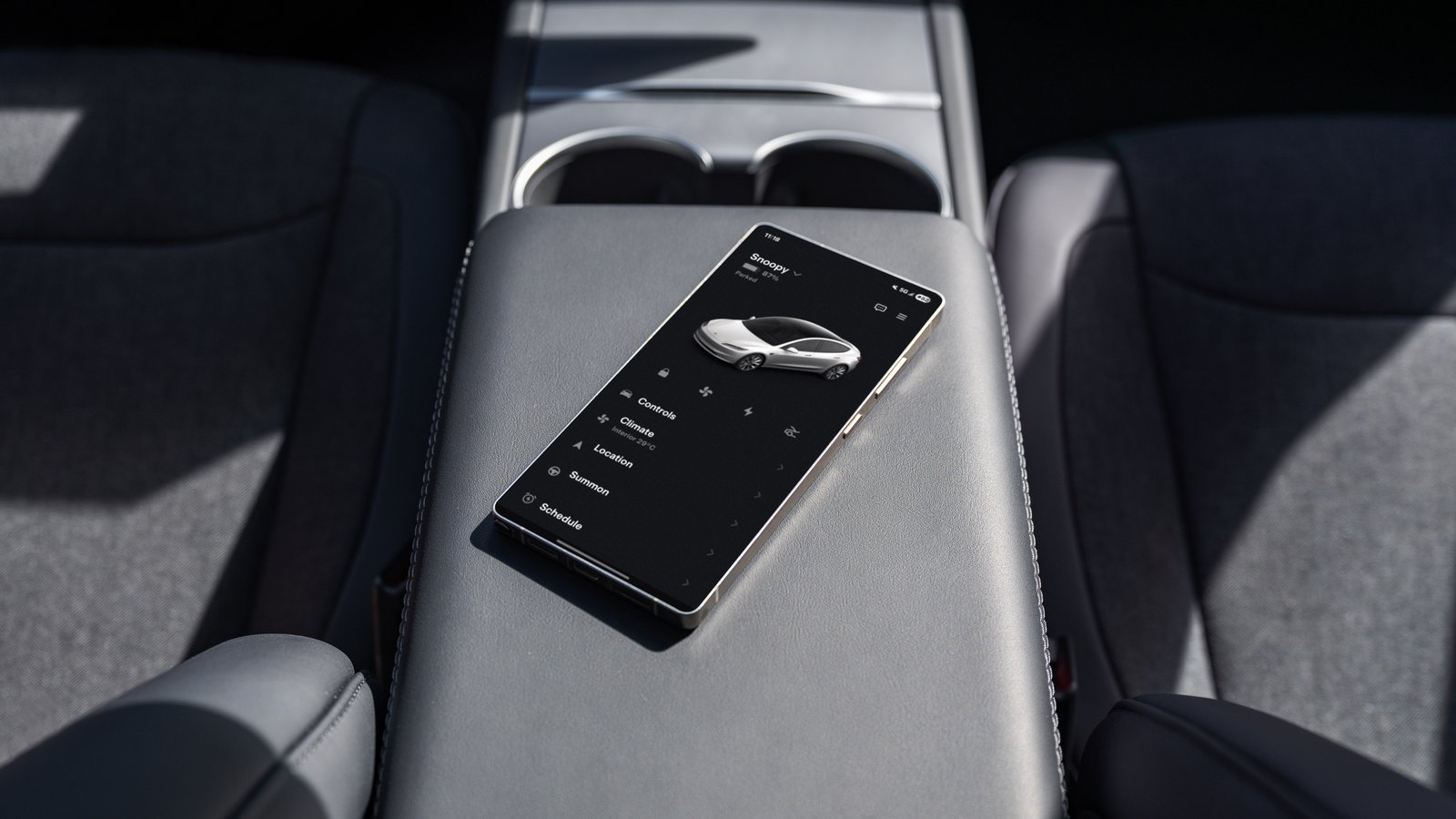
Tesla owners just gained control over one of the most important variables in electric vehicle ownership: battery temperature. The automaker is rolling out what may be its biggest battery feature in years through an over-the-air software update, and drivers are already reporting that the new option is appearing in their cars.
Manual Battery Preconditioning Arrives
The feature at the center of the update is Battery Preconditioning. Until now, Tesla vehicles activated it only at the car's own discretion, typically when the navigation system detected a trip to a Supercharger. Owners could not trigger it themselves. That is changing. Drivers now have the option to manually enable preconditioning whenever they choose.
Preconditioning warms the battery pack to its ideal temperature before a fast charge. A battery at the right temperature accepts power faster, which shortens stops and improves the overall road-trip experience. Owners have long wanted to override the automatic behavior, especially when plans change or when they head to a charger without routing there through the car's navigation.
Why It Matters for Cold Weather and Fast Charging
Cold batteries charge slowly. Anyone who has plugged into a V3 or V4 Supercharger on a winter morning has seen the effect: lower charging speeds and longer waits. With winter arriving across the Northern Hemisphere, the timing of this release is notable. A manual toggle lets owners prepare the pack ahead of time rather than hoping the car guesses correctly.
The change also reflects a broader pattern. Tesla keeps delivering meaningful hardware-level improvements through software updates, without a service visit or a new vehicle purchase. The company has no need to alter the battery itself. It simply unlocks better use of what is already in the car. That approach keeps older vehicles competitive and strengthens the value proposition of the Tesla ecosystem.
What It Means for Owners and Investors
For owners, the benefits are practical and immediate. Faster charging sessions, more predictable stops and greater control over trip planning all add up to a better daily experience. Drivers in colder climates should notice the difference most. Rollout appears to be gradual, so not every car will show the option right away.
For investors, the update is another example of Tesla extending the usefulness of its fleet through code. Features like this raise owner satisfaction, support resale values and reinforce the software-first strategy that separates Tesla from many legacy automakers. It is a small toggle with outsized impact, and it shows that some of the most valuable EV upgrades now arrive overnight, over Wi-Fi.