Winter is coming, and Tesla is giving owners a long-requested tool to meet it. The company's new Manual Battery Preconditioning feature is now reaching vehicles with software 2026.44.3.1, and early screenshots show how drivers can warm up an EV battery on demand, from the phone or from the car itself.
How the New Controls Work
Until now, Tesla handled battery preconditioning automatically. The car heated the pack when you navigated to a Supercharger, and owners had little say beyond that. The new feature adds a manual option, so drivers can start warming the battery before a trip, whether or not a charging stop is planned.
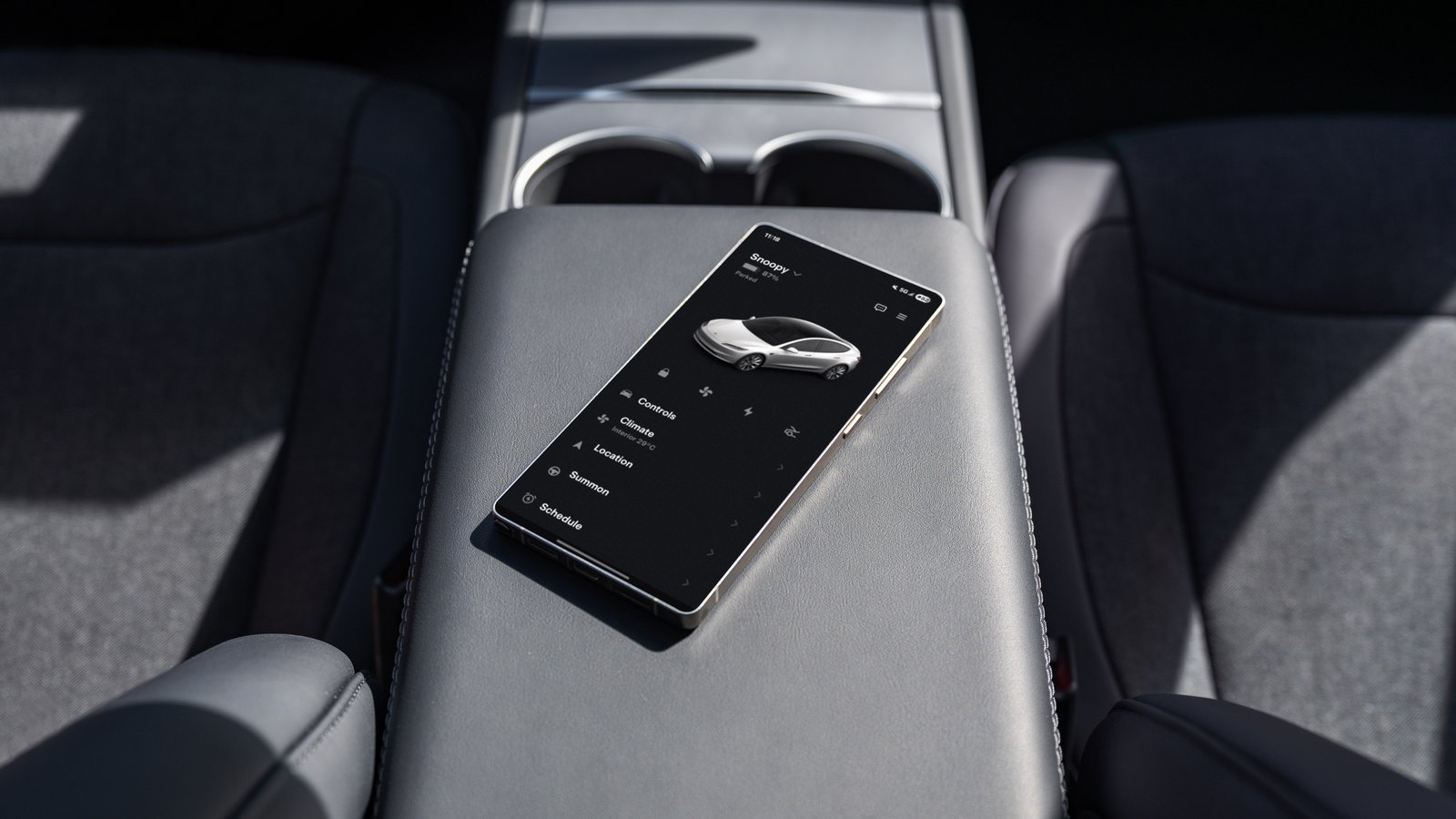
The controls appear in two places: the Tesla mobile app and the vehicle's touchscreen. Both give owners direct access to the function, which fits the company's push to keep the app and the in-car interface consistent. The rollout is part of the 2026.44.3.1 release and is reaching owners in waves, so not every car will show it immediately.
Why Preconditioning Matters for Electric Vehicles
Cold weather is hard on any electric vehicle. A cold lithium-ion pack has higher internal resistance, which limits regenerative braking, reduces available power and slows DC fast charging. A pack at its ideal temperature recovers range more efficiently and accepts a higher charge rate.
Manual control matters because winter driving rarely follows a navigation route. A driver heading to a public charger on a cold morning can warm the battery in advance and arrive ready to charge quickly. Someone planning a spirited drive can restore full regen and power before leaving. Taking the decision out of the algorithm's hands gives owners more predictability.
There is a trade-off. Heating a battery uses energy, so preconditioning while unplugged will draw down state of charge. Starting it while the car is connected to a charger avoids that penalty, and owners will probably learn to time it that way.
What It Means for Tesla Owners and Investors
For owners, especially those in northern climates, the feature promises shorter charging stops and steadier winter performance. It also reduces a common frustration: slow charging sessions when the car did not know a Supercharger was the destination. Owners with 2026.44.3.1 should check both the app and the touchscreen to find the new controls.
For investors, the update shows Tesla's continued reliance on over-the-air software to improve existing vehicles without hardware changes. Small quality-of-life upgrades like this one raise owner satisfaction and strengthen the case that a Tesla gets better after purchase. As cold-weather EV ownership grows, features that cut real-world charging times could also ease one of the main concerns of prospective buyers.