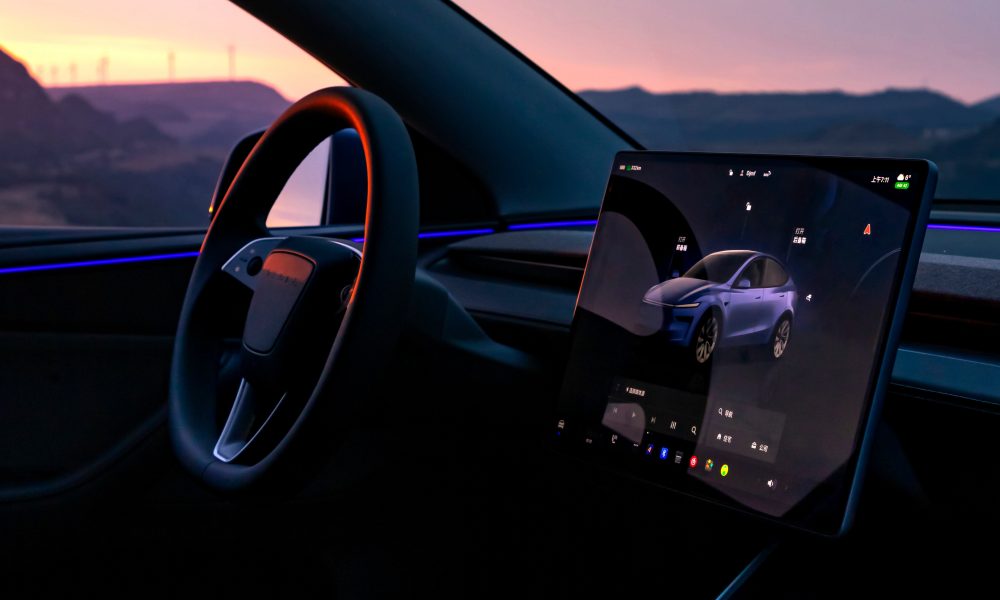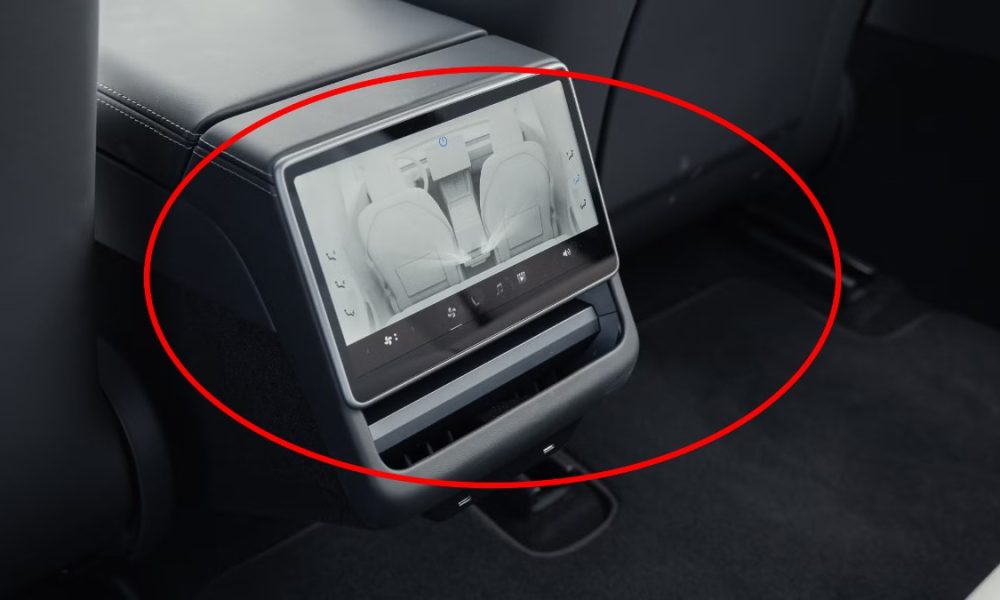
Tesla's vision for a driverless future is no longer confined to prototype vehicles or distant promises. With its latest Spring Update, the company has initiated a significant, under-the-radar deployment, pushing core Robotaxi functionality directly into the hands of current owners. This move signals a strategic pivot from development to real-world implementation, using its vast customer fleet as the ultimate proving ground for autonomous technology.
Beyond FSD: The "Unsupervised" Leap
While Tesla's Full Self-Driving (FSD) system has been in wide beta, it has always required active driver supervision. The new features embedded in the Spring Update represent a philosophical shift toward what the industry terms "unmanned" or "unsupervised" operation—the essential bedrock of a commercial Robotaxi. Early reports indicate the update includes enhanced vehicle readiness checks, more sophisticated remote monitoring protocols, and refined algorithms for navigating complex urban scenarios without human intervention. This isn't just an incremental software improvement; it's the foundational layer for cars to operate as revenue-generating assets when their owners are not using them.
The Fleet as a Development Platform
By deploying this capability to consumer vehicles, Tesla is executing a masterstroke in data acquisition and system validation. Every mile driven with these activated features, even with a human present, feeds a continuous stream of invaluable data back to Tesla's neural networks. This allows the company to refine its Autopilot and FSD systems under a staggering array of real-world conditions at a scale and speed no closed testing fleet could match. The existing fleet of over 5 million Tesla vehicles globally transforms into the world's largest and most diverse robotics development platform, accelerating the path to regulatory approval and technical reliability.
The implications of this rollout are profound for both safety and business models. On one hand, it demonstrates growing confidence in the system's redundancy and decision-making capabilities. On the other, it directly tests the operational and logistical frameworks needed for a future Robotaxi network, from software stability to user interface design. This live integration blurs the line between a personal electric vehicle and a commercial transport node, a core tenet of Elon Musk's long-stated ambition for the Tesla ecosystem.
For Tesla owners and investors, this quiet update is a seismic signal. Owners of eligible vehicles, particularly those with the FSD package, are now active participants in the most critical phase of Tesla's autonomy project. Their usage directly contributes to the system's evolution and the potential future value of their asset. For investors, it de-risks the Robotaxi timeline, moving it from a speculative future product to a technology actively being deployed and validated. The success of this phased integration could unlock the immense financial potential of the Robotaxi network, fundamentally altering Tesla's valuation from a car company to a mobility service giant. The race for autonomy is heating up, and Tesla is betting its customer fleet will give it an unbeatable lead.