In a move that underscores the deepening and complex financial ties between Elon Musk's corporate empire, Tesla has committed a staggering $2 billion investment into the billionaire's artificial intelligence venture, xAI. This strategic capital infusion, revealed in recent regulatory filings, follows xAI's own announcement earlier this month of a monumental $20 billion funding round, catapulting the year-old startup to one of the world's most valuable AI firms. The investment raises immediate questions about capital allocation, competitive positioning, and the future of AI development within Tesla itself.
Strategic Synergy or Shareholder Concern?
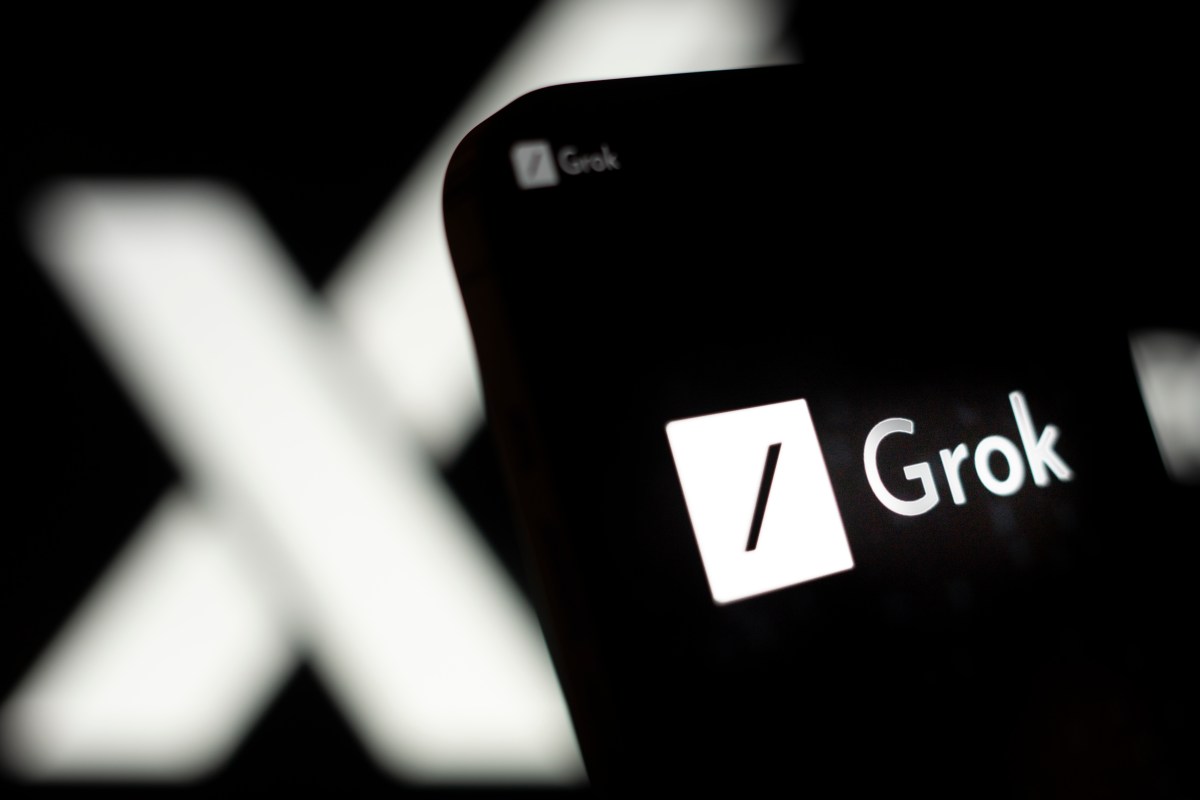
The $2 billion commitment represents a significant deployment of Tesla's capital, which stood at over $26 billion in cash and equivalents at the end of the last quarter. Tesla's board has framed the investment as a means to "advance the development and commercialization of xAI's technologies" with the potential for mutual benefit. Proponents see a clear synergy: xAI's "Grok" chatbot and underlying models could be integrated into Tesla's electric vehicles and Optimus robots, while Tesla's real-world AI training data from its fleet remains a priceless asset. However, analysts note this creates a new layer of financial entanglement, requiring investors to evaluate the health and prospects of both entities as their fates become more intertwined.
The Data Dilemma and Competitive Landscape
At the heart of this partnership is the critical resource of data. Tesla's unmatched dataset from millions of real-world driving miles is considered the "gold standard" for training autonomous systems. While Tesla has its own in-house AI team working on Full Self-Driving (FSD), the xAI investment suggests a parallel, potentially complementary path. The risk, however, is a diffusion of focus or the creation of internal competition for resources. Furthermore, this alliance directly pits the Tesla-xAI bloc against other well-funded giants like Waymo, OpenAI, and legacy automakers, setting the stage for an intense battle for AI supremacy in the automotive and robotics sectors.
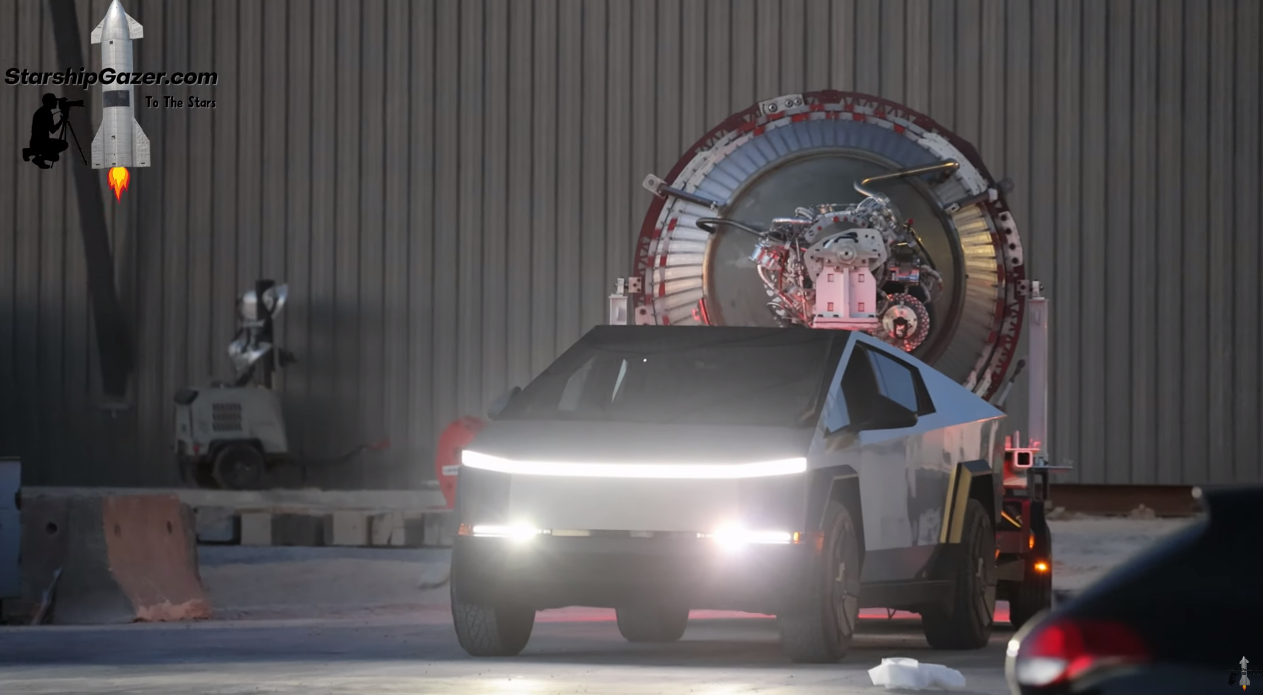
The financial structure of the deal is also under scrutiny. Details on whether Tesla received equity, a convertible note, or another financial instrument are not fully public. The return on this investment is inherently long-term and speculative, tied to xAI's success in commercializing its technology. This comes at a time when Tesla is navigating its own cycle of increased capital expenditure for new models like the Cybertruck and next-generation platforms, as well as potential margin pressure in a competitive global EV market.
Implications for the Tesla Ecosystem
For Tesla owners, the most tangible future benefit could be a rapid acceleration in AI-powered features. A closer collaboration with xAI might lead to a more sophisticated, conversational, and context-aware vehicle assistant, far beyond the current voice command system. It could also potentially accelerate the path to fully autonomous driving if xAI's models offer breakthroughs in reasoning and real-world understanding. For investors, the move is a double-edged sword. It signals aggressive ambition and a bet on vertical integration of core AI technology, but it also introduces new risk and complexity. Shareholders will now need to monitor xAI's performance and its draw on Tesla's balance sheet as closely as they do vehicle delivery numbers.
The ultimate success of this $2 billion wager will hinge on whether the promised synergies materialize into market-leading products and a tangible competitive moat. If successful, Tesla could emerge not just as a leader in electric vehicles, but as a dominant force in applied artificial intelligence. If not, it may be remembered as a costly diversion of resources at a critical juncture in the company's evolution. The investment firmly places Tesla at the center of the high-stakes AI race, for better or worse.