You've just taken delivery of your new Tesla, or perhaps you've been enjoying the silent thrust of electric propulsion for a while. In either case, there's a significant chance your current insurance policy is a misfit—either overpriced for the coverage it provides or dangerously limited for the sophisticated vehicle you own. Navigating the insurance landscape for a high-tech asset like a Tesla requires a specific playbook. Falling into common traps can cost you thousands in unnecessary premiums or leave you devastatingly exposed after a claim. Based on industry analysis and owner experiences, here are the critical pitfalls to avoid.
Underestimating the True Cost of Repairs
Many owners, especially those transitioning from conventional luxury brands, are shocked by the repair costs for a Tesla. The vehicle's extensive use of aluminum, specialized glass roofs, and integrated mega-casting structures require specific tools and training. More critically, the structural battery pack is a central component of the car's frame; minor underside damage that would be a simple fix on a traditional car can lead to a total loss declaration from an insurer. Failing to ensure your policy accounts for these OEM repair requirements and potential total loss scenarios can lead to massive out-of-pocket expenses or a settlement that doesn't reflect your car's true value.
Overlooking the Value of Telematics-Based Discounts
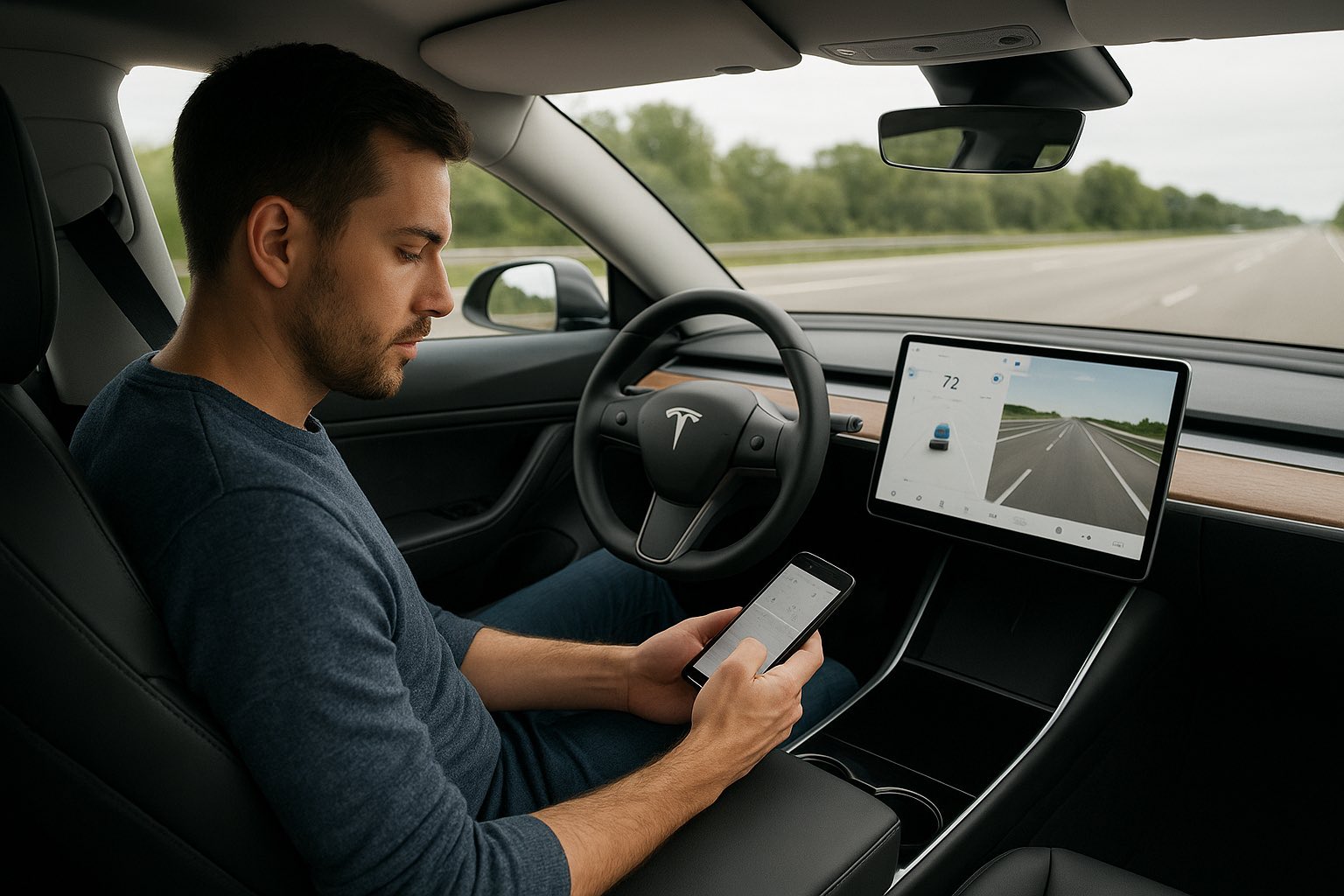
This is perhaps the most Tesla-specific mistake. Tesla Insurance and other usage-based programs offer potential savings of 20% to 40% for safe drivers by leveraging real-time vehicle data. However, many owners stick with traditional insurers out of habit, leaving significant money on the table. The key is understanding how your driving is scored: smooth acceleration and braking, minimal late-night driving, and high Autopilot engagement (where legally permitted) typically yield the best scores. While privacy considerations are valid, forgoing these programs without evaluation is a costly oversight for the average safe driver.
Ignoring Gaps in Critical Coverages
Standard policies often fall short for electric vehicles. Three areas demand scrutiny. First, wall connector and home charging equipment damage or liability may not be covered under a standard homeowner's policy. Second, coverage for a rented or borrowed Level 3 DC Fast Charger in the event of damage is frequently excluded. Third, with the rise in catalytic converter thefts on conventional cars, thieves are now targeting high-voltage battery packs—ensure your comprehensive coverage is robust. Review your policy line-by-line for these exclusions.
Beyond specific coverages, two strategic errors are common. Automatically renewing your policy without an annual competitive review is one, as the EV insurance market is evolving rapidly. Another is not adjusting your deductible strategically. With the high cost of Tesla repairs, a higher deductible can lower your premium substantially, but you must have the savings to cover it if needed. It's a calculated risk that can pay off long-term for low-claim drivers.
For Tesla owners and investors, these insights highlight a broader trend: owning a technologically advanced product necessitates an equally advanced approach to ownership logistics. For owners, conducting a meticulous, Tesla-aware insurance audit is as crucial as understanding the charging network. For investors, the persistent complexity and high cost of insuring EVs underscore a significant ancillary market opportunity—one that Tesla itself is aggressively pursuing with its direct insurance products, aiming to improve both affordability and the overall ownership experience.