Tesla has officially unlocked a massive, and historically challenging, new sales channel: the vast U.S. public sector fleet market. In a strategic move that could reshape municipal and state transportation budgets, Tesla has inked a pivotal agreement with Sourcewell, a national cooperative purchasing agency, to offer its entire lineup of electric vehicles to government entities at pre-negotiated, competitive prices. This deal effectively streamlines the procurement process, allowing everything from police departments to federal agencies to bypass complex bidding procedures and purchase Tesla EVs directly through a compliant, established contract vehicle.
Cutting Red Tape and Costs for Public Fleets
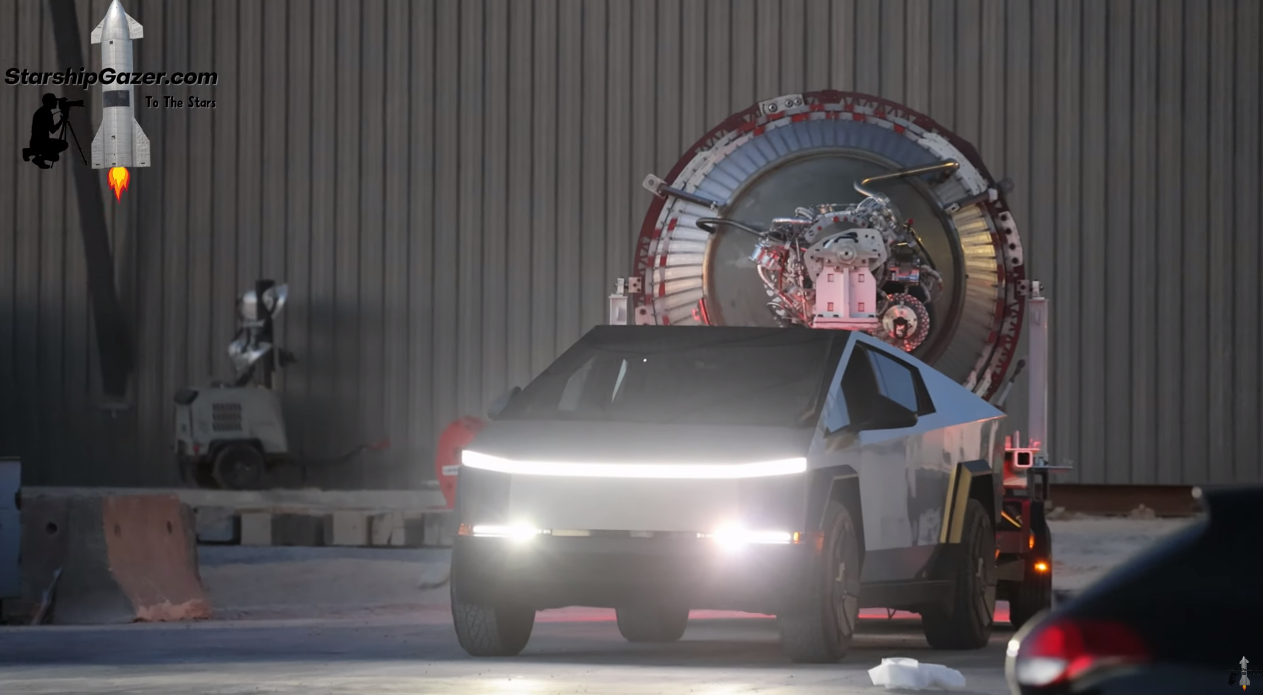
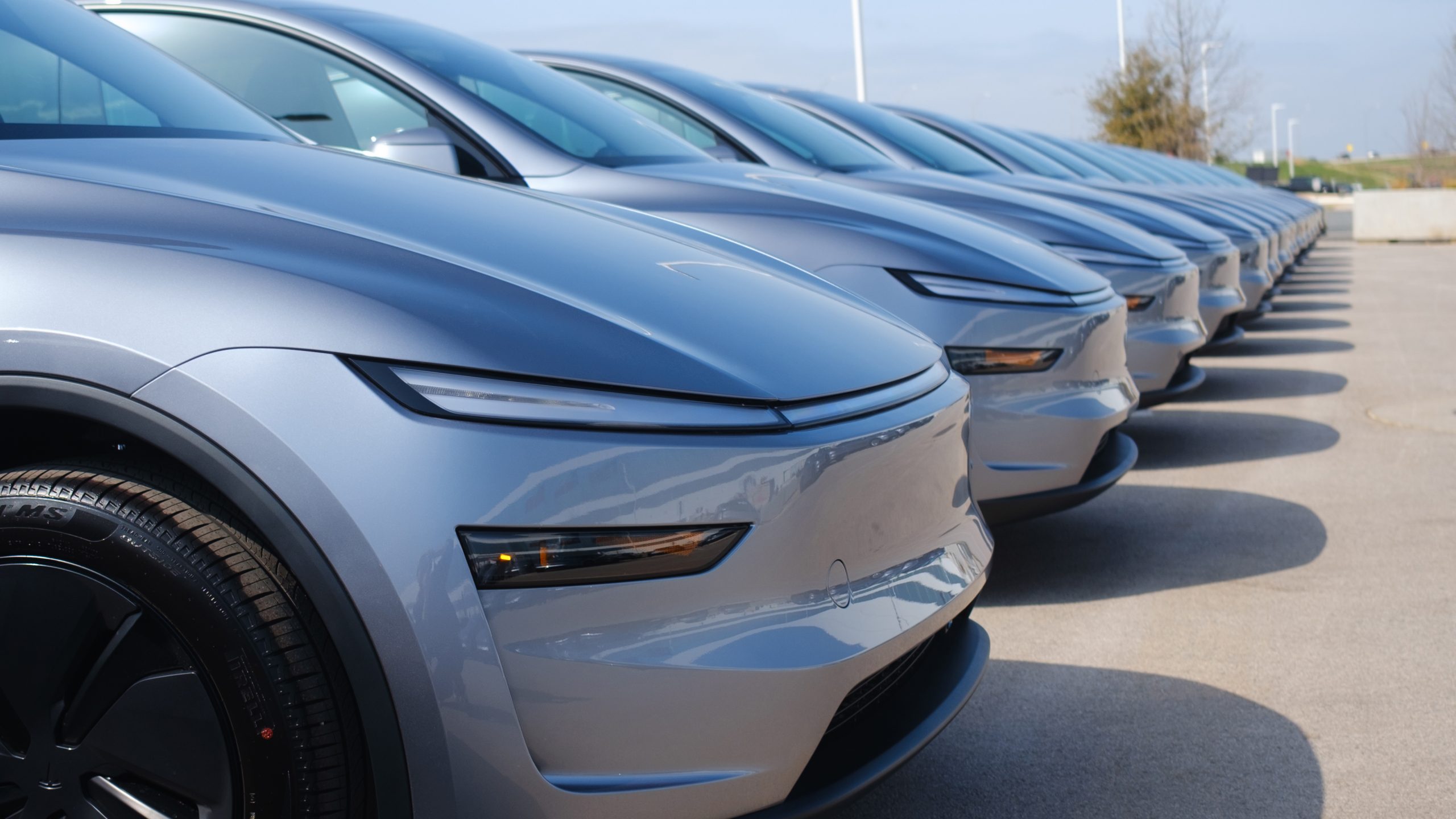
The partnership with Sourcewell is a masterstroke in bureaucratic navigation. Government procurement is notoriously slow, often requiring lengthy and expensive request-for-proposal (RFP) processes for each purchase. Tesla's new standing contract eliminates that hurdle entirely. Qualified public agencies—spanning local, state, tribal, and federal levels—can now order Tesla's Model Y, Model 3, Model X, Model S, and even the Cybertruck through a simplified process, dramatically accelerating adoption timelines. Crucially, the contract includes significantly discounted pricing compared to retail MSRP, a key incentive for budget-conscious public administrators. This move directly targets one of the largest vehicle fleets in the country, offering a turnkey solution for electrification.
A Strategic Push into a Lucrative Market
This initiative is far more than a simple sales tactic; it's a calculated expansion into a market with immense volume potential and high visibility. Government fleets represent hundreds of thousands of vehicles, and converting them to Tesla products provides a steady, high-volume revenue stream while showcasing the vehicles' durability and total cost of ownership in demanding, high-mileage roles. The inclusion of the Cybertruck is particularly telling, indicating Tesla's ambition to serve public works, parks departments, and other agencies requiring rugged utility vehicles. Furthermore, every government Tesla on the road acts as a rolling advertisement for the brand's viability as a workhorse, influencing public perception and accelerating mainstream EV acceptance.
The implications for Tesla's business model are substantial. Fleet sales can help smooth out production and delivery quarter-end waves, providing a more predictable order base. It also strategically positions Tesla ahead of legacy automakers who are still ramping their own electric fleet offerings. By embedding its vehicles and, by extension, its Supercharger network into government operations, Tesla is building a formidable moat. The data and real-world performance metrics gathered from these fleet vehicles will also be invaluable for future product development and proving reliability claims to other commercial sectors.
What This Means for Tesla Owners and Investors
For current Tesla owners and investors, the Sourcewell contract is a strong bullish signal. It represents a major diversification of Tesla's revenue streams, reducing reliance on the volatile consumer retail market and tapping into stable government spending. Successful penetration of this market could lead to meaningful upside in vehicle delivery numbers in coming years. For owners, widespread government fleet adoption will likely accelerate the expansion and maintenance of the Supercharger network, as infrastructure contracts often follow vehicle purchases. However, investors should monitor the impact on automotive gross margins, as fleet pricing typically carries lower per-unit profitability, though this may be offset by volume and reduced sales overhead.
The ultimate success of this push will hinge on Tesla's ability to meet the unique servicing and support demands of fleet operators. If the company can demonstrate robust reliability and cost-effective maintenance for high-utilization vehicles, the public sector could become one of its most loyal and expansive customer bases, fundamentally altering the competitive landscape for electric vehicles in America.