In a strategic maneuver poised to reshape public sector fleets, Tesla has successfully unlocked direct sales access to over 50,000 government agencies across the United States. This breakthrough, achieved through inclusion in a cooperative purchasing contract, effectively dismantles a major bureaucratic barrier that has long throttled the pace of EV adoption by cities, counties, and states. For Tesla, it represents a vast and largely untapped market suddenly within reach, offering a direct pipeline for its electric vehicles into the heart of municipal and state operations.
Bypassing the Bureaucratic Bottleneck
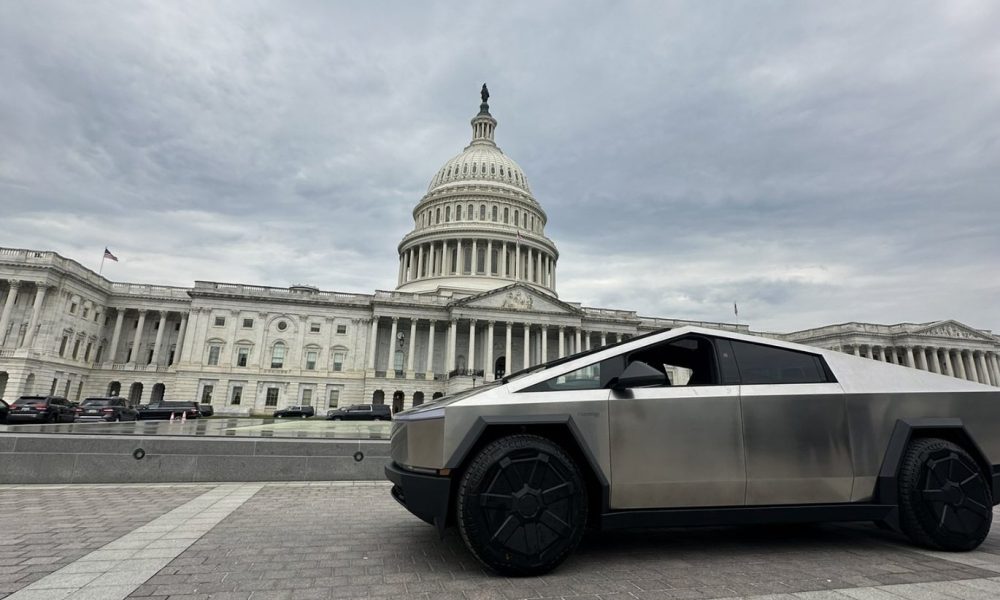
Government procurement is notoriously slow, often requiring individual agencies to run lengthy, independent bidding processes for vehicle purchases. Tesla's new arrangement, facilitated through the Houston-Galveston Area Council (HGAC) cooperative, streamlines this dramatically. By being on an approved vendor list, any of the 50,000+ member agencies can now purchase Tesla vehicles directly through a pre-negotiated contract. This eliminates months of paperwork and legal hurdles, making the procurement of a Model Y, Model 3, or Cybertruck as straightforward as buying office supplies for many jurisdictions.
A Catalyst for Fleet Electrification and Brand Validation
The implications extend far beyond simple unit sales. Government fleets are high-mileage, high-visibility assets, and their electrification serves as a powerful public demonstration of EV viability and cost-saving potential. As police departments, building inspectors, and city administrators integrate Teslas into daily operations, it provides relentless, real-world validation of the technology's reliability and lower total cost of ownership. This visibility can accelerate public acceptance and spur further investment in charging infrastructure, creating a virtuous cycle for the entire electric vehicle ecosystem.
Furthermore, this move strategically positions Tesla ahead of looming federal and state mandates pushing for greener government fleets. With a simplified purchasing path already in place, Tesla becomes the default, low-friction choice for agencies under pressure to meet sustainability targets. The potential volume is substantial, considering the scale of police cruisers, administrative sedans, and light-duty trucks that could be replaced with Tesla models.
Strategic Implications for Tesla and the EV Market
For Tesla, this is a masterstroke in market expansion. It opens a reliable, bulk-sales channel that complements its consumer-focused retail strategy, providing revenue stability and utilizing production capacity efficiently. The fleet segment also represents a new frontier for Tesla's Full Self-Driving (FSD) and telematics software, with potential tailored applications for municipal use. Competitors in the EV space now face a significant disadvantage, as they must navigate the traditional, fragmented procurement landscape agency by agency.
For Tesla owners and investors, this development signals robust long-term demand and deeper market entrenchment. Fleet sales can smooth out quarterly delivery variances and enhance the company's financial resilience. Widespread government use also bolsters Tesla's brand prestige as a practical, durable workhorse, not just a consumer luxury. As thousands of new, publicly-owned Teslas hit the roads, they become rolling testimonials, potentially driving further consumer interest and solidifying Tesla's leadership in the inevitable electrification of all vehicular transport.