In a strategic move that expands its reach far beyond the automobile, Tesla Energy has been granted a crucial license to operate as a full-fledged electricity supplier across Great Britain. This regulatory green light, secured after an eight-month review process, marks Tesla's official entry into the competitive UK retail energy market, positioning it to sell power directly to homes and businesses. The approval, which began after Tesla's application in mid-2025, signals a profound shift for the company from a product manufacturer to a vertically integrated energy ecosystem provider.
From Powerwall to Power Provider: The UK Energy Gambit
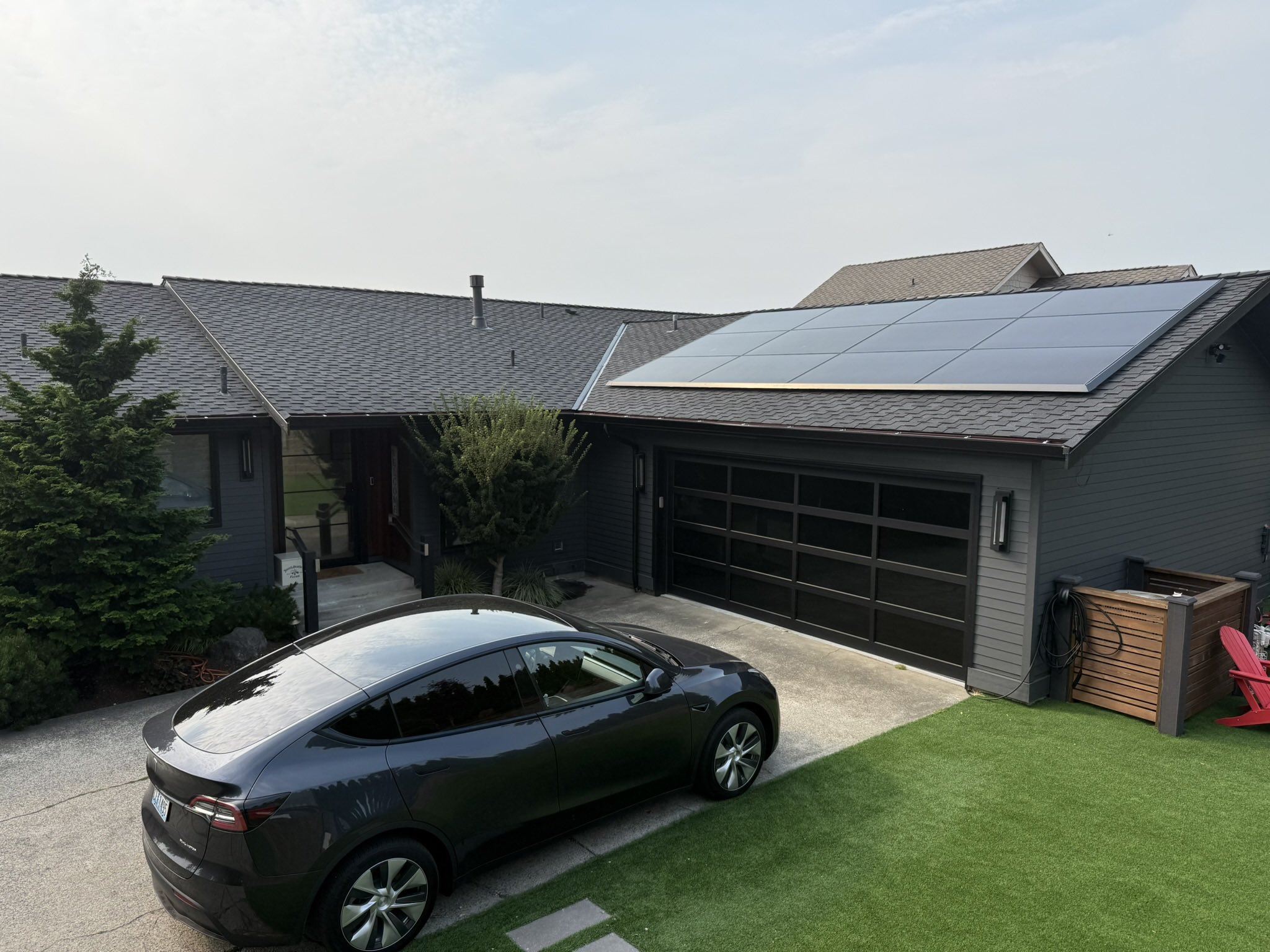
Tesla's ambition in the energy sector is not new, but this license represents its most direct consumer-facing play yet in Europe. The company has spent years building a foundation through its Powerwall home battery, Solar Roof, and Megapack utility-scale storage systems. By becoming a licensed supplier, Tesla can now bundle these hardware products with the electricity itself, creating a seamless, Tesla-branded energy experience. This "hardware-plus-service" model mirrors its automotive approach, offering customers a single point of control for their energy generation, storage, and consumption through the Tesla app.
Disrupting the Grid with Intelligence and Storage
The true disruption lies not merely in selling kilowatt-hours, but in how Tesla will likely manage and optimize them. The company is expected to leverage its fleet of behind-the-meter batteries to create a virtual power plant (VPP). By aggregating thousands of home Powerwalls, Tesla can balance grid demand, sell stored power during peak periods, and offer unique, dynamic tariffs to participants. This turns consumers into proactive grid assets, a stark contrast to the traditional, one-way relationship with incumbent suppliers. For the UK grid, which faces significant renewable integration challenges, such intelligent, distributed storage is a powerful tool for stability.
This move intensifies competition in a UK energy market still reeling from volatility and supplier collapses. Tesla enters not as a commodity reseller but as a technology-driven utility with a loyal customer base and a compelling integrated offer. Its potential to offer lower, more stable rates—especially when combined with solar and storage—could pressure traditional suppliers to innovate rapidly. Furthermore, it provides a tangible answer to critics questioning Tesla's growth narrative, opening a substantial new revenue stream beyond vehicle sales.
For Tesla owners and investors, the implications are significant. UK customers can anticipate new energy packages that maximize the value of their EV and home battery, potentially including exclusive electric vehicle charging rates or VPP income schemes. For investors, it validates the long-term Tesla Energy thesis, transforming it from a side project into a core, scalable business unit with recurring revenue. It also deepens Tesla's economic moat, as the synergy between its vehicles, batteries, and now retail energy creates a ecosystem that is exceptionally difficult for any single competitor to replicate.