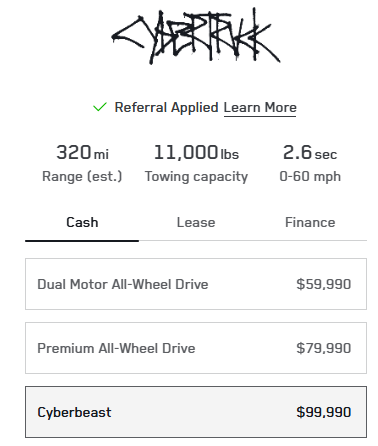
In a move that has electrified the electric truck segment, Tesla has slashed the price of its flagship Cybertruck Cyberbeast by a substantial $15,000 in the United States. This aggressive pricing adjustment, however, comes with a significant caveat: the removal of a previously standard feature, reframing the discount as a strategic reconfiguration of the vehicle's offering rather than a simple sale. The decision underscores Tesla's fluid pricing strategy and its willingness to adjust packages in real-time to stimulate demand in a highly competitive EV market.
A Strategic Trim, Not a Simple Discount
The core of this announcement lies in what was taken away. The $15,000 price reduction for the tri-motor Cyberbeast is directly tied to the removal of Tesla's "Full Self-Driving" (FSD) capability from the standard package. Previously bundled, the advanced driver-assistance suite is now a strictly optional add-on. This effectively creates a new base price of $99,990 for the ultra-high-performance model, down from its initial $114,990 configuration. This unbundling allows Tesla to advertise a more accessible entry point for its halo product while maintaining revenue streams from software upgrades, a cornerstone of its business model.
Context and Competitive Calculus
This maneuver is not occurring in a vacuum. The Cybertruck, particularly the Cyberbeast trim, occupies a premium niche with a lengthy delivery timeline. By lowering the upfront cost, Tesla likely aims to convert more reservations into firm orders and broaden the appeal of its most capable model. Furthermore, with increasing pressure from established automakers and new entrants in the electric pickup space, such as the Rivian R1T and the upcoming Chevrolet Silverado EV, Tesla is leveraging its unique direct-sales model to adjust tactics swiftly without relying on dealer incentives. This pricing flexibility is a key advantage in a sector where consumer sentiment and economic conditions can shift rapidly.
The implications for the broader electric vehicle market are significant. Tesla's action demonstrates a continued focus on software as a high-margin, separable product. It also highlights the company's use of vehicle trims and packages as dynamic tools for demand management rather than static yearly lineups. Analysts will watch closely to see if this prompts similar à la carte strategies from competitors or if it influences pricing for the lower-tier Cybertruck All-Wheel Drive and Core models expected in the future.
What This Means for Tesla Owners and Investors
For prospective Cyberbeast buyers, this is a double-edged sword. Those less interested in FSD gain a meaningful reduction in the cost of entry for Tesla's most powerful vehicle. However, customers who view the technology as essential will now face a hefty additional charge, currently $12,000, to add it back, potentially negating much of the advertised savings. For current reservation holders, it offers a choice: take the truck at a lower price or invest in the full suite of promised autonomy. For investors, the move reinforces Tesla's adaptive, software-centric approach to monetization. It may boost near-term delivery numbers for the high-margin Cyberbeast, but the long-term play remains firmly tied to the adoption and regulatory approval of its FSD platform, which continues to be a central pillar of the company's valuation narrative.