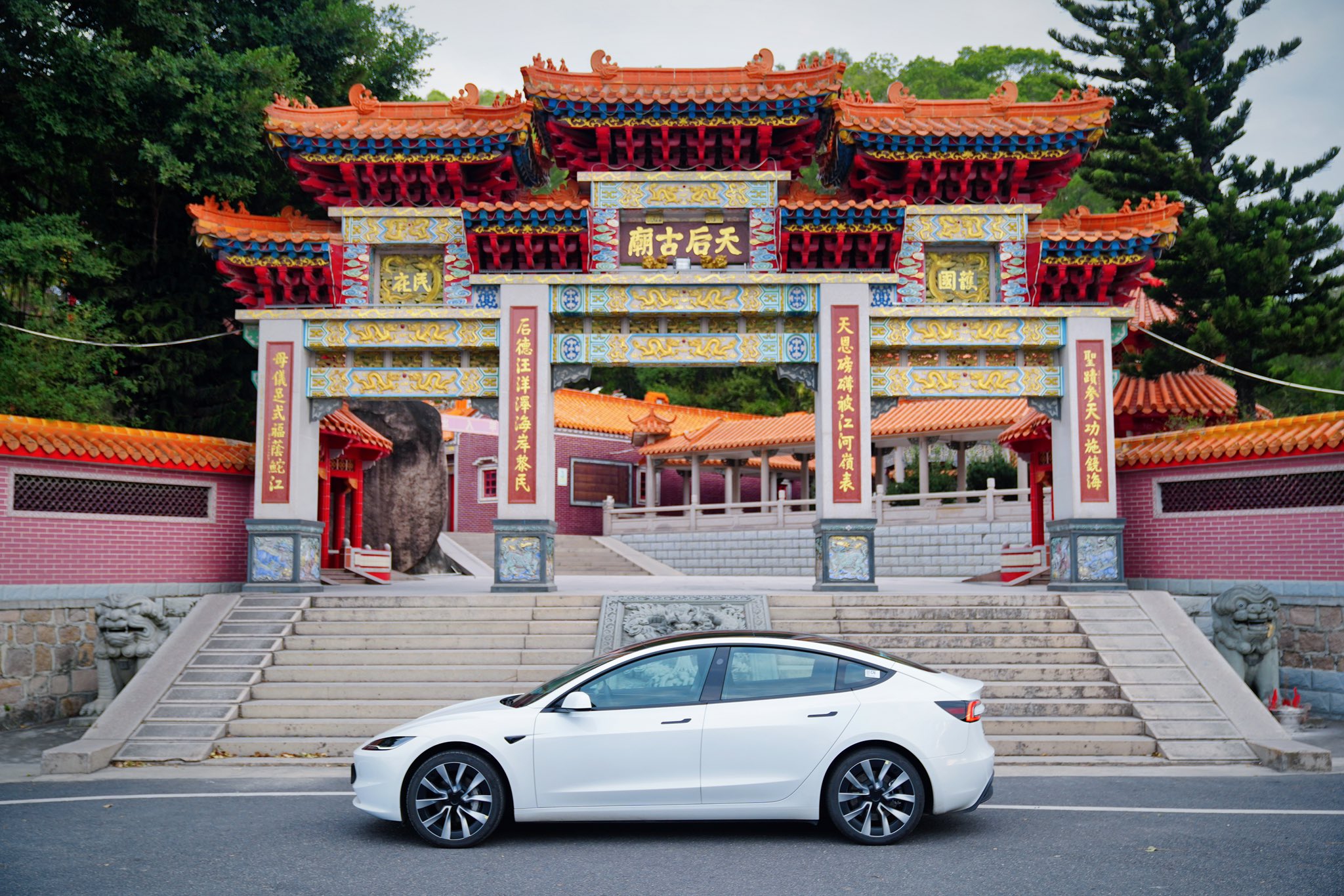
Tesla has defied a broader market slowdown to start 2026 with a commanding performance in the world's largest electric vehicle arena. Fresh data reveals the automaker shipped 69,129 China-made vehicles in January, securing significant year-over-year growth while domestic rivals grappled with softening demand. This strong opening salvo underscores Tesla's resilient brand power and operational agility in a ferociously competitive landscape, setting a decisive tone for the year ahead.
January Numbers Defy Broader Market Contraction
While many Chinese EV manufacturers reported a predictable post-holiday and seasonal dip in deliveries, Tesla's Shanghai Gigafactory output told a different story. The January figure represents a notable increase compared to the same month in 2025, a period where the overall market saw a contraction. This divergence highlights Tesla's unique position; its global export strategy from Shanghai insulates it somewhat from purely domestic demand fluctuations, allowing it to leverage the facility as a global export hub. The result is a more stabilized production and delivery rhythm that can outperform when local conditions soften.
Strategic Agility and Brand Equity as Key Drivers
Analysts point to two core factors behind this outperformance. First, Tesla's recent strategic adjustments in China, including targeted incentives and software-focused upgrades for the Model 3 and Model Y, have effectively stimulated demand. Second, and perhaps more critically, is the enduring strength of the Tesla brand itself. In a market saturated with new options, Tesla maintains a powerful association with technological leadership and aspirational value. This brand equity continues to convert, even as price wars intensify, allowing Tesla to navigate competitive pressures more effectively than many of its rivals who compete primarily on specification sheets and cost.
The context of this performance is a Chinese EV sector in a state of transition. Following years of explosive growth, the market is entering a phase of consolidation and maturity, with consumer appetite becoming more discerning. Government subsidy phase-outs have further pressured purely domestic players. Tesla's January results suggest it is weathering this shift better than most, leveraging its established manufacturing excellence and global supply chain to maintain volume and momentum where others are stumbling.
Implications for Tesla's Global Strategy and Stakeholders
For Tesla investors, the robust January figures from China serve as a critical early-year confidence booster. They demonstrate the Shanghai factory's continued role as a profit center and volume driver, essential for supporting overall margin targets and funding global ambitions like the next-generation platform. For Tesla owners, particularly outside China, this manufacturing stability helps ensure steady global vehicle supply and reinforces the company's long-term viability for software support and infrastructure investment. As the EV race enters a more challenging phase, Tesla's ability to outpace rivals in the key battleground of China signals not just a strong quarter, but a formidable competitive stance for the entire year.