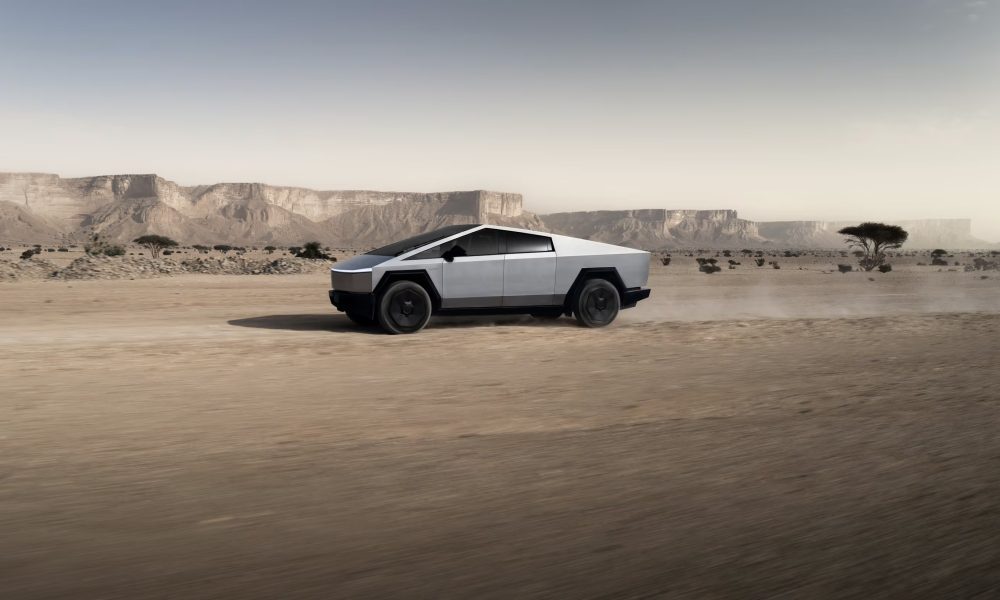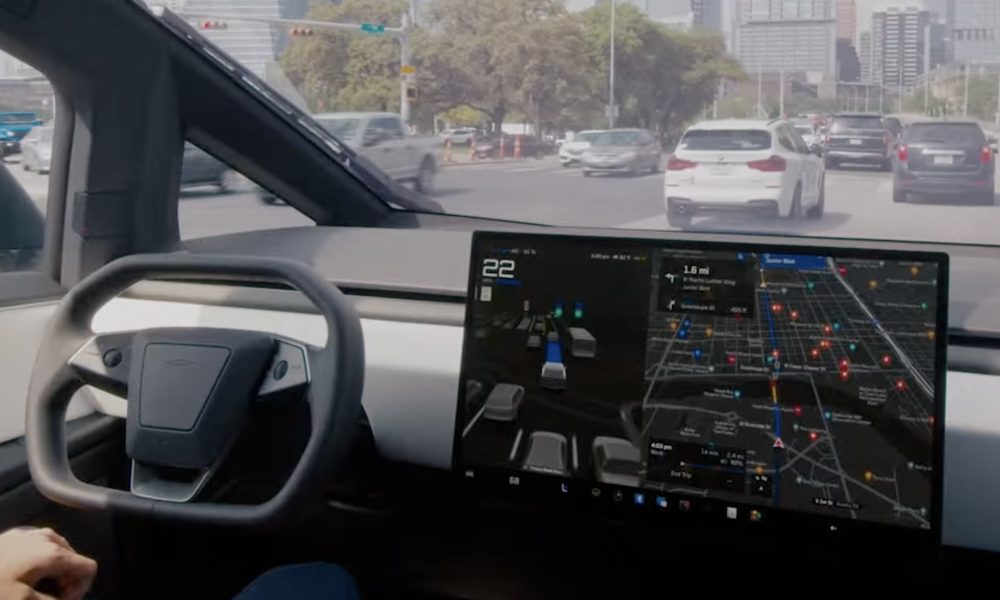
A Tesla owner's social media post has ignited a fervent discussion on the real-world safety potential of advanced driver-assistance systems, following a harrowing medical emergency on a California freeway. The owner credits Tesla's Full Self-Driving (FSD) beta software with taking control of his Cybertruck and navigating it safely to the shoulder after he became incapacitated, an event he believes was life-saving. The viral account, which drew a direct acknowledgment from Elon Musk, provides a powerful, albeit anecdotal, case study in the evolving relationship between human drivers and automated vehicle intelligence.
A Driver's Crisis and the System's Response
According to the detailed post on X, the owner was driving his Cybertruck on a busy freeway when he was suddenly struck by a severe medical episode, rendering him unable to physically operate the vehicle. With traffic moving at high speed, the situation was immediately perilous. He states that he managed to activate the FSD system before losing consciousness. The software then allegedly assumed full driving responsibility, executing a controlled maneuver to change lanes and safely bring the angular electric pickup to a complete stop on the roadside. The owner regained consciousness after the vehicle had stopped, with emergency services already on the way.
Beyond Anecdote: The FSD Safety Debate
This incident arrives amid intense scrutiny of Tesla's Autopilot and FSD systems from regulators and safety advocates. While the National Highway Traffic Safety Administration (NHTSA) investigates numerous crashes involving these technologies, proponents argue that such systems, when used as intended with driver supervision, can provide a critical safety net. The Cybertruck event underscores a potential secondary safety layer: the system's ability to respond in a scenario where the human driver becomes the point of failure. It is a stark contrast to typical investigations, which often focus on system errors. However, experts caution that this single event does not constitute statistical proof of broader safety and reiterate that these are driver-assistance systems, not autonomous vehicles.
The owner's story gained significant traction after Elon Musk quote-tweeted the post, adding implicit validation to the narrative. This public endorsement from the CEO highlights Tesla's ongoing strategy to frame its FSD development not just as a convenience feature, but as a core pillar of vehicle safety. The company collects vast amounts of real-world data from its fleet to train its neural networks, and events like this are used to illustrate the tangible, human benefits of that continuous development cycle. It transforms the conversation from abstract capability to a relatable, personal safety story.
Implications for the Tesla Ecosystem
For Tesla owners and investors, this incident reinforces the long-term value proposition of the company's software-first approach. It suggests that the substantial investment in FSD development could yield safety dividends that extend beyond accident avoidance, potentially managing rare but catastrophic driver-health events. For owners, it is a compelling reminder of the importance of understanding their vehicle's advanced capabilities and limitations. For the market, it underscores that Tesla's true differentiation may increasingly lie in its artificial intelligence and robotics stack, with the vehicle itself serving as the primary platform for its deployment. As regulatory frameworks evolve, narratives demonstrating responsible life-saving potential will be crucial in shaping public and legislative perception of this transformative technology.