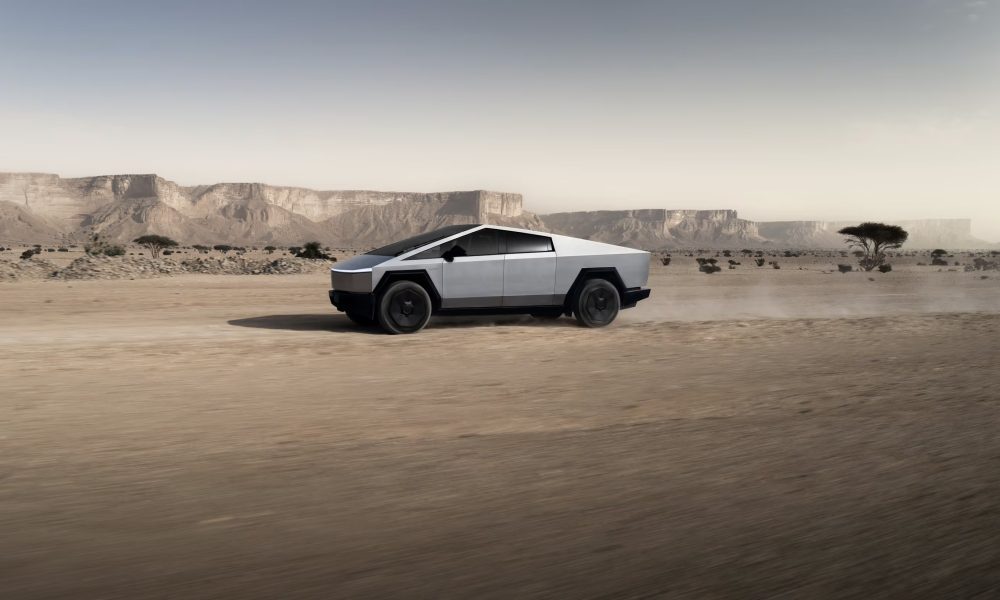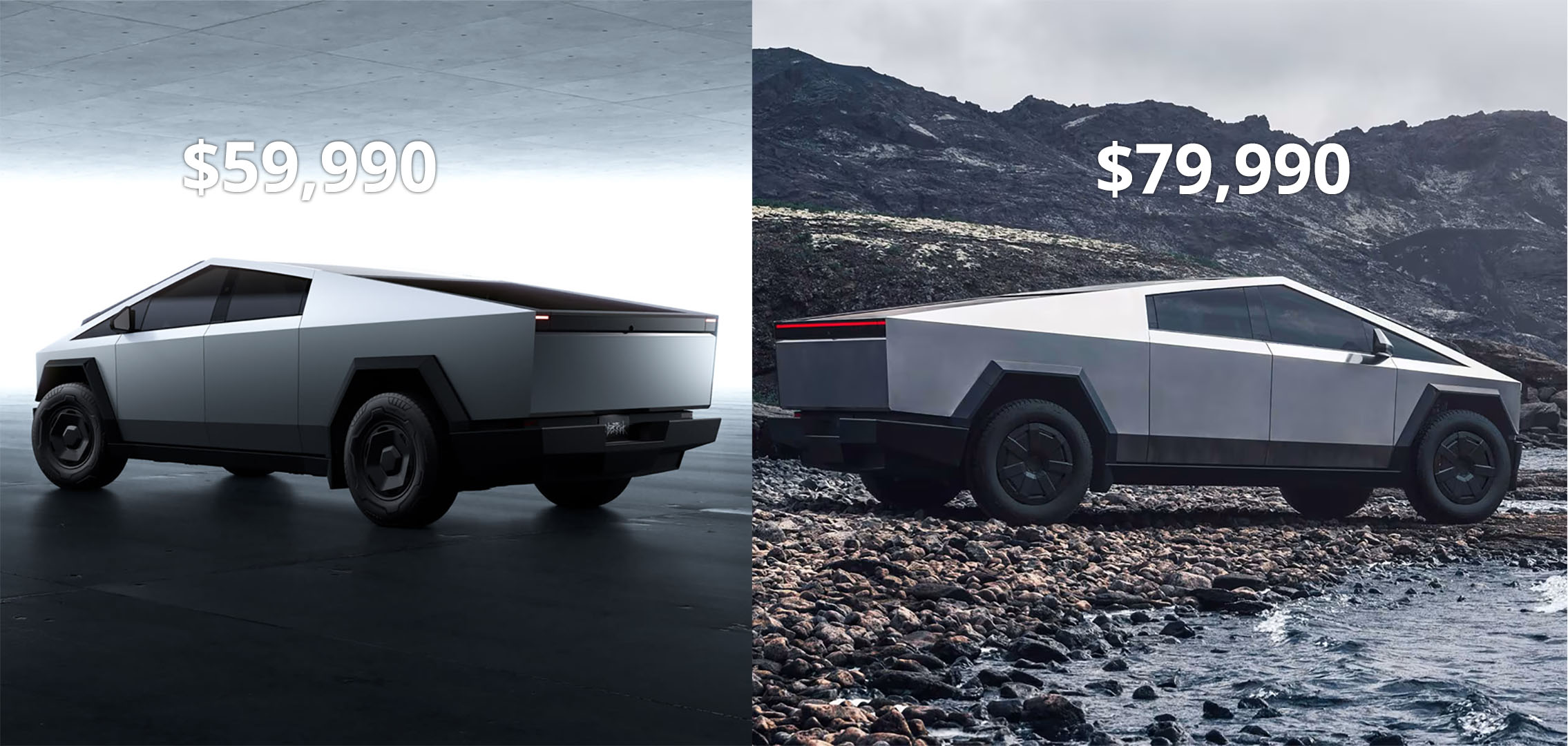
Tesla has fundamentally reshaped the electric pickup landscape with the Cybertruck, and its strategy just became more accessible. The surprise launch of the Cybertruck All-Wheel Drive (AWD) Standard variant at $59,990 introduces a new entry point, creating a clear value proposition against the higher-spec Cybertruck AWD "Premium" (now effectively the former Foundation Series). This move isn't just about price; it's a calculated play to segment the market, forcing potential buyers to weigh raw capability against premium aesthetics and features.
Exterior & Aesthetics: The Stainless Steel Divide
At first glance, both trucks share the same radical, angular exoskeleton. The critical differentiator lies in the finish. The Cybertruck AWD Standard forgoes the Premium's polished, mirror-like stainless steel for a satin-gray brushed finish. This isn't merely a cosmetic choice—it's a cost and maintenance decision. The satin finish is expected to be more forgiving of minor scratches and fingerprints, presenting a more utilitarian, work-ready appearance. The Premium's gleaming exterior, while stunning, demands more care to maintain its showroom shine, positioning it as the lifestyle and statement vehicle.
Interior, Specs & Feature Trade-Offs
The divergence continues inside the cabin. The Standard model features a partial premium interior, which translates to vinyl seats, contrasting with the Premium's upgraded premium textile and synthetic leather upholstery. Both variants retain the core tech experience with the massive 18.5-inch touchscreen. However, Tesla has strategically removed certain features from the base model: it lacks the Premium's powered tonneau cover, the advanced Home Charging Station, and the premium audio system. These omissions are clear cost-saving measures that preserve the driving experience while segmenting convenience and luxury features.
The Performance & Range Proposition
Where Tesla does not compromise is in foundational performance. Both the AWD Standard and Premium share identical powertrains, delivering a 0-60 mph time of 4.1 seconds and a robust 11,000 lbs towing capacity. The key specification difference is range. The Standard variant offers an EPA-estimated 250 miles, a reduction from the Premium's estimated 340 miles. This 90-mile deficit is the most significant practical trade-off, likely achieved through a smaller battery pack, making the Premium the unequivocal choice for those with frequent long-haul or towing needs.
For Tesla owners and investors, this product segmentation is a classic and savvy move. It expands the Cybertruck's addressable market dramatically, applying pressure to competitors like the Ford F-150 Lightning and Rivian R1T by hitting a psychological $60,000 price point. For consumers, the choice is now stark: the Standard offers the radical Cybertruck design and thrilling EV performance at a more accessible price, accepting compromises in range, luxury, and convenience. The Premium remains the full, uncompromised vision. This strategy not only boosts potential volume but also protects the Cybertruck's premium aura, ensuring that for those who want the complete package, Tesla is ready to deliver—for a price.