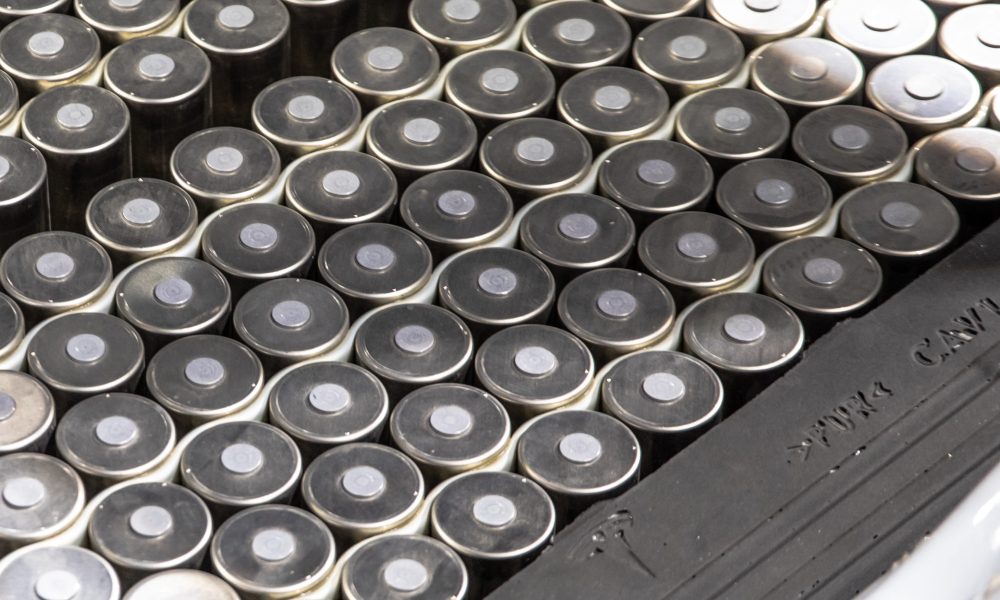
In a pivotal breakthrough for its in-house battery technology, Tesla has confirmed it has successfully resolved the long-standing challenges of the dry cathode electrode process for its 4680 battery cells. This technical milestone, announced via the company's official channels, marks the culmination of years of intensive R&D and represents a critical leap toward unlocking the full potential of its next-generation EV architecture. For Tesla, mastering this complex manufacturing technique is the key to slashing production costs, boosting energy density, and scaling output to meet its ambitious growth targets.
The Dry-Coating Conundrum: A Manufacturing Breakthrough
Tesla's dry cathode process is a revolutionary manufacturing technique that aims to eliminate the traditional, energy-intensive step of coating battery electrode materials using liquid solvents. Instead, it uses a dry powder coating method, akin to a printing press. The core challenge has been scaling this process to achieve the uniformity, adhesion, and speed required for mass production without compromising cell quality or longevity. Tesla's confirmation suggests its engineering teams have finally perfected the mechanical and chemical intricacies, moving from a lab-scale prototype to a viable high-volume production system. This solves what CEO Elon Musk once called one of the most difficult manufacturing problems the company has ever faced.
Implications for Cost, Range, and Production Scale
The successful implementation of the dry process carries profound implications. First, it drastically reduces the factory footprint and energy consumption by removing the massive, slow drying ovens used in conventional wet coating. This translates directly to a significant reduction in production cost per kWh, a primary driver for making EVs more affordable. Second, it allows for thicker, more robust electrodes, which can increase the cell's overall energy density—potentially extending vehicle range. Most critically, it removes a major bottleneck, paving the way for the rapid scaling of 4680 cell output at Gigafactories in Texas, Berlin, and beyond, which is essential for the Cybertruck, Semi, and future high-volume models.
For Tesla investors, this announcement validates a core pillar of the company's vertical integration strategy and long-term margin thesis. Overcoming this hurdle de-risks the timeline for broader 4680 adoption and reinforces Tesla's manufacturing moat. It signals that the company is transitioning from solving fundamental chemistry and engineering problems to optimizing for volume and efficiency, a phase where financial benefits accelerate. The market will now closely watch for tangible metrics: a steep ramp in 4680 production rates and the subsequent impact on automotive gross margins in the coming quarters.
For Tesla owners and future buyers, the downstream benefits are clear. The path is now clearer for more affordable Tesla models, longer-range vehicles, and faster production of in-demand products like the Cybertruck. The 4680 cell, with its structural pack design, also promises improvements in vehicle safety and charging speed. While existing vehicles won't see retroactive upgrades, this breakthrough ensures that the next generation of Tesla EVs will be more capable and cost-effective, solidifying the brand's technological lead in the electric vehicle marketplace for years to come.